Before The Dandelions The Dandelion Myth: What Bees Really Rely On In Early Spring
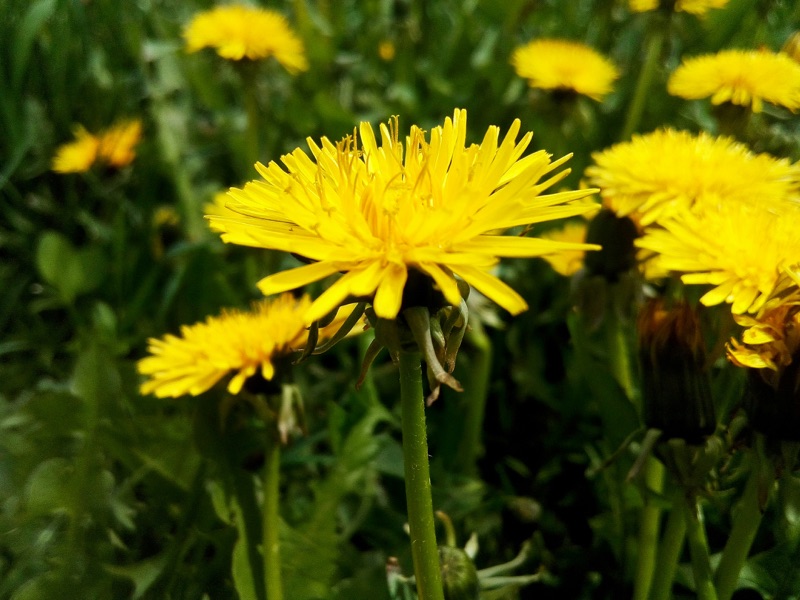
While dandelions are often seen as a key food source for bees, they are not the first blooms pollinators rely on. Many important early spring plants provide critical nectar and pollen before dandelions even appear. Learning to recognize these plants helps us better support bees when they need it most.
Before the bright yellow of dandelions begins to cover lawns and roadsides, spring has already quietly arrived for many pollinators. On the first warm days of the season, bees emerge from their зимний rest (winter dormancy), hungry and in urgent need of energy. At this early stage, survival depends on finding reliable sources of nectar and pollen often in places people don’t yet associate with blooming life.
Dandelions are widely recognized as an important food source for bees, and they certainly do play a role in supporting pollinators as the season progresses. However, they are not the first flowers available. By the time dandelions begin to bloom, many bees have already been active for days or even weeks, relying on early spring plants that are often overlooked, underappreciated, or mistaken for something else entirely.
Understanding what blooms before dandelions helps us see early spring in a new way. It shifts the focus from a single familiar flower to a wider network of plants that quietly support pollinators at a critical time. In this article, we’ll explore what bees truly rely on in early spring, why those first blooms matter so much, and how we can better support pollinators from the very beginning of the season.
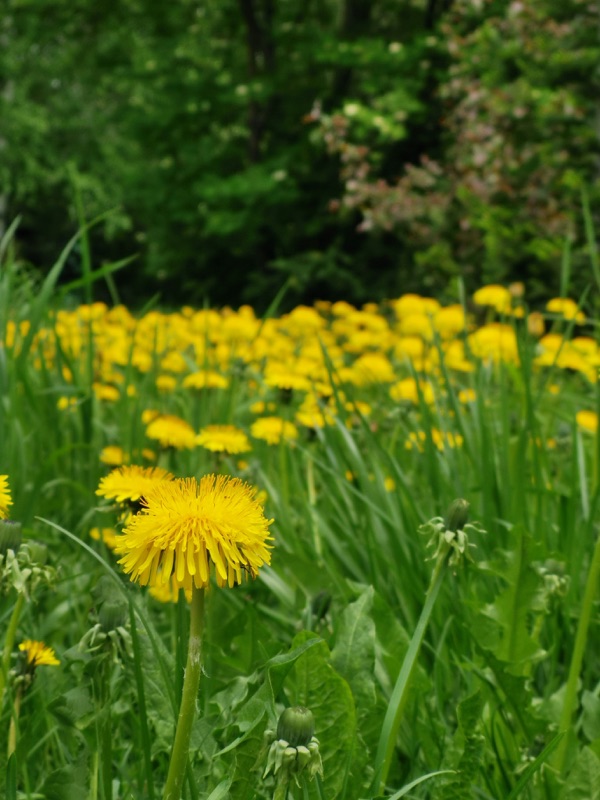
The Big Myth : Dandelions Are The First Food For Bees
Each spring, a familiar message begins to circulate: “Don’t mow your lawn dandelions are the first food for bees.” This idea has spread widely across social media, often shared with good intentions and a desire to help pollinators. While there is some truth in the message, it doesn’t tell the full story.
To truly support bees, it’s important to understand where this idea came from, why it spreads so easily, and what it may be missing.
Where Did This Idea Come From? :
The idea that dandelions are the first food source for bees didn’t appear out of nowhere. It developed gradually, shaped by what people see, what they share, and how information is simplified over time. At first glance, it makes sense but when we look a little closer, we begin to see how this belief formed.
A Connection Based On What We See :
For many people, dandelions are one of the first noticeable signs of spring.
➡️ They appear bright and widespread, covering lawns and roadsides.
➡️ They bloom around the time people begin spending more time outdoors.
➡️ Bees are often seen visiting them frequently.
Because of this, it creates a strong visual connection:
👉 Bees + dandelions = first food source
But what we see isn’t always the full timeline of what’s happening in nature.
The Overlooked Early Spring :
Long before dandelions bloom, early spring is already underway just in quieter, less obvious ways.
➡️ Many early flowers bloom close to the ground or in wooded areas.
➡️ Tree blooms happen high above, often unnoticed.
➡️ These plants don’t create the same bold, colourful display as dandelions
👉 As a result, they are often missed or not recognized as important food sources.
How A Simple Idea Took Hold :
Over time, this observation turned into a widely accepted belief.
➡️ People saw bees on dandelions and assumed they were the first available food.
➡️ The idea was shared, repeated, and simplified
➡️ Eventually, it became a common message:
“Dandelions are the first food for bees.”
While this message comes from a place of care, it unintentionally leaves out an important part of the story.
A Gentle Shift In Understanding :
Dandelions are not the beginning of the story they are part of it.
By understanding how this idea formed, we can begin to look beyond what’s most visible and recognize the earlier, often overlooked plants that support bees when they need it most.
Why This Message Spreads So Quickly :
Each spring, the message about dandelions and bees begins to reappear across social media, often shared thousands of times within just a few days. It’s usually paired with images of bright yellow lawns and bees actively feeding, encouraging people to take simple actions to help. While the intention behind these posts is positive, their widespread reach is part of what allows this idea to grow so quickly and sometimes without the full context.
Simple Messages Travel Faster :
One of the main reasons this idea spreads so widely is because it is easy to understand and even easier to share.
➡️ Messages like “Don’t mow your lawn save the bees” are short, clear, and direct.
➡️ They don’t require background knowledge or explanation.
➡️ They offer a single, immediate action
👉 Simple messages are more likely to be remembered, repeated, and shared.
It Feels Like An Easy Way To Help :
Many people want to support pollinators but aren’t always sure where to start. This message provides a solution that feels both accessible and meaningful.
➡️ It gives people a sense that they are making a difference right away.
➡️ It removes the need for planning, planting, or research.
➡️ It turns a common plant into something important and worth protecting.
👉 Because of this, people are more likely to share it with others.
Strong Visual Reinforcement :
Images play a powerful role in how this idea spreads.
➡️ Bright yellow dandelions are highly visible and recognizable.
➡️ Bees are often seen actively feeding on them.
➡️ Photos and videos create a clear, emotional connection.
👉 These visuals reinforce the message, even if they don’t show what happens earlier in the season.
Good Intentions, Simplified Information :
At its core, this message comes from a place of care. People want to protect bees and raise awareness about pollinator decline.
However, in the process of making the message easy to share:
➡️ Important details are often left out or simplified.
➡️ The focus shifts to one plant instead of many.
➡️ A partial truth becomes a widely accepted belief.
👉 What starts as a helpful message can unintentionally lead to misunderstanding.
A Gentle Reminder 🎀 :
Awareness is a powerful first step but deeper understanding is what creates lasting impact. By looking beyond simple messages, we can begin to support pollinators in ways that reflect the full picture of what they need throughout the season.
Why It Is Not Entirely Accurate :
Awareness is a powerful first step but deeper understanding is what creates lasting impact. By looking beyond simple messages, we can begin to support pollinators in ways that reflect the full picture of what they need throughout the season.
Bees Are Active Earlier Than Many Realize :
For many pollinators, spring begins as soon as temperatures start to rise even if the landscape still appears bare.
➡️ Some bees emerge on the first warm days of late winter or early spring.
➡️ Queen bumblebees begin searching for food very early in the season.
➡️ Solitary bees also become active before many common flowers are visible.
👉 By the time dandelions bloom, many of these bees have already been active and feeding.
The First Food Sources Are Often Overlooked :
The earliest blooms in spring don’t always stand out in the way dandelions do.
➡️ Tree species like willow and maple produce early pollen and nectar.
➡️ Small wildflowers bloom low to the ground or in shaded areas.
➡️ Many of these plants appear before lawns begin to green up.
👉 Because they are less noticeable, they are often not recognized as the true first food sources for bees.
Dandelions Arrive Later In The Timeline :
Dandelions are part of the spring bloom sequence but they are not the starting point.
➡️ They typically bloom after early trees and wildflowers.
➡️ They provide abundant and accessible food once they appear.
➡️ They support bees during an ongoing phase of the season.
👉 Rather than being the first lifeline, dandelions are part of a continuing food supply.
Why This Distinction Matters :
Understanding the timing of these blooms helps shift the focus from one plant to the full range of support bees need.
➡️ Early pollinators rely on what is available immediately upon emergence.
➡️ Missing those early food sources can impact survival and reproduction.
➡️ Supporting bees means thinking about the entire seasonal sequence.
A Gentle Reframing :
Dandelions are helpful but they are not the beginning of the story.
By recognizing the earlier, often overlooked plants that bloom before them, we gain a more complete understanding of how to support pollinators from the very start of spring.
🌿 Top 5 Quick Facts : Dandelions & Early Spring Bees
1️⃣ Dandelions are not the first food source for bees
Many pollinators are already active and feeding before dandelions begin to bloom.
2️⃣ Early spring trees are some of the most important food sources
Willows and maples provide critical pollen and nectar when bees first emerge.
3️⃣ Some bees wake up on the very first warm days of the season
Queen bumblebees and solitary bees don’t wait for visible flowers like dandelions.
4️⃣ The earliest blooms are often easy to miss
Many grow low to the ground or high in trees, making them less noticeable than bright lawn flowers.
5️⃣ Dandelions still play an important role just later in the timeline
They provide abundant food, but as part of an ongoing seasonal supply, not the beginning.
What Actually Blooms Before Dandelions
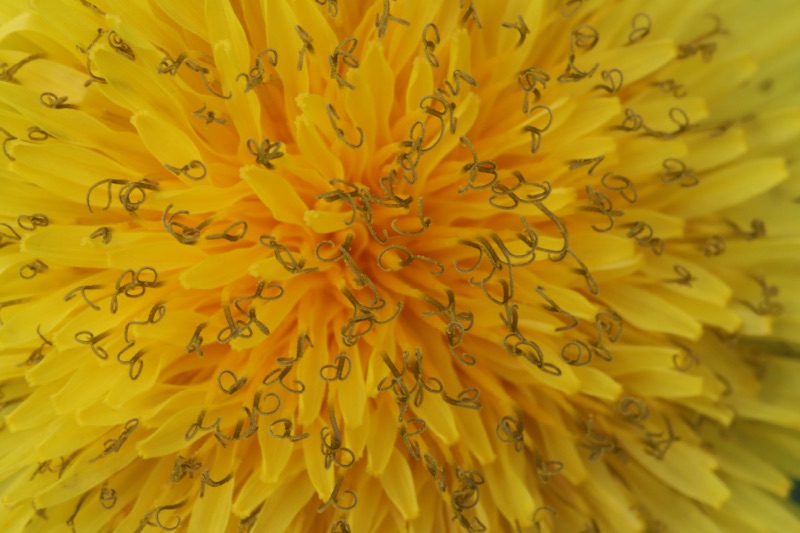
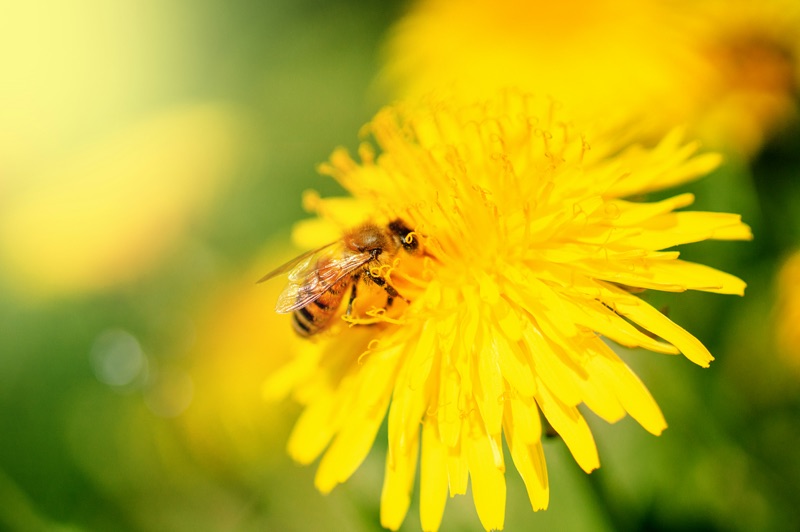
Before dandelions begin to brighten our landscapes, early spring is already alive with quiet, essential blooms. These first flowers and trees may not always be as noticeable, but they play a critical role in supporting pollinators at one of the most vulnerable times of the year.
For many bees, especially those emerging from winter dormancy, these early sources of nectar and pollen are not just helpful they are necessary for survival. From flowering trees to delicate woodland plants, these early blooms form the true foundation of spring feeding.
In this section, we’ll take a closer look at some of the key trees and wildflowers that provide food for bees before dandelions even appear.
Early Spring Trees : The First Lifeline For Bees
Long before many flowers bloom, trees are already providing an abundant and reliable source of pollen and nectar. Because their flowers often appear high above or before leaves fully emerge, they can easily go unnoticed but for bees, they are one of the most important food sources in early spring.
🌸 Eastern Redbud (Cercis canadensis) :
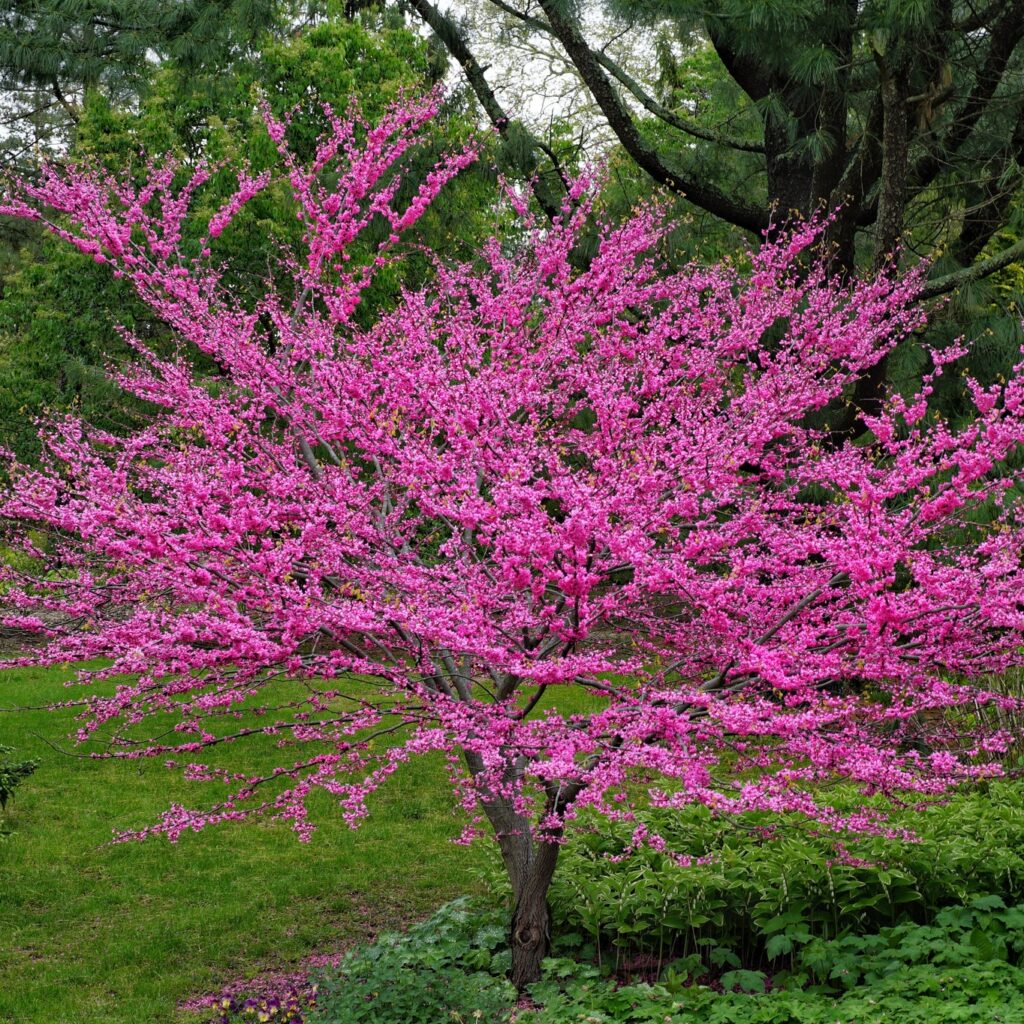
Photo Credits: Buchanan’s Native Plants
One of the earliest blooming trees, eastern redbud produces clusters of small pink to purple flowers along its branches. These blooms are rich in nectar and attract a wide variety of early pollinators, including bees emerging in early spring.
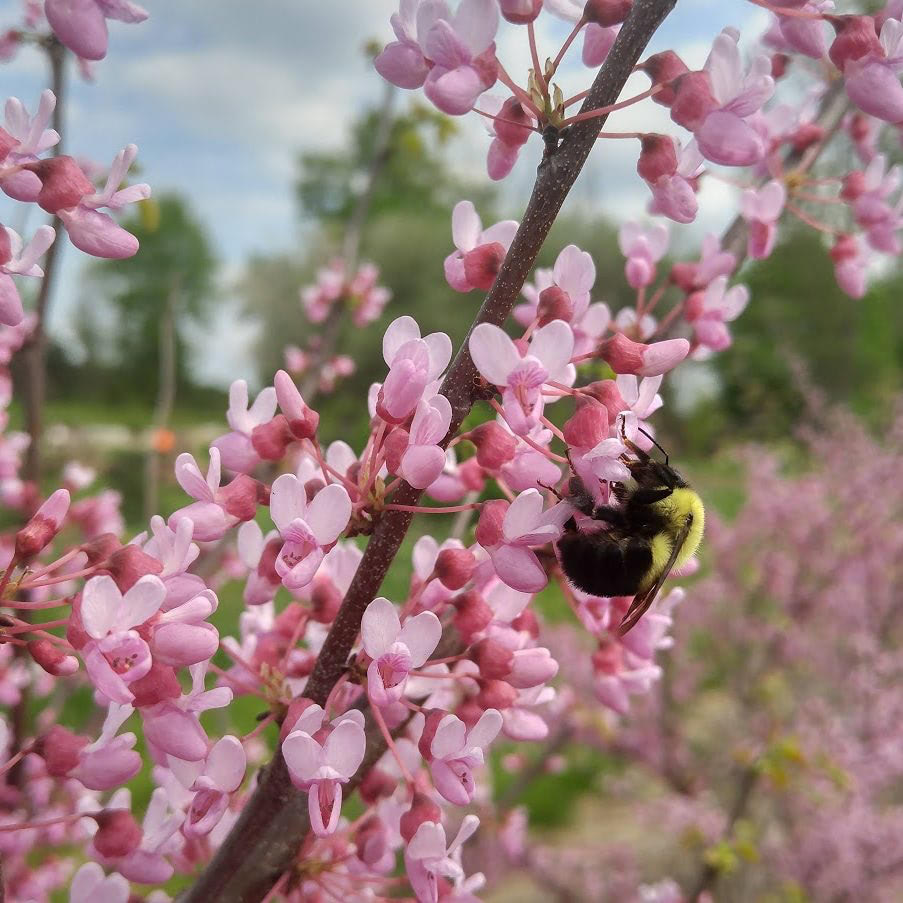
Photo Credits: Ontario Native Plants
🍁 Red Maple (Acer rubrum) :
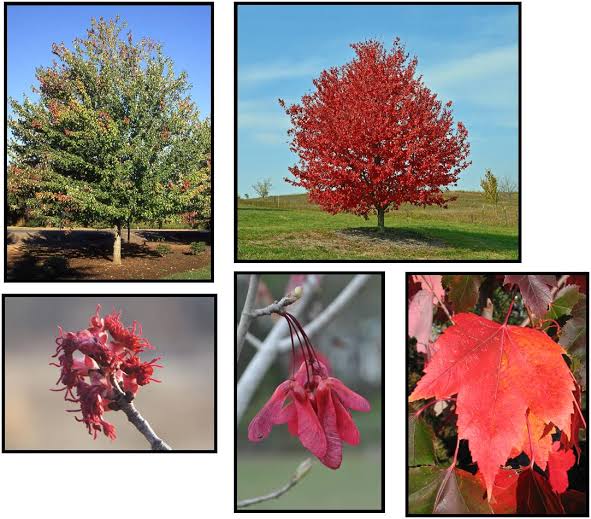
Photo Credits: Hinsdale Nurseries
Red maples bloom very early in the season, often before their leaves appear. Their small red flowers provide both pollen and nectar, making them a vital food source for bees when few other plants are available.
🌺 American Plum (Prunus americana) :
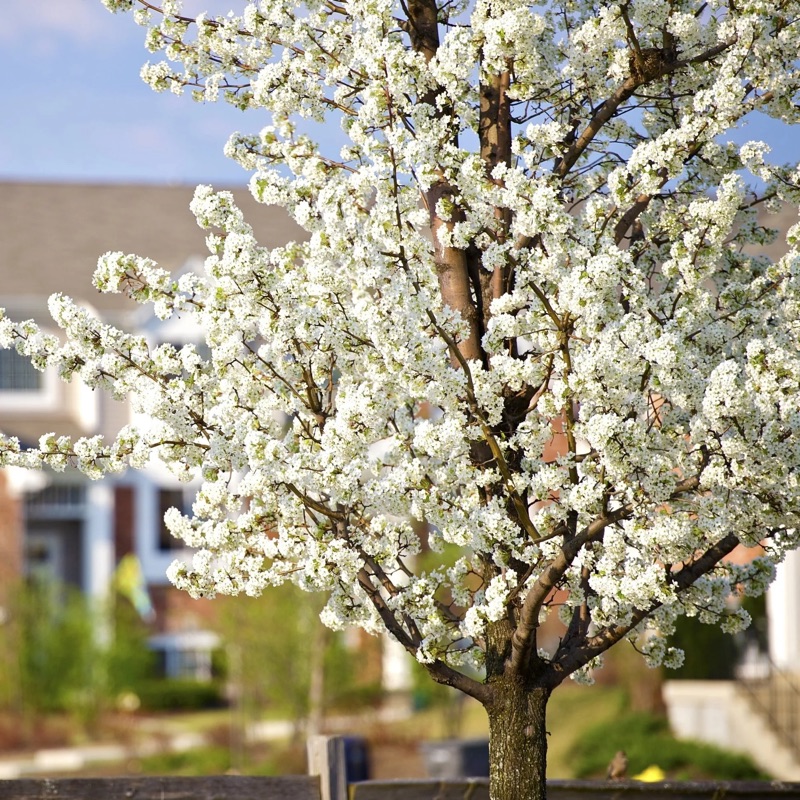
Photo Credits: Barely Rooted
This native tree produces fragrant white blossoms in early spring. Its flowers are highly attractive to pollinators and offer an important early season nectar source.
🌿 Balsam Poplar (Populus balsamifera) :
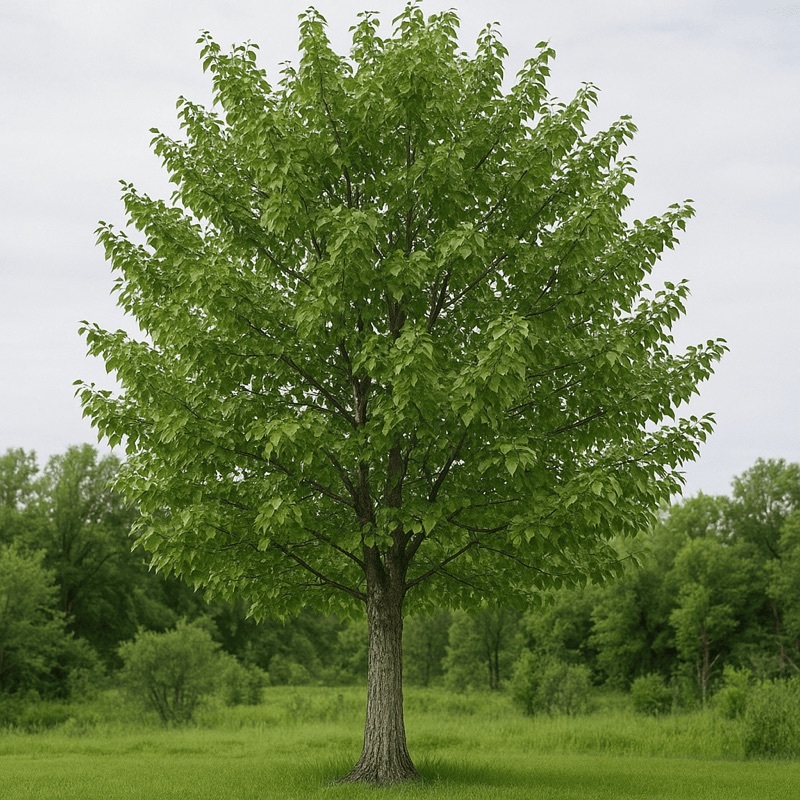
Photo Credits: Ask Ayurveda
Balsam poplar produces resinous buds and early flowers that provide pollen for bees. While less showy than other trees, it plays an important role in supporting early pollinators.
🌷 Tulip Tree (Liriodendron tulipifera) :
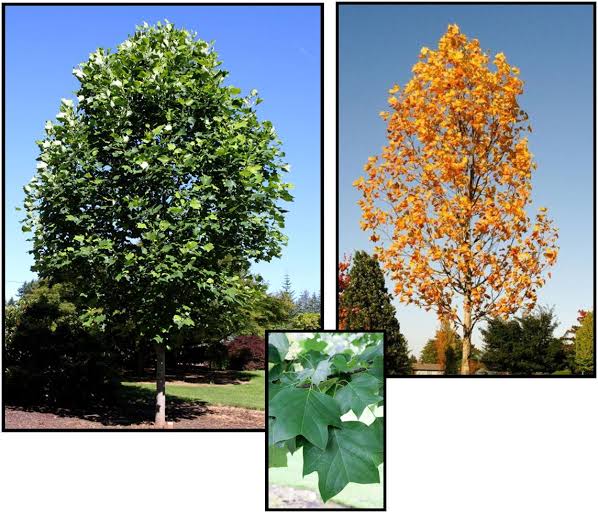
Photo Credits: Hinsdale Nurseries
Known for its large, tulip-shaped flowers, this tree provides nectar to pollinators later in spring compared to some others listed but still before peak bloom periods. It supports a range of pollinating insects, including bees.
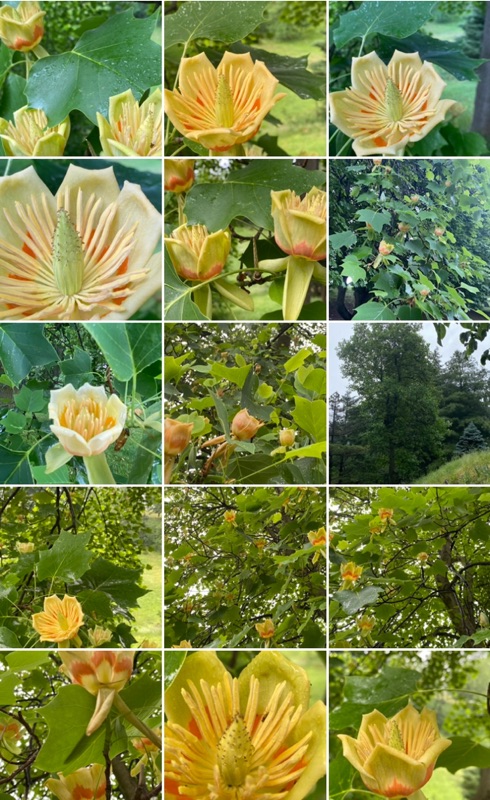
Photo Credits: livinglifewithpassion blog
🌸 Wild Crabapple (Malus coronaria) :
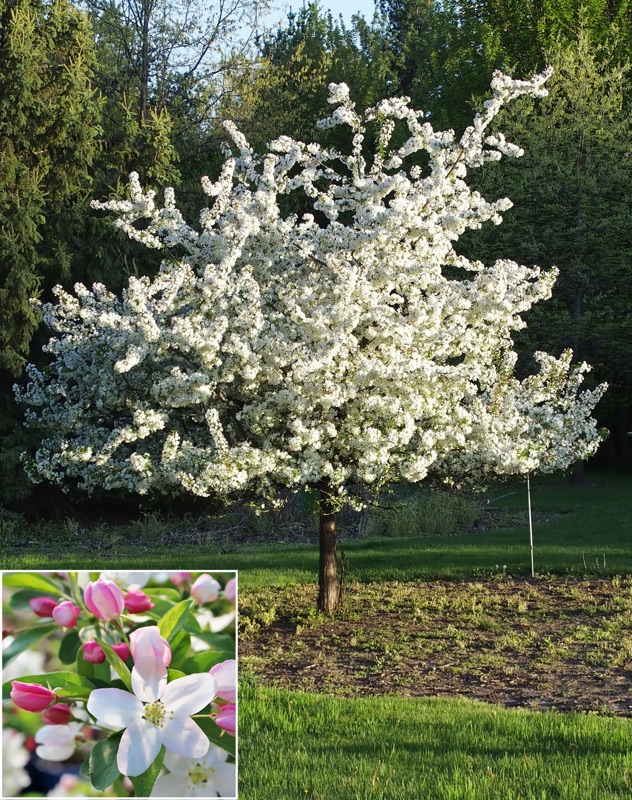
Photo Credits: Affordable Trees
Wild crabapples bloom in early to mid-spring, producing clusters of white to pink flowers. These blossoms are rich in nectar and pollen, making them highly valuable for bees as the season progresses.
🌿 Pussy Willow (Salix discolor) :
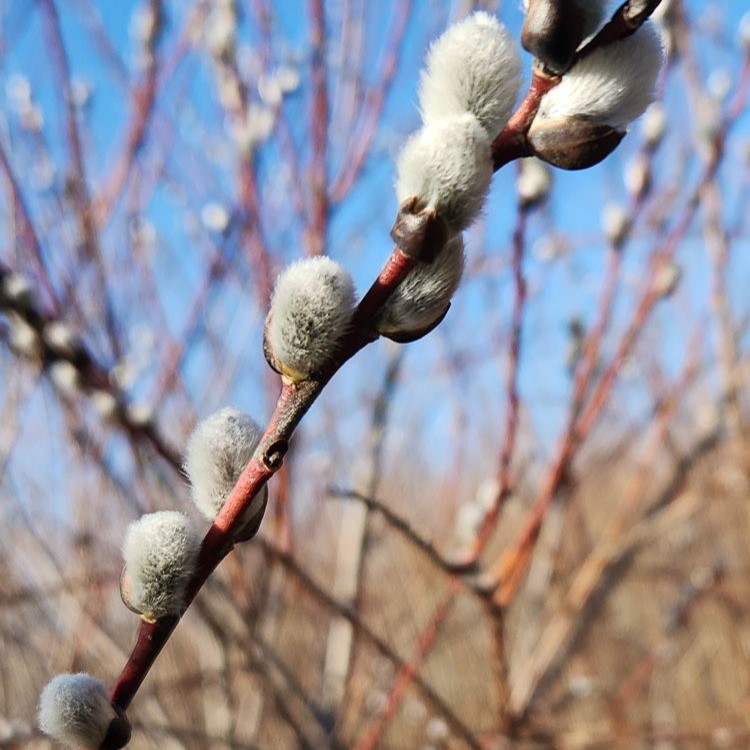
Photo Credits: Ontario Native Plants
Pussy willows are among the most important early spring plants for pollinators. Their soft, fuzzy catkins appear very early and provide abundant pollen and nectar, making them one of the first reliable food sources for bees.
Spring Ephemerals : Early Wildflowers That Bees Rely On
Spring ephemerals are delicate wildflowers that bloom early in the season, often before trees fully leaf out. They take advantage of the sunlight reaching the forest floor in early spring, completing much of their life cycle in a short window of time.
Though easy to overlook, these plants are incredibly important for pollinators, offering critical nectar and pollen when few other flowers are available.
💙 Virginia Bluebells (Mertensia virginica) :
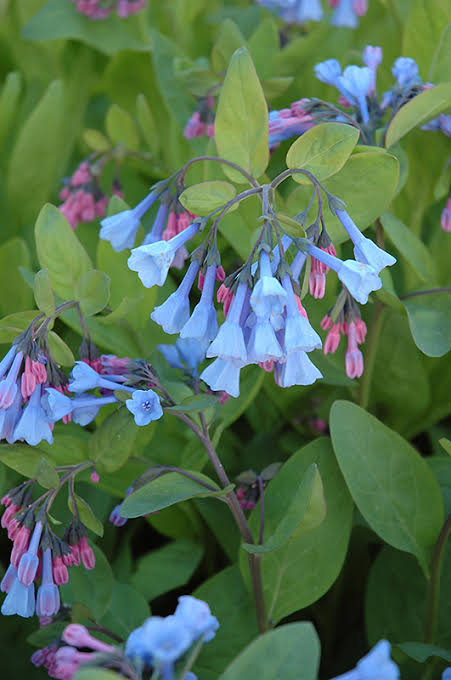
Photo Credits: Longfellow’s Greenhouse
These soft blue, bell-shaped flowers bloom in early spring and are a valuable nectar source for bees. They are especially attractive to early pollinators in woodland habitats.
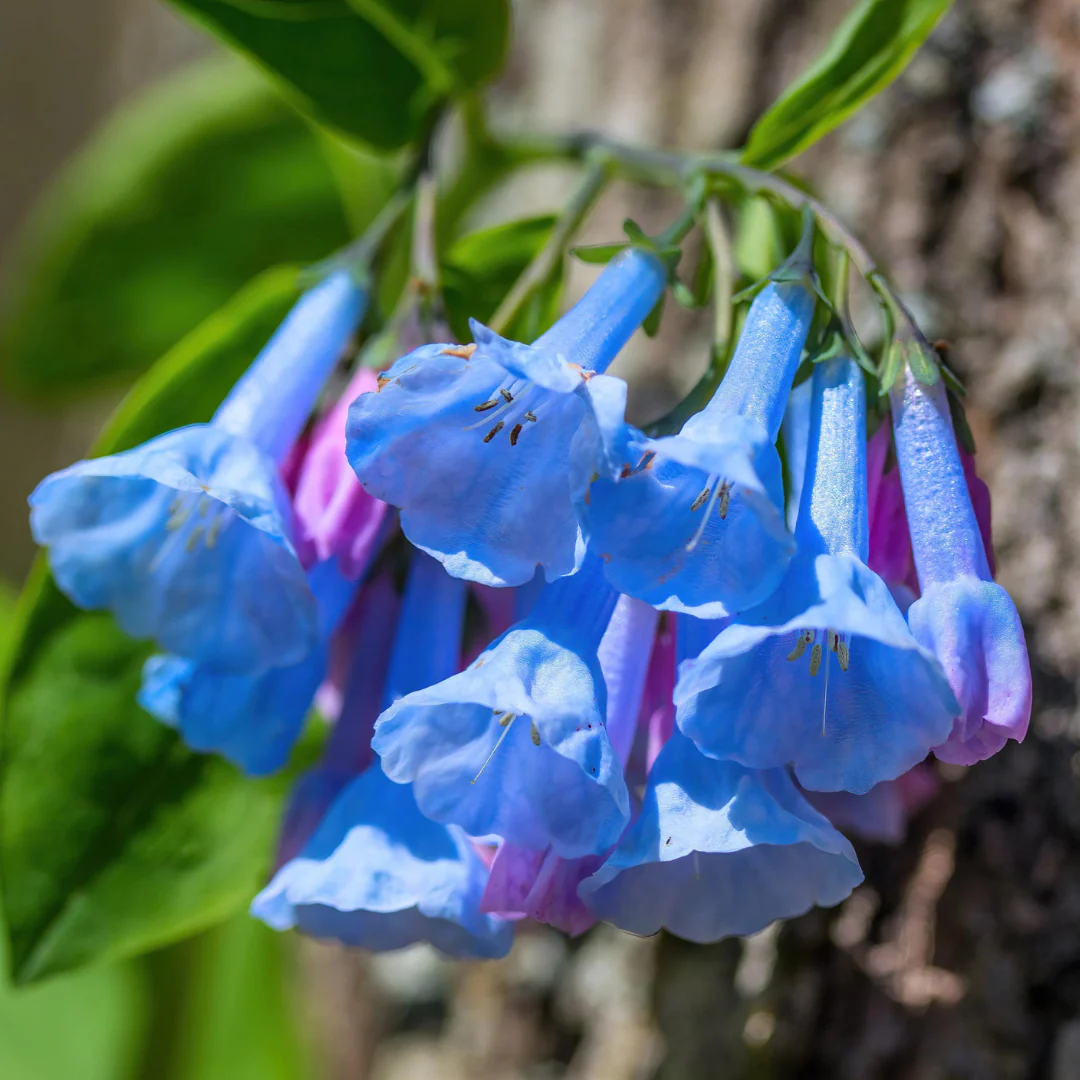
Photo Credits: Black Sheep Perennials
🌼 Trout Lily (Erythronium americanum) :
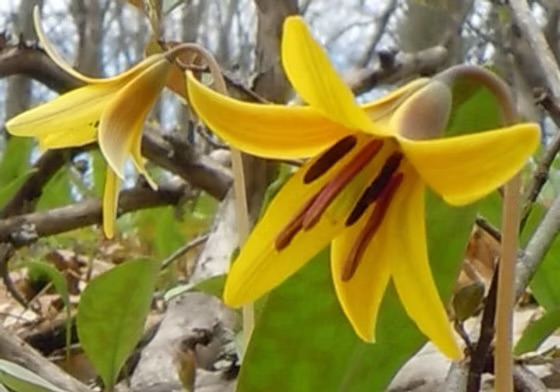
Photo Credits: Lisa Davis from wallflowersandcards.com
Recognizable by its mottled leaves and yellow nodding flowers, trout lily blooms early and provides nectar for bees emerging in spring.
🤍 Bloodroot (Sanguinaria canadensis) :
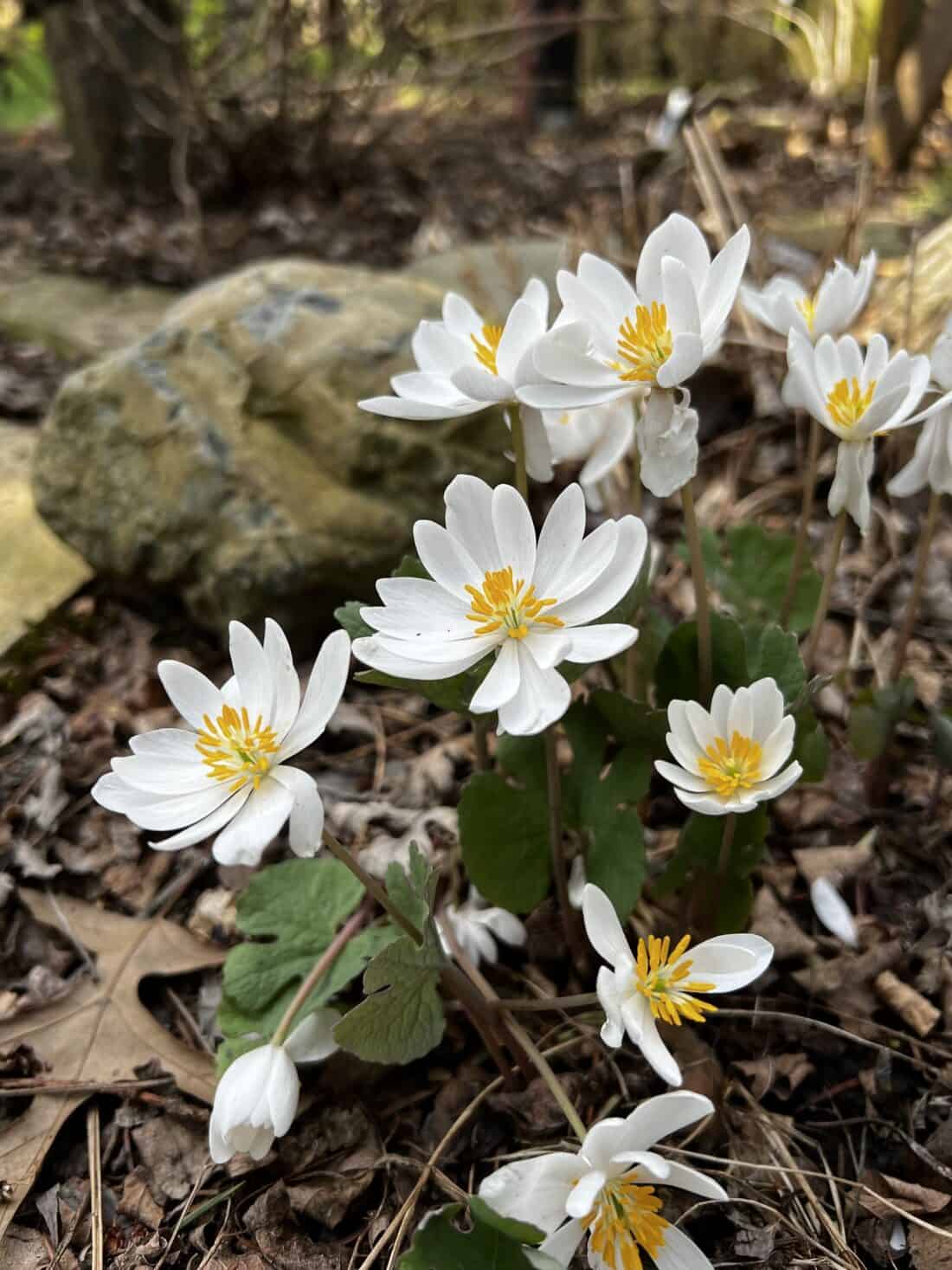
Photo Credits: Ron Frazier
Bloodroot produces delicate white flowers that bloom very early in the season. While it offers limited nectar, it provides important pollen for early bees.
🌸 Spring Beauty (Claytonia virginica) :
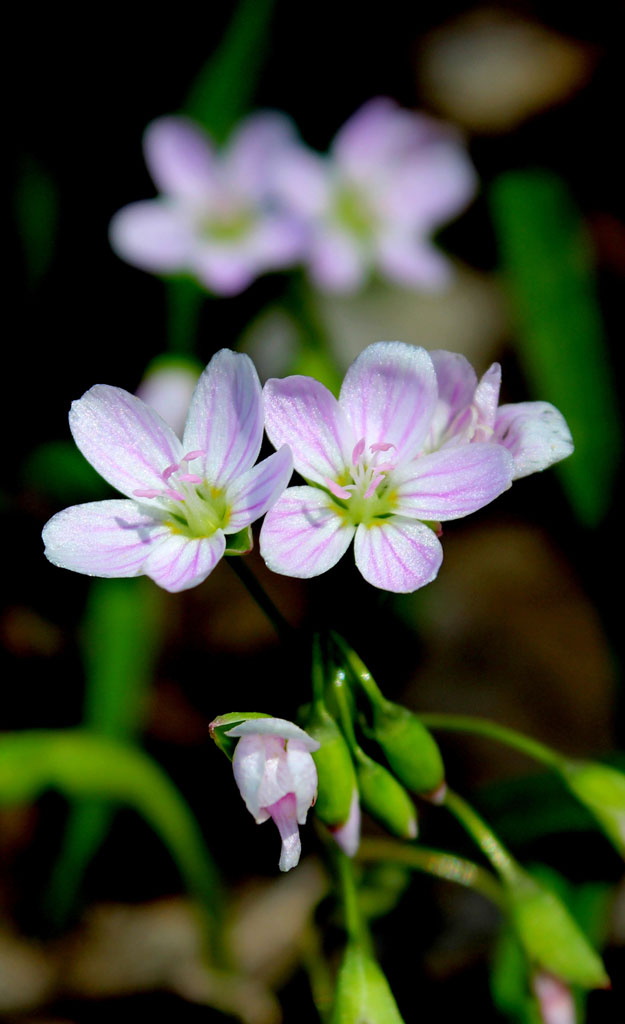
Photo Credits: Prairie Moon Nursery
These small, pale pink flowers bloom in clusters and are an important nectar source for early pollinators, especially native bees.
🤍 Canada Anemone (Claytonia virginica) :
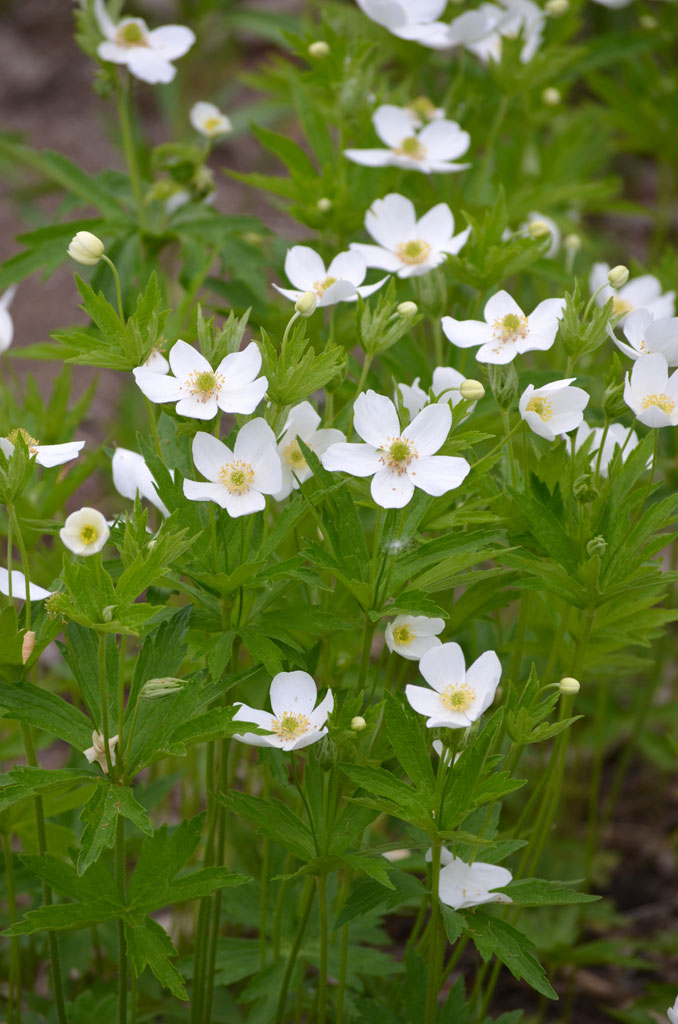
Photo Credits: Prairie Moon Nursery
Blooming in early to mid-spring, this plant produces white flowers that provide pollen for bees and other pollinators as the season begins to build.
Why These Are The First Food Sources For Bees :
The timing of these plants is what makes them so important. They bloom at exactly the moment when bees are emerging and in immediate need of food well before more familiar flowers like dandelions begin to appear.
Perfectly Timed With Bee Activity :
➡️ These plants bloom as soon as temperatures allow pollinators to emerge.
➡️ They provide food during a time when very few other options exist.
Rich In Nectar And Pollen :
➡️ Early blooms offer high-energy nectar for flight and survival.
➡️ Pollen provides essential nutrients for reproduction and development.
They Fill A Critical Seasonal Gap :
➡️ Without these early sources, bees would face a lack of food at a crucial time.
➡️ They act as a bridge between winter dormancy and full spring bloom.
Often Native And Well - Adapted :
➡️ All of these plants that are listed up above are all native to Canada and Ontario.
➡️ They have evolved alongside local pollinators, making them especially valuable.
🌿 Top 5 Quick Facts : Early Spring Food Sources For Bees
1️⃣ Trees are often the first food source not flowers in lawns
Early blooming trees like willow and maple provide critical pollen and nectar before most ground flowers appear.
2️⃣ Many early blooms go unnoticed
Some grow high in trees or low in forest floors, making them easy to miss compared to bright dandelions.
3️⃣ Spring ephemerals have a short but important window
These wildflowers bloom early, providing essential food before disappearing as the season progresses.
4️⃣ Bees depend on these plants immediately after emerging
Early food sources help replenish energy and support reproduction after winter dormancy.
5️⃣ Dandelions are part of the timeline but not the beginning
They support pollinators later, after early trees and wildflowers have already played their role.
These early trees and wildflowers are more than just signs of spring they are a lifeline for pollinators emerging from winter. By the time dandelions begin to bloom, many bees have already relied on these plants to survive and begin their life cycles.
When we begin to notice these early blooms, our understanding of spring starts to change. What once seemed like the beginning becomes just one part of a much larger story. Supporting pollinators starts earlier than many realize and it begins with the plants that quietly bloom before most people are even looking.
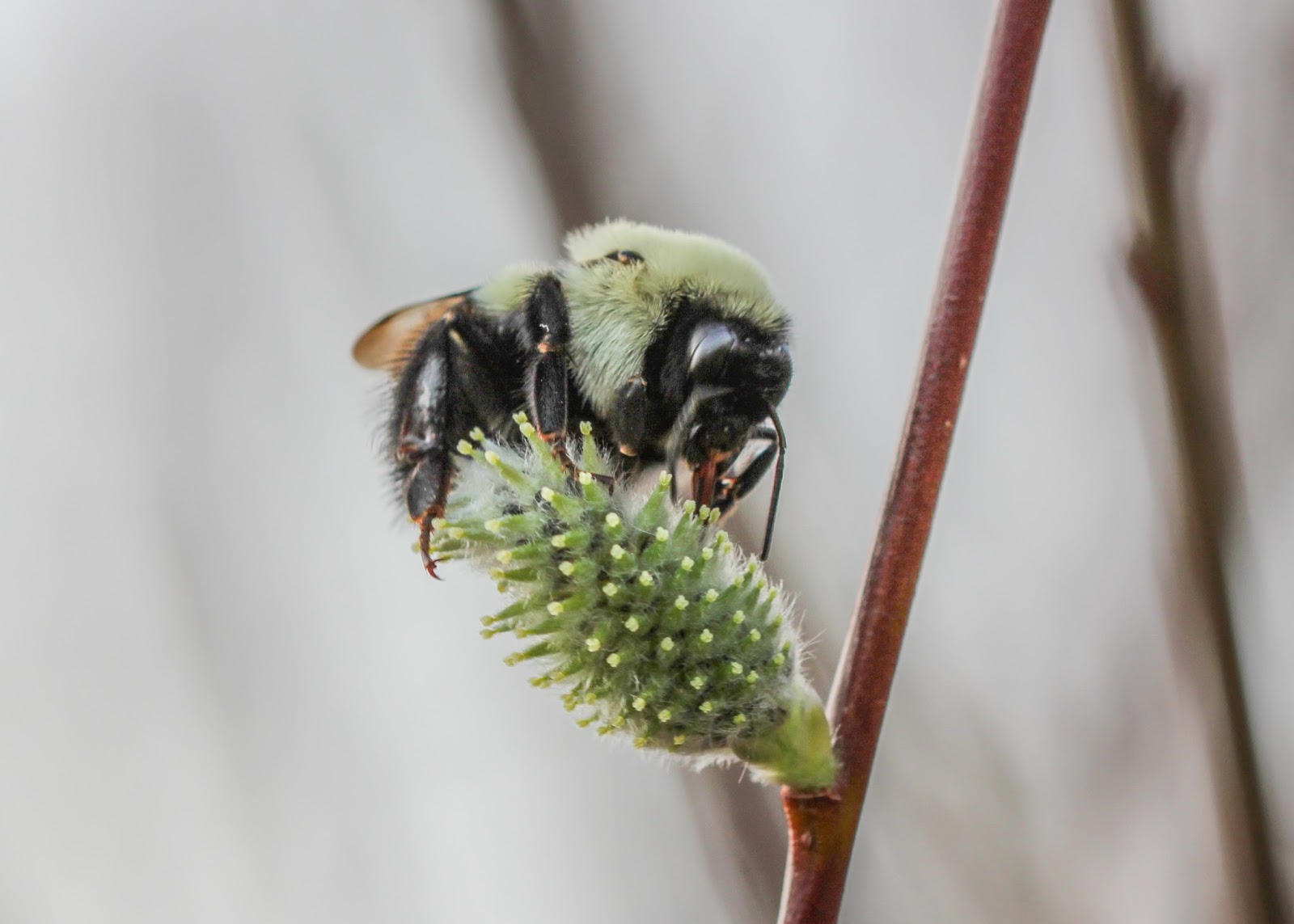
Photo Credits: Red House Garden Blog
Why Trees Are More Important Than People Realize
When people think about supporting bees, flowers are often the first thing that come to mind. Bright blooms, colourful gardens, and familiar plants like dandelions tend to take the spotlight. But in early spring, some of the most important food sources for pollinators aren’t found in garden beds or lawns they’re found high above, in the branches of trees.
Many trees begin producing pollen and nectar before most flowers have even started to bloom. Because their flowers can be small, subtle, or out of reach, they are often overlooked. Yet for bees emerging from winter, these trees provide an essential and often abundant source of nutrition at a critical time.
In this section, we’ll take a closer look at why trees play such an important role in early spring, the difference between pollen and nectar, and how different types of trees support pollinators in unique ways.
Pollen Vs. Nectar : Why Both Matters
To understand why trees are so important for bees, it helps to first understand what bees are actually collecting and why both pollen and nectar are essential.
Nectar : Energy For Survival
➡️ Nectar is a sugary liquid that provides quick energy.
➡️ Bees use it to fuel flight and daily activity.
➡️ It is especially important right after emerging from winter.
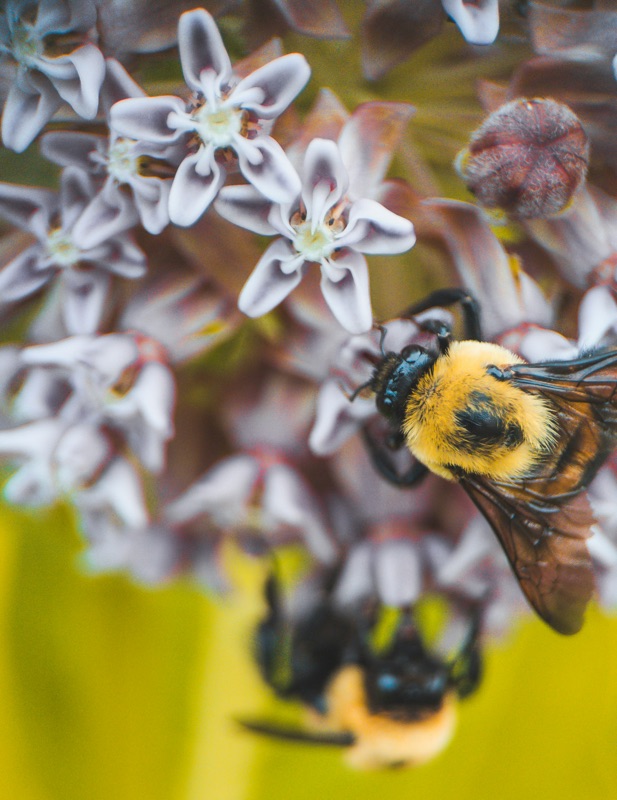
Bumble Bees drinking nectar from Milkweed Flowers.
Pollen : Nutritional For Growth
➡️ Pollen is rich in protein and nutrients
➡️ It is used to feed developing larvae
➡️ It supports reproduction and colony development.
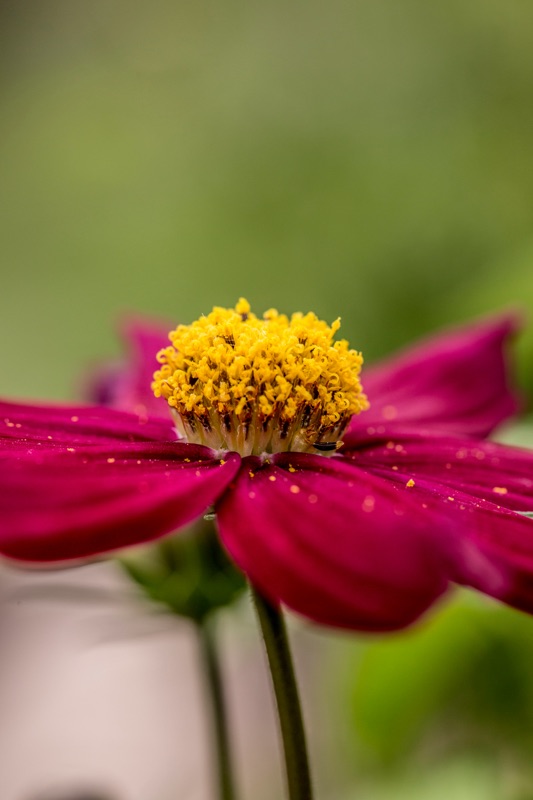
Little specks of pollen grains on the petals of a pink Cosmo flower.
👉 Both are essential but pollen is especially critical in early spring when bees are beginning their life cycles.
Wind Pollinated Vs. Insect Pollinated Trees
Not all trees support pollinators in the same way. Some rely on the wind to move pollen, while others depend on insects like bees. Understanding this difference helps explain why certain trees are more valuable to pollinators than others.
🌬️ Wind Pollinated Trees :
➡️ Produce large amounts of lightweight pollen.
➡️ Do not rely on insects for pollination
➡️ Often have less nectar or attract fewer pollinators.
👉 Examples: many maples (partially), oaks, and birches.
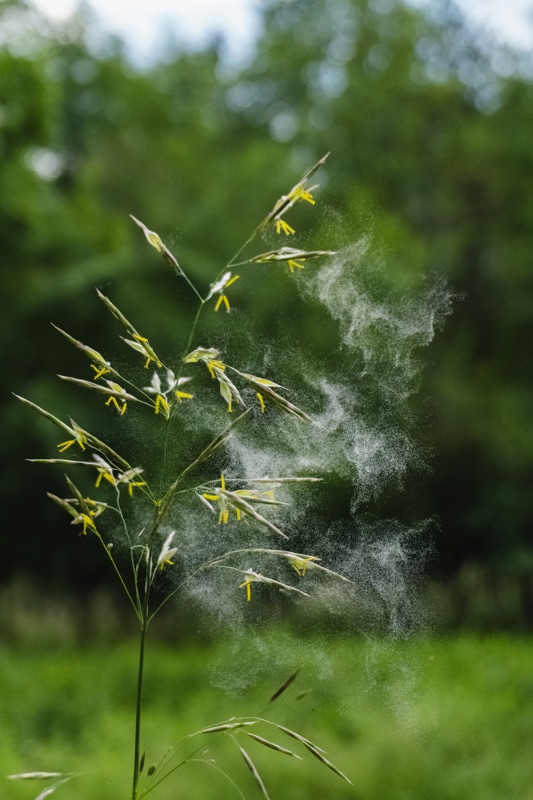
A plant is getting pollinated by wind (even though this is a plant getting wind pollinated, it still shows how wind is a pollinator).
🐝 🦋 Insect Pollinated Trees :
➡️ Produce nectar and/or pollen designed to attract pollinators.
➡️ Often bloom early to align with bee activity.
➡️ Provide high-value food sources
👉 Examples: willows, fruit trees (like plum and crabapple), and redbud.
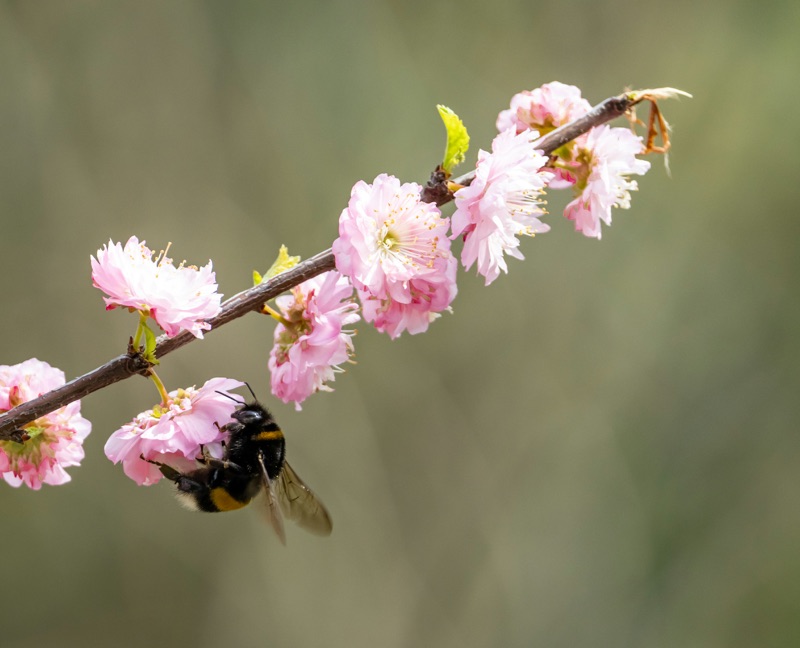
A Bumble Bee pollinating blossoms on a tree branch.
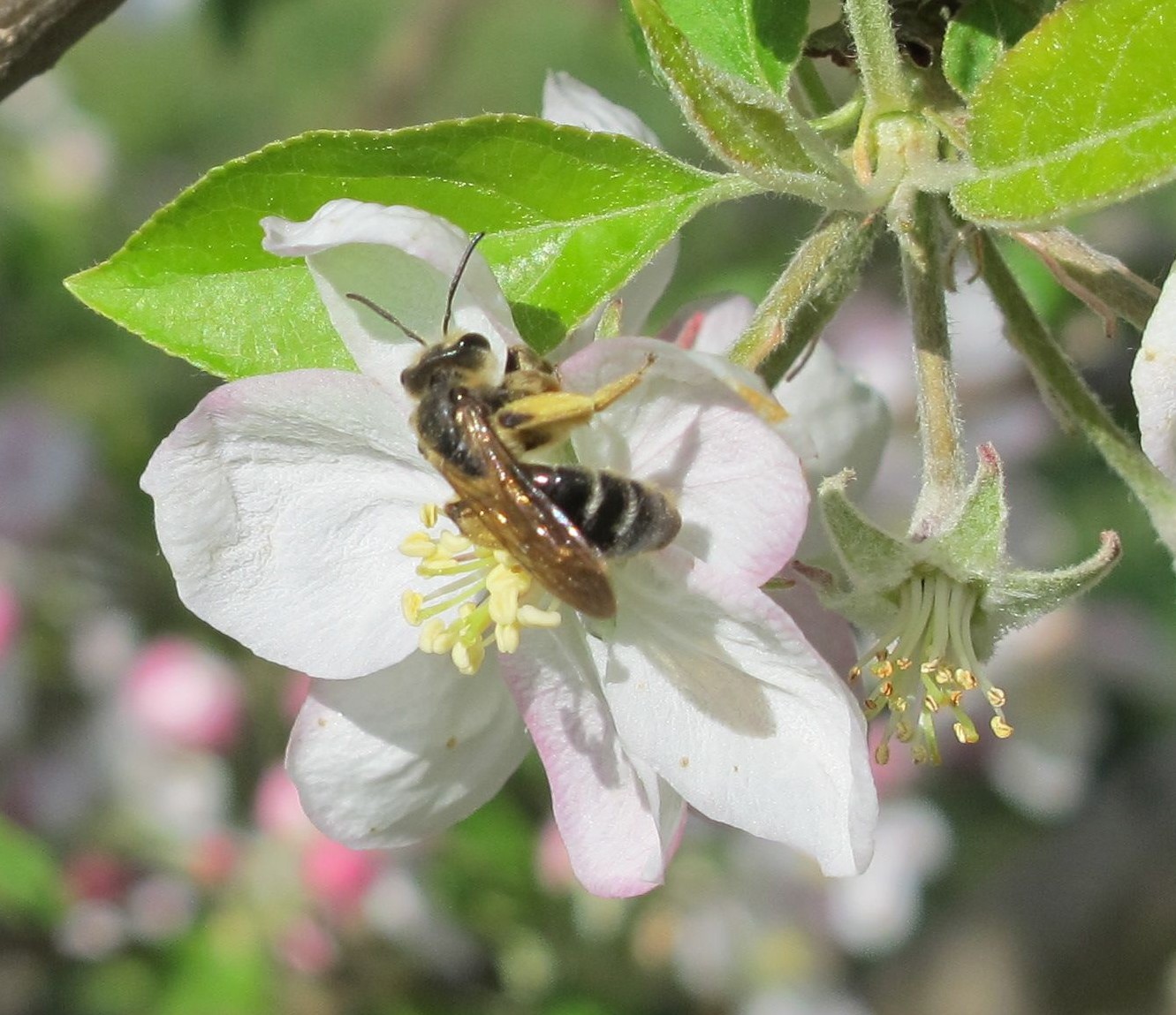
A Sweat Bee with pollen on its legs drinking nectar and collecting pollen from a Crabapple Blossom. Photo Credits: Bees of Georgia
Why This Matters :
Even some wind-pollinated trees can still provide usable pollen, but insect-pollinated trees are often the most beneficial for bees in early spring.
Why Bees Rely Heavily On Tree Pollen In Early Spring
In early spring, timing is everything. Bees are emerging with limited energy reserves and need immediate access to food. Trees play a key role in meeting this need often before other plants are ready.
Abundant and Reliable Food Sources :
➡️ Trees can produce large quantities of pollen at once.
➡️ This makes them a dependable food source when options are limited.
Blooming at the Right Time :
➡️ Many trees flower before or just as bees emerge.
➡️ They fill the gap between winter dormancy and later blooms.
Easier Foraging Opportunities :
➡️ A single tree can support many bees at once.
➡️ Bees can gather large amounts of pollen without traveling far.
Critical for Early Life Cycles :
➡️ Early pollen supports egg production and larval development.
➡️ It helps establish healthy bee populations for the season.
Quick Comparison 🔎
💐 Flowers (like dandelions) :
🔘 Important later in spring
🔘 Provide nectar and pollen
🔘 More visible and widely recognized
🌳 Trees :
🔘 Often bloom earlier
🔘 Provide large amounts of pollen quickly
🔘 Essential for early-season survival
🌿 Top 5 Quick Facts: Why Trees Matter For Bees
1️⃣ Trees are one of the first food sources available in spring
Many begin producing pollen and nectar before most flowers have bloomed.
2️⃣ Pollen is essential for bee reproduction not just survival
It provides the protein needed to support larvae and new generations.
3️⃣ Some trees produce massive amounts of pollen at once
This makes them a reliable and efficient food source for early pollinators.
4️⃣ Insect-pollinated trees are especially valuable for bees
Species like willow, redbud, and fruit trees provide both nectar and pollen.
5️⃣ Bees rely heavily on trees before flowers like dandelions appear
Without these early sources, pollinators would struggle at the start of the season.
While flowers often take center stage in conversations about pollinators, trees quietly provide some of the most important support in early spring. Their early blooms offer the pollen and nectar bees need at a time when few other sources are available.
By recognizing the role trees play, we begin to see that supporting pollinators goes beyond planting flowers it includes protecting and valuing the trees that sustain them at the very start of the season.
When Dandelions Actually Bloom (Timing Matters)
Dandelions are often seen as one of the first signs of spring, appearing just as the landscape begins to green up. Their bright yellow flowers are easy to spot and often arrive in large numbers, making them feel like the starting point of the season. But when we look more closely at the timing of their blooms, a different picture begins to emerge.
In many parts of Ontario and across Canada, spring doesn’t begin all at once it unfolds gradually. Bees, trees, and early wildflowers often begin their seasonal activity before dandelions even appear. Understanding this timing helps us see why dandelions, while still valuable, are not the first food source pollinators rely on.
Bloom Timing In Ontario & Canada
The timing of plant blooms can vary depending on location, temperature, and seasonal conditions. However, there are general patterns that help us understand when dandelions typically appear in relation to other early spring plants.
General Bloom Timing :
🔘 In many parts of Ontario, dandelions begin to bloom in mid to late spring.
🔘 This often occurs after early trees and spring ephemerals have already flowered.
🔘 Their bloom period can last for several weeks, depending on conditions.
What Blooms Before Them :
🔘 Trees like willow and maple often bloom in early spring.
🔘 Spring ephemerals emerge as soon as the ground begins to warm.
🔘 These earlier plants provide food before lawns begin to show colour.
👉 While dandelions feel like an early bloom, they are often part of the next phase of spring, not the beginning.
Bees Are Already Active Before Dandelions Appear
One of the most important pieces of this timeline is the activity of bees themselves. Many pollinators don’t wait for the most visible flowers, they emerge as soon as conditions allow.
Early Bee Activity :
🔘 Some bees emerge on the first warm days of the season.
🔘 Queen bumblebees begin searching for food very early in spring.
🔘 Solitary bees also become active before many common blooms appear.
What This Means :
🔘 Bees need food immediately upon emergence.
🔘 They rely on early blooming trees and wildflowers, not dandelions.
🔘 By the time dandelions bloom, many bees have already been feeding for days or weeks.
👉 This timing is key! Pollinators depend on what is available first, not what is most visible.
Why Timing Shifts From Year To Year
Spring doesn’t follow an exact schedule. The timing of blooms and pollinator activity can shift depending on weather patterns, temperatures, and regional differences.
Weather Plays A Major Role :
🔘 Warm early temperatures can cause plants and bees to emerge sooner.
🔘 Late frosts or colder conditions can delay blooming.
🔘 Rapid temperature changes can affect synchronization between plants and pollinators.
Regional Differences Across Canada :
🔘 Southern regions often experience earlier blooms.
🔘 Northern areas may see delayed or shorter blooming periods.
🔘 Local microclimates can influence when plants appear.
Why This Matters To Bees :
🔘 If bees emerge before enough plants are blooming, food can be limited,
🔘 Consistent early bloomers (like trees) help provide reliable support despite changing conditions.
👉 This natural variation makes early, reliable food sources even more important.
🌿 Top 5 Quick Facts: Dandelions Bloom Timing
1️⃣ Dandelions usually bloom in mid to late spring in Ontario
They appear after many early trees and wildflowers have already flowered.
2️⃣ Bees are active before dandelions appear
Many pollinators emerge on the first warm days and begin searching for food right away.
3️⃣ Early trees and wildflowers fill the first food gap
Plants like willow, maple, and spring ephemerals provide food before dandelions bloom.
4️⃣ Bloom timing changes depending on weather
Warm temperatures can speed things up, while cold snaps can delay both plants and pollinators.
5️⃣ Timing not just the plant determines importance
The first available food sources are the most critical for early bee survival.
Timing is one of the most important and often overlooked parts of understanding how to support pollinators. While dandelions are a valuable part of the spring landscape, they arrive after the earliest and most critical feeding period has already begun.
By paying attention to when different plants bloom and when bees become active, we gain a clearer picture of what pollinators truly need and when they need it most.
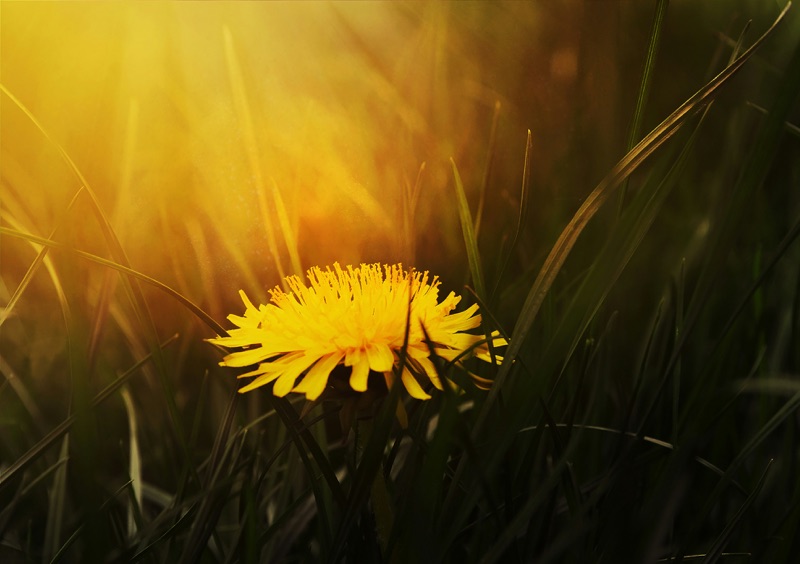
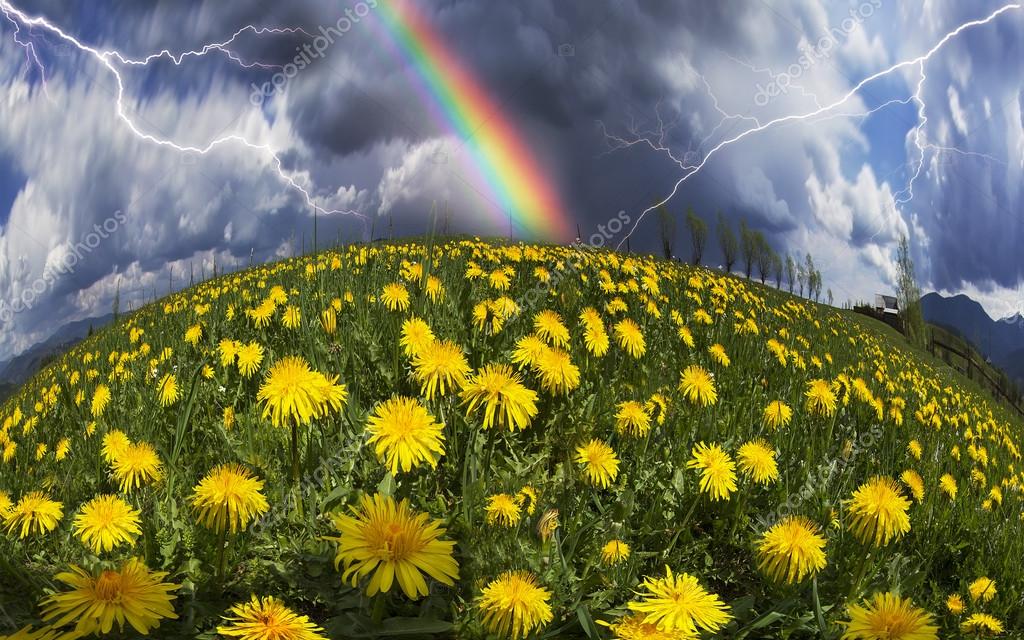
Photo Credits: DepositPhotos
Are Dandelions Helpful To Bees At All?
After learning that dandelions are not the first food source for bees in spring, it’s natural to wonder, do they still help at all? The answer is yes, but the role they play is often misunderstood.
Dandelions can provide nectar and pollen for pollinators, especially once they begin to bloom in mid to late spring. However, their importance is more limited than many people believe, and they do not replace the need for a diverse range of native plants that support pollinators throughout the season.
In this section, we’ll take a closer look at how dandelions fit into the bigger picture who uses them, what they provide, and how they compare to native plants that bees have evolved alongside.
Helpful But In A Limited Way
Dandelions are often described as essential for bees, but their role is more supportive than foundational. They can be useful, but they are not a complete solution for pollinators.
What Dandelions Provide :
1️⃣ Nectar for energy and daily activity
2️⃣ Pollen that can be collected by some bees.
3️⃣ A widespread and easily accessible food source.
Where Their Limitations Begin :
🔘 They bloom after the earliest critical feeding period.
🔘 They are not native to Canada
🔘 They do not support the full life cycle of many pollinators.
👉 Dandelions can help but they cannot replace the diverse, native plants bees truly depend on.
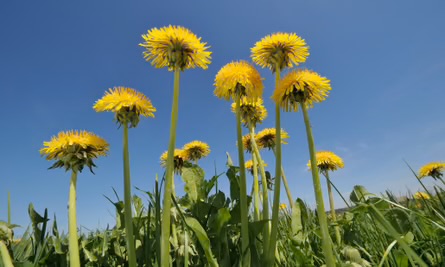
Photo Credits: Martin Ruegner/Getty Images
Which Pollinators Use Dandelions?
Not all pollinators use plants in the same way. Some are highly adaptable, while others rely on very specific plants to survive. Understanding this difference helps explain who actually benefits from dandelions.
Generalist Pollinators
Generalist pollinators can feed from a wide variety of flowers and are more flexible in the plants they use.
Examples Include :
🔘 Bumble Bees
🔘 Honey Bees
🔘 Many common sweat bees
🔘 Some mining bees
👉 These pollinators are more likely to visit dandelions when they are in bloom, using them as one of many available food sources.
Specialist Pollinators
Specialist pollinators rely on certain native plants or plant groups for pollen, nectar, or both. Some are closely tied to the timing and availability of specific blooms in spring.
Examples Include :
🔘 Spring Beauty Miner Bee (Andrena erigeniae) - strongly associated with the spring beauty flower.
🔘 Trout Lily Mining Bee (Andrena erythronii) - This bee is linked to the trout lily flowers. It relies almost exclusively on the pollen of trout lily flowers for their young.
🔘 Willow Specialist Bees - Such as some mining bees in the genus Andrena that rely heavily on willow pollen.
🔘 Squash Bees - Are another well-known example of specialist bees, though they appear later in the season and depend on squash and pumpkin flowers.
👉 These pollinators cannot rely on dandelions in the same way that generalists can. If their native host or preferred plants are missing, dandelions do not make up for that loss.
Why This Matters :
When people focus only on dandelions, they are often thinking about pollinators that can use many different flowers. But some of the most vulnerable bees need specific native plants to survive.
This means that while dandelions may help certain generalist pollinators, they do not provide the same level of support for specialist bees that depend on native spring blooms.
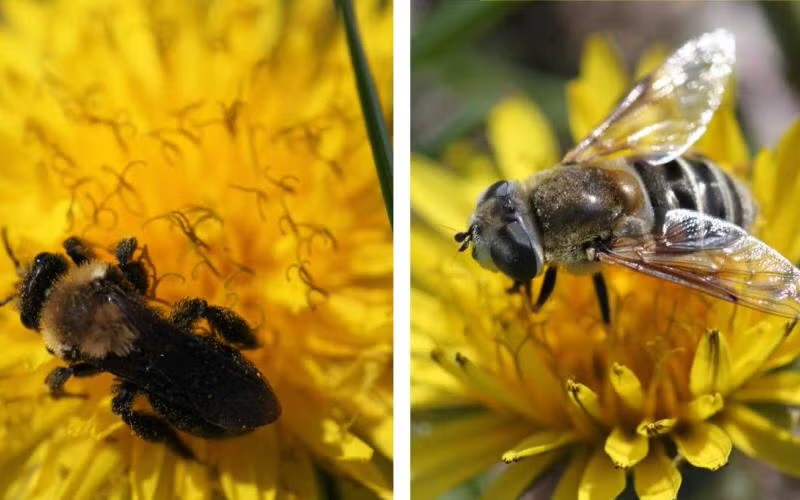
Photo Credits: Adam Varenhorst
Nutritional Value Compared To Native Plants
Not all pollen and nectar provide the same level of nutrition. While many plants can offer food for bees, the quality, balance, and suitability of that food can vary greatly. This is especially important when we consider the difference between generalist and specialist pollinators.
Dandelions As A Food Source :
Dandelions do provide both nectar and pollen, and they are readily used by some pollinators.
🔘 Offer accessible nectar for quick energy
🔘 Provide pollen that some bees can collect.
🔘 Are widely available and easy to find
👉 For generalist pollinators, dandelions can act as a supplemental food source within a larger, varied diet.
Why Native Plants Provide Better Support :
Native plants have developed alongside local pollinators over thousands of years, creating a close ecological relationship.
1️⃣ Their pollen is often better suited to the nutritional needs of native bees.
2️⃣ They provide the right balance of proteins, lipids, and nutrients.
3️⃣ Bloom timing aligns with specific pollinator life cycles.
👉 For specialist bees, native plants are not just better they are often essential for survival.
The Limits Of A Single Food Source :
Even for generalist bees, relying too heavily on one type of plant can be limiting.
1️⃣ A single pollen source may lack complete nutritional diversity.
2️⃣ Bees benefit from collecting pollen from multiple plant species.
3️⃣ Diverse diets support stronger immune systems and healthier populations.
👉 Dandelions alone cannot provide everything bees need to thrive.
Connecting Nutrition To Pollinator Types :
1️⃣ Generalist pollinators can use dandelions as part of a mixed diet.
2️⃣ Specialist pollinators often cannot use dandelions at all.
3️⃣ Native plants provide targeted, high-quality nutrition for both groups.
A Gentle Takeaway :
Dandelions can offer support but they are not a complete or balanced food source for pollinators. A diverse landscape filled with native plants provides the variety and nutrition bees need, especially during critical stages of their life cycle.
🌼 Dandelions Vs. Native Plants : What Is The Difference?
Dandelions :
🔘 Non-native in Canada
🔘 Provide nectar and some usable pollen.
🔘 Bloom after the earliest critical feeding period.
🔘 Mainly support generalist pollinators and not specialist pollinators.
🔘 Do not support specialist bees or full life cycles.
🔘 Act as a supplemental food source, not a primary one.
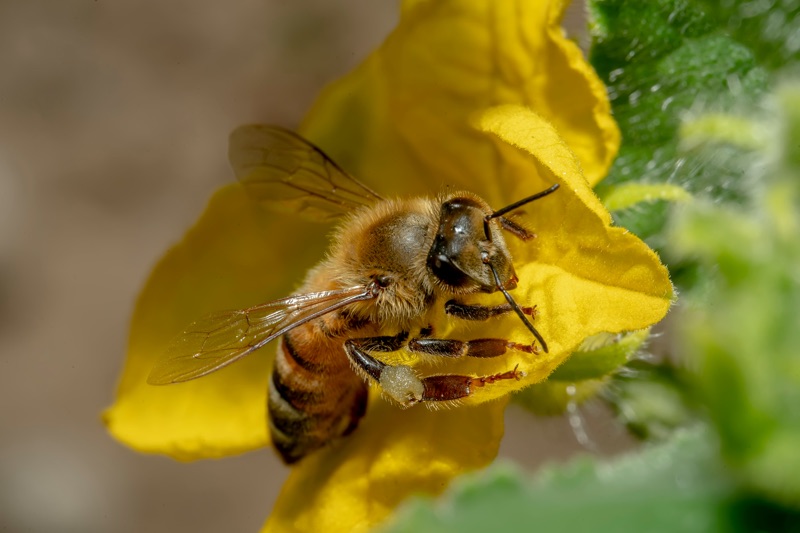
Native Plants :
🔘 Naturally found in local ecosystems
🔘 Provide higher-quality, and well-balanced nutrition.
🔘 Bloom in sync with pollinator emergence.
🔘 Support both generalist pollinators and specialist pollinators.
🔘 Essential for reproduction, larval development, and survival.
🔘 Create a complete and diverse food system for pollinators.
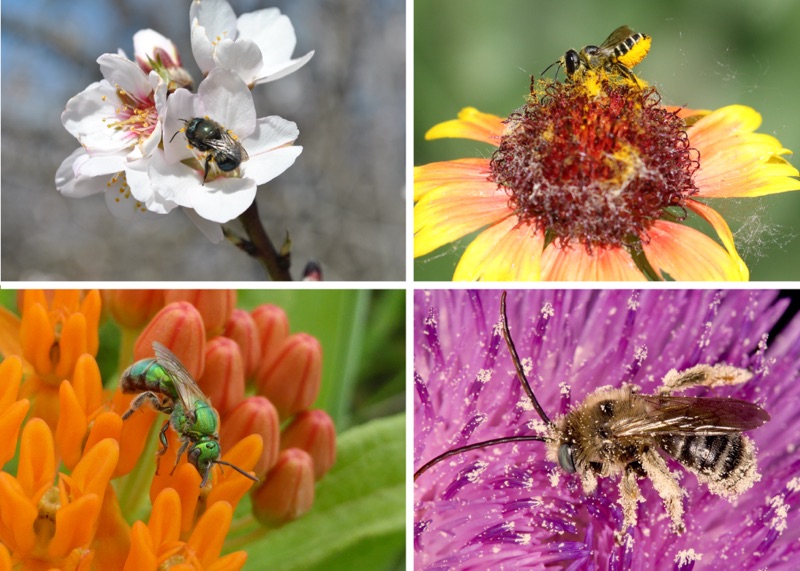
Photo Credits: Derek Artz / USDA-NRCS; Barbara Driscoll; David Cappaert, Michigan State University, Bugwood.org; Xerces Society / Sarah Foltz Jordan.
🌿 Top 5 Quick Facts : Are Dandelions Helpful To Bees?
1️⃣ Dandelions do provide nectar and pollen
They can support some pollinators, especially once they bloom in mid to late spring.
2️⃣ They mainly benefit generalist pollinators
Bees like bumblebees and honeybees can use a wide variety of plants, including dandelions.
3️⃣ Most specialist bees cannot rely on dandelions
Many native bees need specific plants like willow, spring beauty, or trout lily to survive.
4️⃣ Dandelions are not a complete food source
Bees need a variety of pollen sources to stay healthy and support reproduction.
5️⃣ Native plants provide more suitable nutrition
They are better aligned with the needs and life cycles of local pollinators.
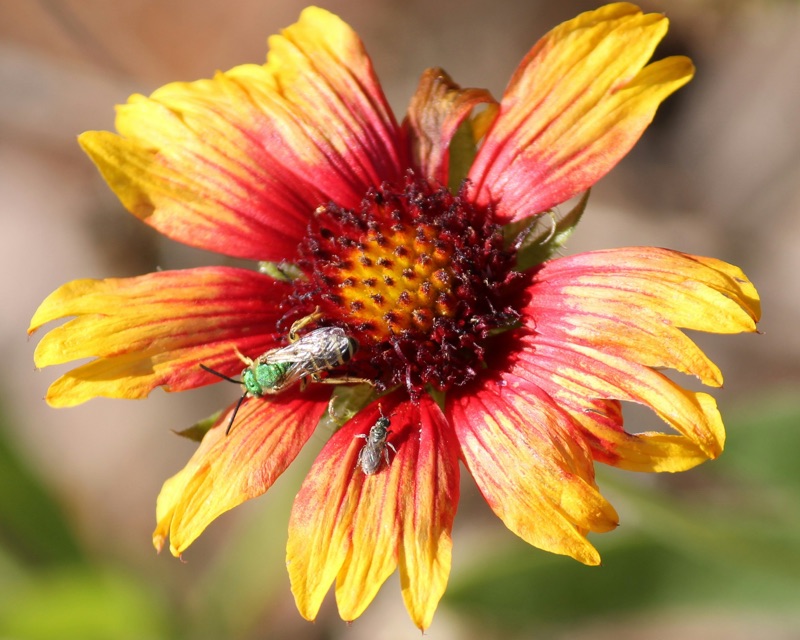
Dandelions do have a place in the spring landscape, and they can offer support to certain pollinators once they bloom. But their role is often misunderstood. They are not the first food source, and they are not a complete solution for the needs of bees and other pollinators.
When we look more closely, it becomes clear that supporting pollinators requires more than relying on one familiar plant. Bees depend on a wide range of early blooming trees, native wildflowers, and seasonally timed plants that provide the right nutrition at the right moment. Dandelions may be part of that story, but they are only one piece of a much larger and more important system.
By shifting our focus from a single plant to the full diversity of what pollinators need, we can begin to make choices that truly support their survival. Whether it’s protecting early spring blooms, planting native species, or learning to recognize overlooked food sources, these small actions add up to something much greater, a landscape that works with nature, not just alongside it.
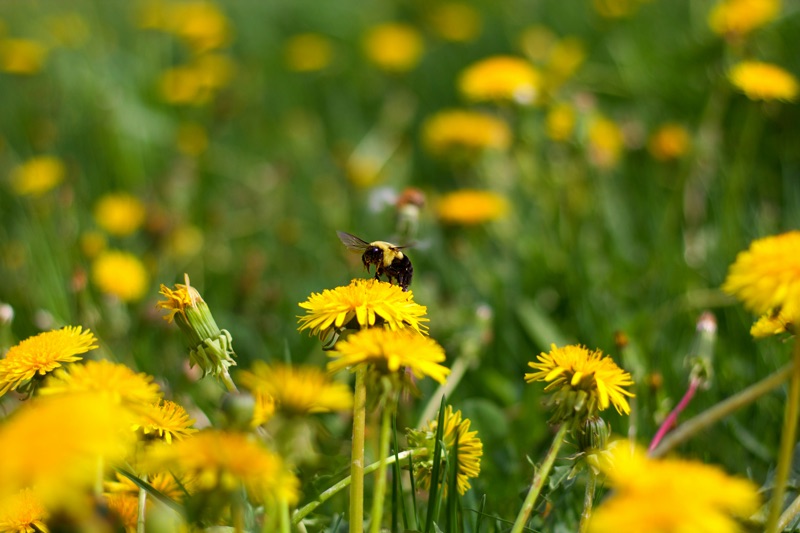
Native Bees Vs. Honey Bees : Who Are We Talking About?
When conversations about pollinators happen, the term “bees” is often used as if it refers to a single group. In reality, there are many different types of bees, each with their own behaviors, needs, and roles within the ecosystem. One of the most common misunderstandings is the difference between native bees and honeybees.
Honeybees are widely recognized and often become the focus of pollinator discussions. However, they are not native to Canada and represent just one species among hundreds of native bees that live across the country. These native species are often less visible, but they play a vital role in pollination and ecosystem health.
In this section, we’ll explore the key differences between native bees and honeybees, why native bees are especially important in this conversation, and how common messaging can sometimes overlook them.
Native Bees Vs. Honey Bees - Key Differences
Although both native bees and honeybees are important pollinators, they live very different lives. Understanding these differences helps explain why their needs and how we support them are not the same.
🐝 Honey Bees (Apis mellifera) :
1️⃣ Non - Native to Canada (introduced from Europe).
2️⃣ Live in large colonies with thousands of individuals.
3️⃣ They produce and store honey
4️⃣ Managed by humans (beekeeping)
5️⃣ Forage over long distances
6️⃣ Generalist Feeders (visit many types of flowers).
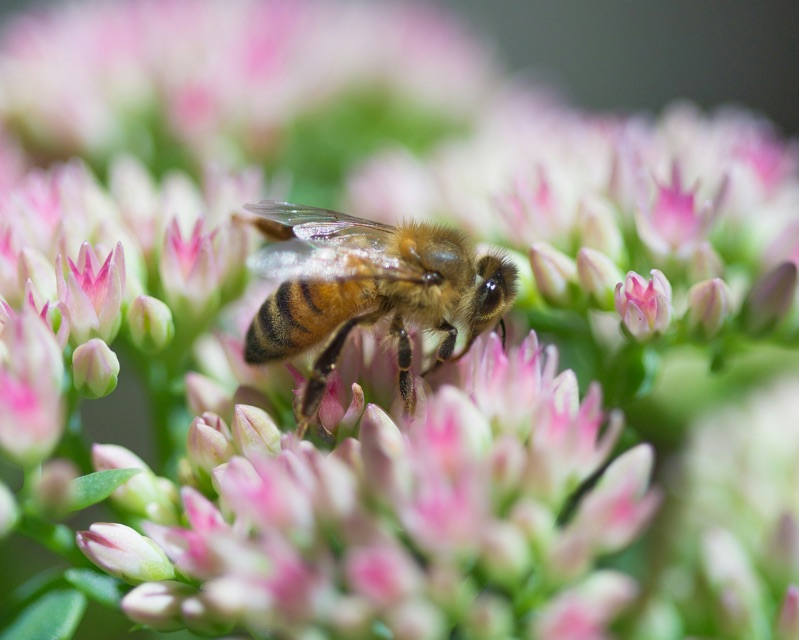
🌸 Native Bees :
1️⃣ Include hundreds of species across Canada.
2️⃣ Most are solitary, meaning they work alone and don’t live in colonies.
3️⃣ They don’t produce honey
4️⃣ Nest in the ground, hollow stems, or natural cavities.
5️⃣ Often forage closer to their nesting sites.
6️⃣ Many native bees are specialist pollinators, where they rely on specific plants.
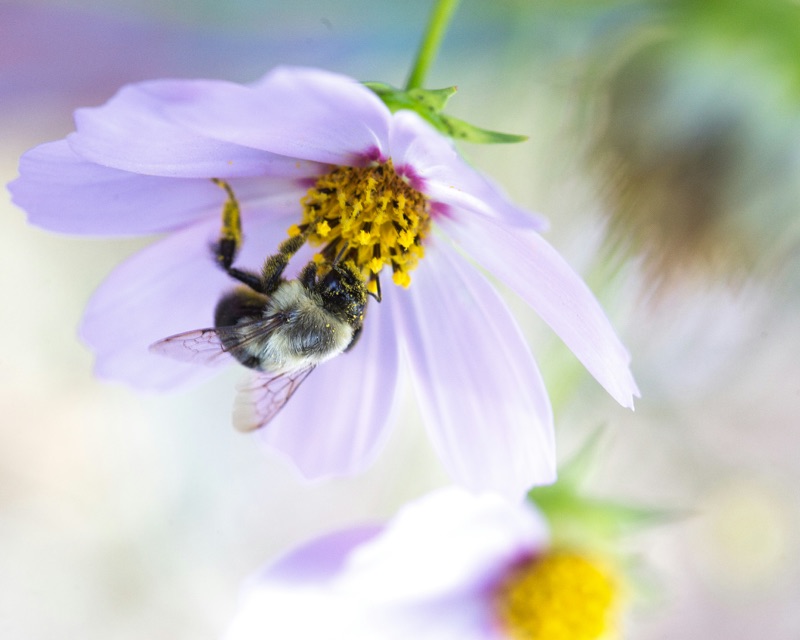
👉 These differences mean native bees and honeybees interact with plants and depend on them in very different ways.
Why Native Bees Matter The Most In This Conversation?
While honeybees are often highlighted in pollinator discussions, native bees are the species most closely connected to local ecosystems. Their survival depends on the availability of the right plants at the right time especially in early spring.
Deep Ecological Relationships :
1️⃣ Native bees have evolved alongside native plants.
2️⃣ Many rely on specific species for pollen and nectar.
3️⃣ Their life cycles are closely tied to seasonal bloom timing.
Specialists Vs. Generalists :
1️⃣ Many native bees are specialists, requiring certain plants.
2️⃣ If those plants are missing, they may not survive or reproduce.
3️⃣ Honeybees, as generalists, can adapt more easily to different food sources.
Essential For Biodiversity :
1️⃣ Native bees support the reproduction of wild plants and ecosystems.
2️⃣ They contribute to healthy habitats for other wildlife.
3️⃣ Some are more efficient pollinators than honeybees for certain plants.
👉 Supporting native bees means supporting the entire ecosystem not just one species.
Why Messaging Focuses On Honey Bees
Despite the importance of native bees, much of the messaging around pollinators tends to focus on honeybees. This can unintentionally shape how people understand and support pollinators.
Familiarity and Visibility :
➡️ Honeybees are widely recognized and easy to identify.
➡️ They are often featured in media, education, and branding.
Connection to Food Production :
➡️ Honeybees are closely linked to agriculture and crop pollination.
➡️ Their role in food systems makes them a common focus.
Managed and Measurable :
➡️ Honeybee populations are monitored and managed.
➡️ This makes their decline easier to track and communicate.
The Missing Part Of The Story :
➡️ Native bees are less visible and harder to track.
➡️ Their diversity and needs are often not widely understood.
➡️ Messaging can unintentionally oversimplify pollinator support.
👉 When we focus only on honeybees, we risk overlooking the many native species that need different types of support.
Comparison Chart : Honeybees Vs. Native Bees
🐝 Honey Bees :
🔘 Originated from Europe and were introduced for agriculture.
🔘 Focus heavily on mass flowering plants and crops.
🔘 Can compete with native bees for limited food sources.
🔘 Active throughout the season as part of a single, continuous colony.
🔘 Rely on stored honey reserves to survive colder periods.
🔘 Often found in managed hives or agricultural settings.
🔘 Active throughout the season as part of a single, continuous colony.
🔘 Rely on stored honey reserves to survive colder periods.
🔘 Often found in managed hives or agricultural settings.
🔘 Their populations are supported through human intervention and care.
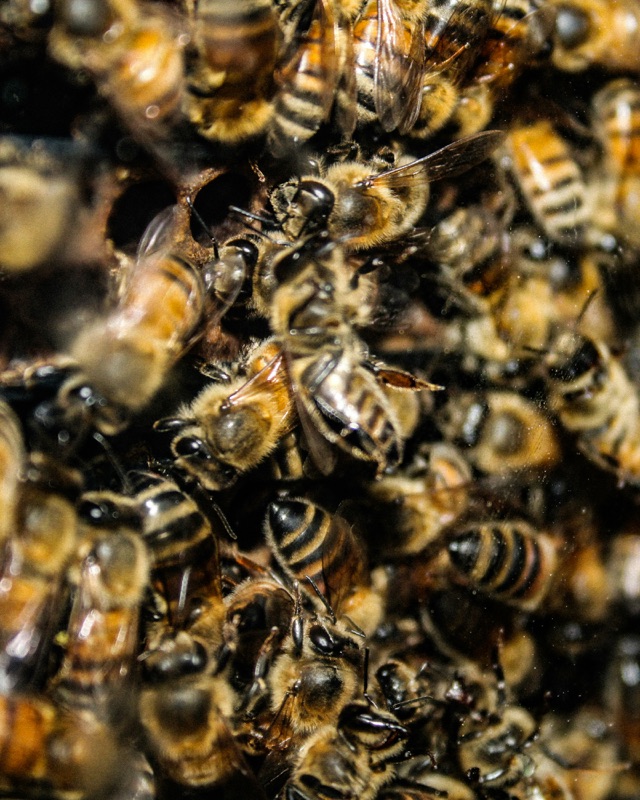
🌼 Native Bees :
🔘 Have evolved naturally within local ecosystems over thousands of years.
🔘 Often depend on season-specific blooms that match their life cycle.
🔘 Play a key role in pollinating wild plants and native habitats.
🔘 Many species are active for short periods (a few weeks) during the year.
🔘 Do not store food long term each generation must find resources in real time.
🔘 Commonly found in natural areas, gardens, and undisturbed habitats.
🔘 Populations depend on healthy ecosystems, not human management.
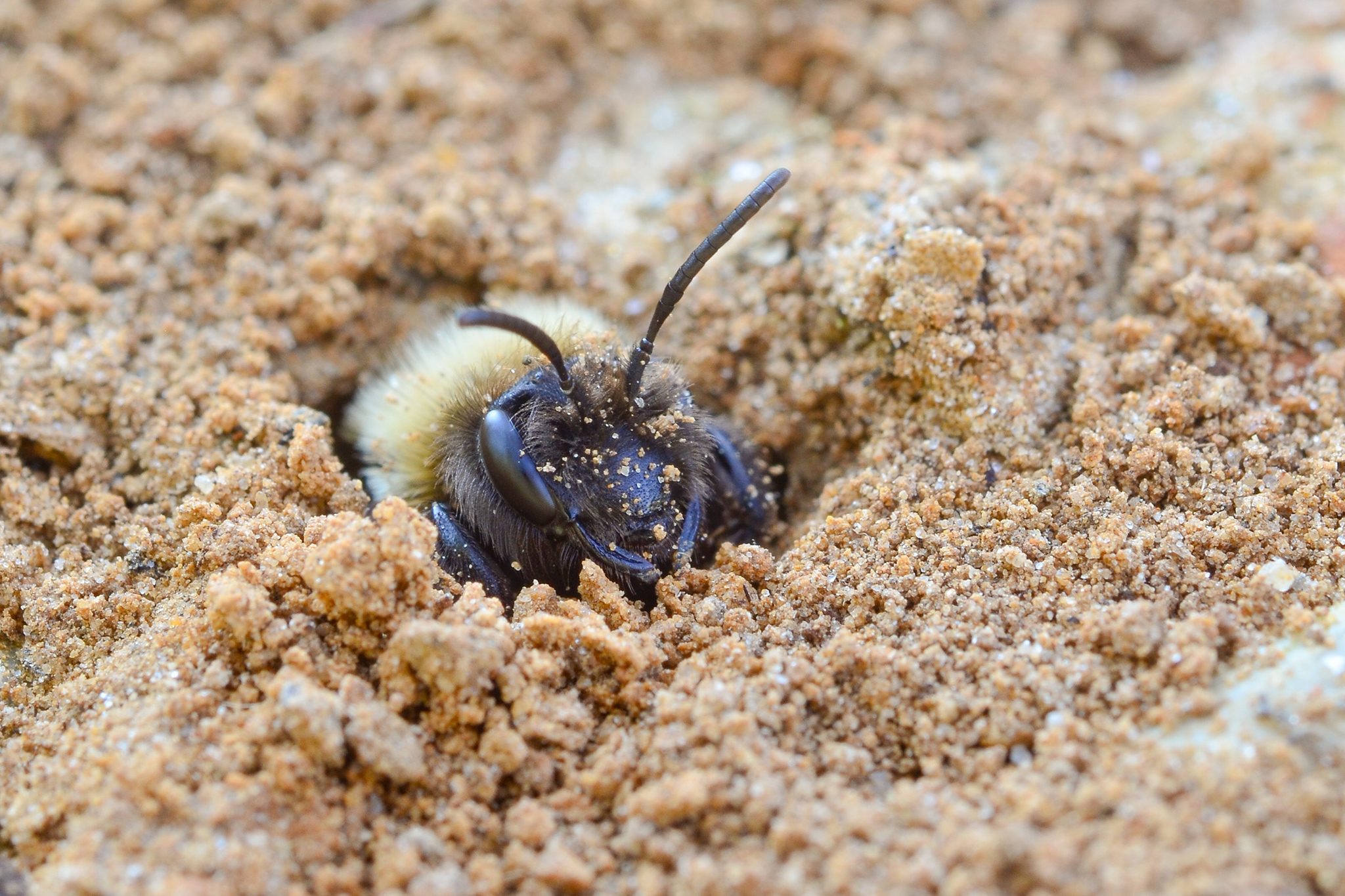
Photo Credits: Getty Images
🌿 Top 5 Quick Facts : Native Bees Vs. Honey Bees
1️⃣ Native bees are active at specific times of the year
Many species are only active for a few weeks, timed with the plants they depend on.
2️⃣ Honeybees can buffer food shortages native bees cannot
Honeybees rely on stored honey, while native bees must find food as it becomes available.
3️⃣ Native bees are often more efficient pollinators for native plants
Their bodies and behaviors are adapted to the flowers they evolved with.
4️⃣ Competition can occur when resources are limited
Large numbers of honeybees can outcompete native bees for nectar and pollen.
5️⃣ Habitat matters more for native bees than hive support
Native bees need nesting sites, undisturbed ground, and native plants not managed hives.
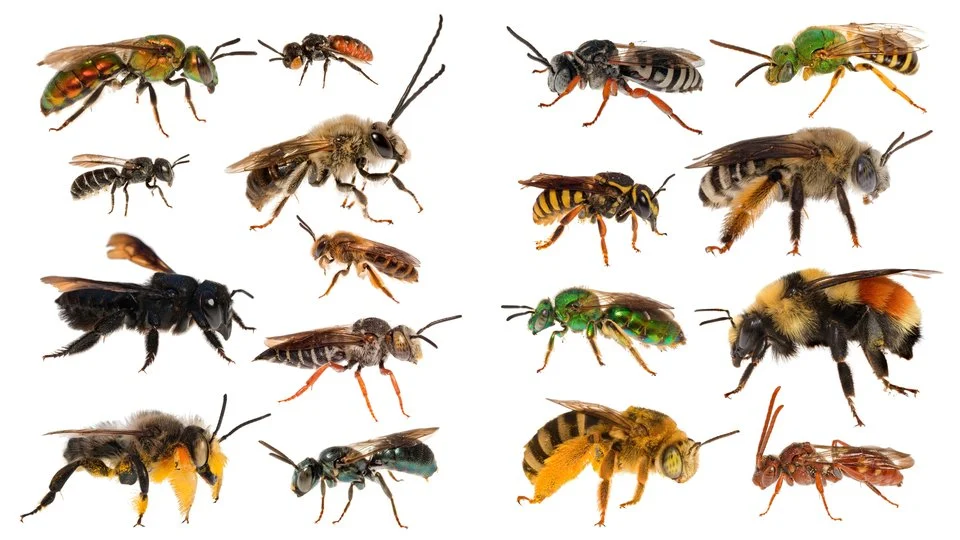
Photo Credits: Clay Bolt
When we talk about helping bees, it’s easy to focus on what is most familiar but familiarity doesn’t always reflect what is most important. Native bees make up the majority of bee species in Canada, yet they are often overlooked in conversations shaped around honeybees. These small, often unnoticed pollinators are deeply connected to the land, relying on specific plants, precise timing, and healthy habitats to survive. When those connections are disrupted, there is no backup system no stored food, no managed care only the conditions of the environment they depend on.
Shifting our focus to include native bees changes how we understand pollinator support. It moves us away from simple solutions and toward a more complete picture one that recognizes the importance of native plants, seasonal blooms, and ecological balance. By asking which bees we are helping and what they truly need, we begin to make choices that support not just individual species, but the entire web of life they are part of.
The Problem With “No Mow May” Messaging
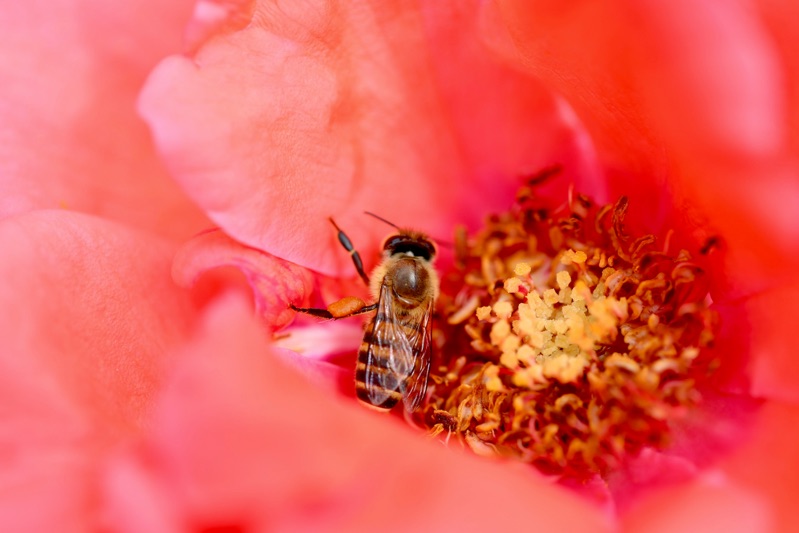
In recent years, the message of “No Mow May” has become widely shared as a way to help pollinators in spring. The idea is simple by letting lawns grow and allowing flowers like dandelions to bloom, people can provide food for bees during an important time of year. It’s a message that has spread quickly, supported by good intentions and a growing desire to protect pollinators.
While this approach can offer some benefits, it also simplifies a much more complex reality. Pollinators don’t rely on a single plant or a single moment in the season they depend on a wide range of native species, blooming at the right times, within healthy and diverse habitats. When messaging focuses too heavily on one action, it can unintentionally overlook what pollinators truly need to survive and thrive.
In this section, we’ll take a closer look at where “No Mow May” can be helpful, where it falls short, and why it should be seen as a small step not a replacement for creating pollinator-friendly spaces through native planting and habitat support.
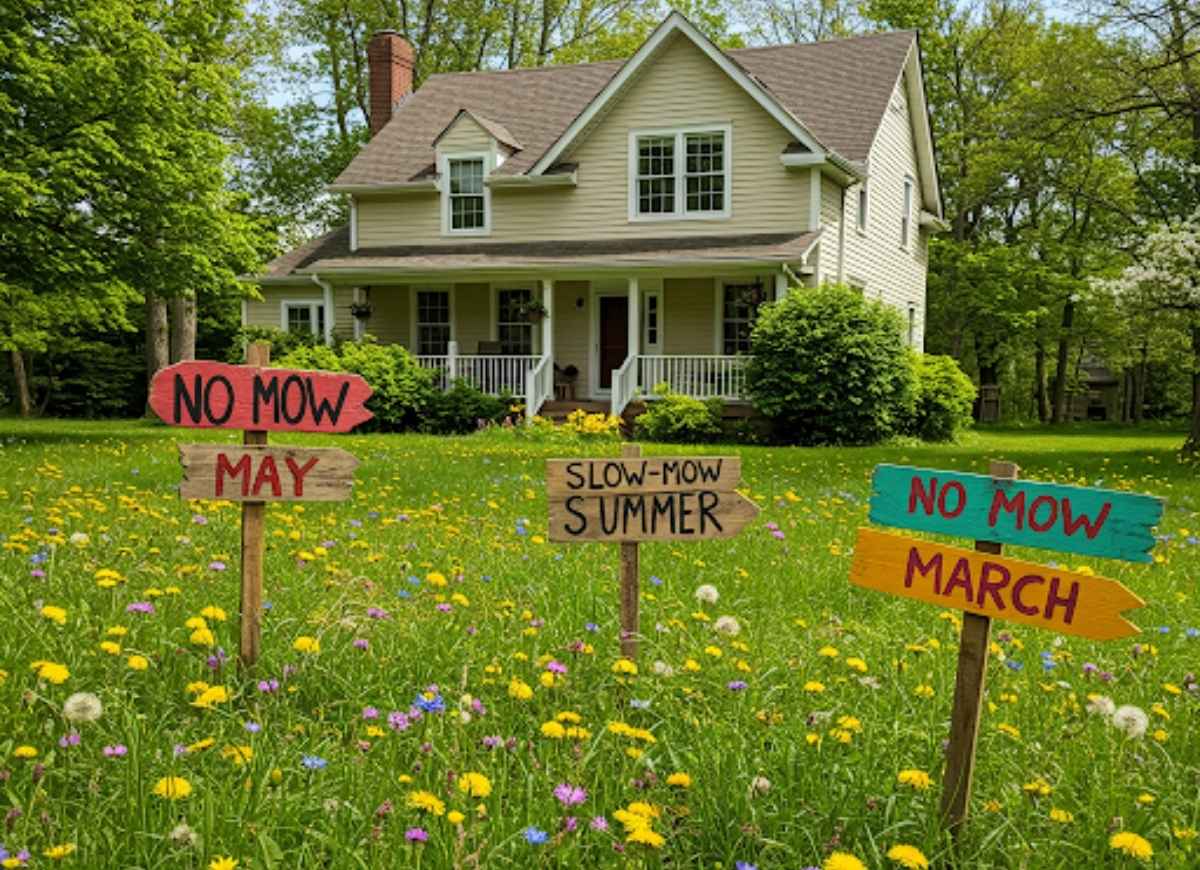
Photo Credits: Lawn Love
Where “No Mow May” Can Help
At its core, “No Mow May” is rooted in a positive goal encouraging people to think about pollinators and take simple actions to support them. In certain situations, it can provide short-term benefits.
Potential Benefits :
1️⃣ Allows flowers like dandelions and clover to bloom.
2️⃣ Provides temporary nectar and pollen sources.
3️⃣ Encourages people to pause lawn maintenance and observe nature.
4️⃣ Helps raise awareness about pollinators and their needs.
Why This Matters :
For people who are just beginning to learn about pollinators, this message can act as an entry point a simple first step toward greater awareness.
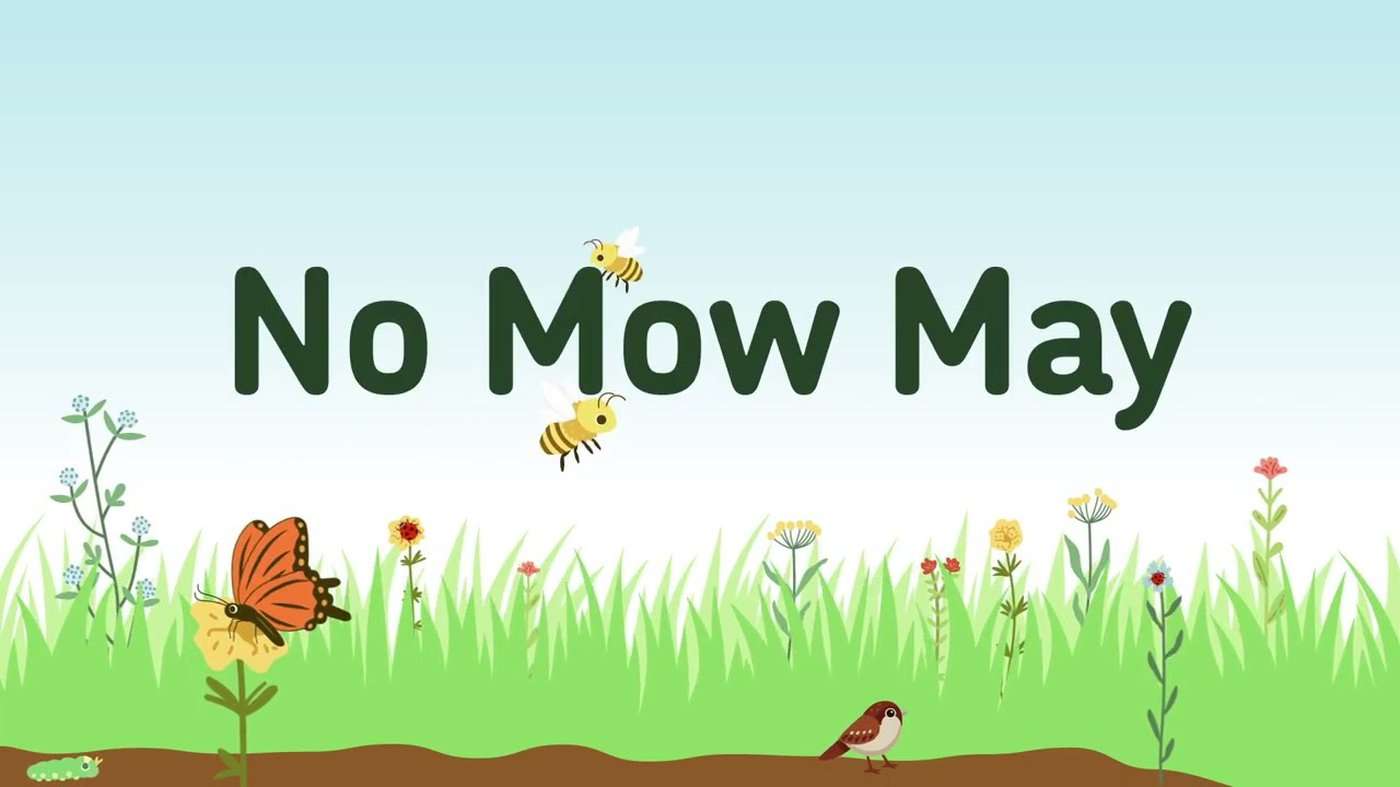
Photo Credits: City Of Kingston
Where The Message Oversimplifies
While the idea is helpful in some ways, it can also create misunderstandings when it’s presented as a complete solution.
Common Oversimplifications :
🔘 Suggests that dandelions are the first and most important food source.
🔘 Focuses on one month rather than the full growing season.
🔘 Implies that not mowing alone is enough to support pollinators.
🔘 Overlooks the importance of early spring trees and native plants.
What Gets Missed :
🔘 Pollinators need continuous food sources, not just one bloom period.
🔘 Many bees rely on specific native plants, not lawn weeds.
🔘 Early-season needs often begin before May even starts.
👉🏻 A simple message can be helpful but it doesn’t show the full picture.
Why It Shouldn’t Replace Native Planting
Supporting pollinators requires more than temporary changes. It involves creating environments that provide consistent, high quality resources throughout the season. This is where native plants play a critical role.
The Limits of Lawn Based Support :
🔘 Lawns are often made up of non-native or low-diversity plants.
🔘 They provide limited nutrition and habitat value.
🔘 They do not support specialist pollinators.
What Native Planting Provides :
🔘 A diverse range of blooms from early spring to late fall.
🔘 Plants that match the needs of local pollinators.
🔘 Habitat for feeding, nesting, and reproduction.
A More Effective Approach :
🔘 Use “No Mow May” as a starting point but not the end goal.
🔘 Gradually replace parts of lawns with native plants and habitats.
🔘 Focus on creating a season-long food supply.
👉🏻 Real support comes from diversity, timing, and native ecosystems not just leaving grass uncut.
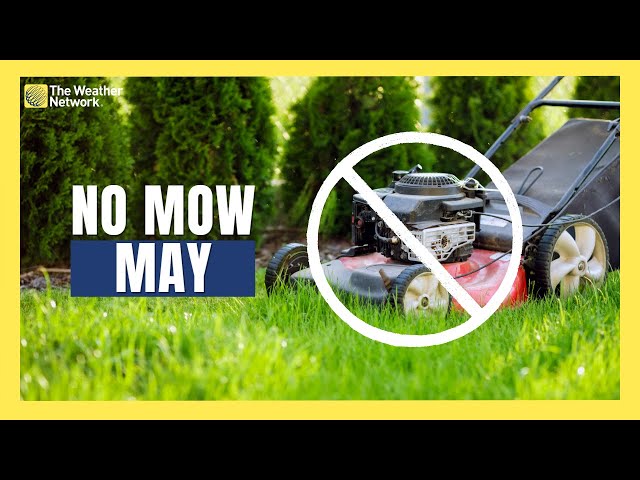
Photo Credits: The Weather Network
🌿 Top 5 Quick Facts : “No Mow May” & Pollinators
1️⃣ “No Mow May” can help but only in a limited way.
2️⃣ Pollinators need support beyond just one month.
3️⃣ Early spring needs begin before May
4️⃣ Lawns alone cannot support pollinator diversity.
5️⃣ Native plants provide the most meaningful support.
“No Mow May” has helped bring attention to pollinators, and that awareness is an important first step. But meaningful support goes beyond a single action or a single month. Pollinators need a continuous supply of food, diverse plant life, and habitats that reflect the ecosystems they evolved within.
By looking beyond simplified messages and focusing on long-term solutions like native planting, we can create spaces that truly support pollinators not just in May, but throughout the entire season.
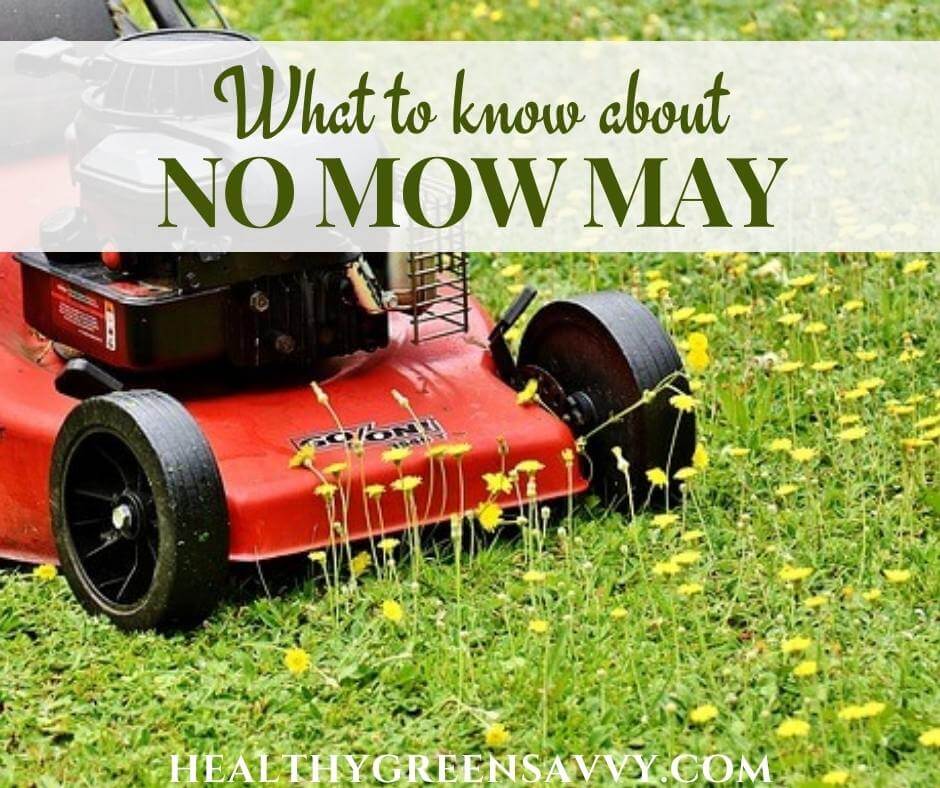
Photo Credits: HealthyGreenSavy
Dandelions Vs. Native Plants
Dandelions are often seen as a helpful food source for pollinators, especially in spring. And while they do provide nectar and pollen, they represent only a small part of what pollinators truly need to survive and thrive. When we compare dandelions to native plants, the difference goes far beyond a single food source it extends to life cycles, habitat, and long-term ecosystem support.
Pollinators don’t just need food for the moment. They need plants that support them at every stage of life, from egg to adult. This is where native plants play an essential role. They are not just an added benefit they are a foundational part of healthy ecosystems.
In this section, we’ll explore the difference between short-term food sources and full life cycle support, the importance of host plants for butterflies and moths, and why native plants are essential not optional when it comes to supporting pollinators.
Nectar Vs. Full Life Cycle Support
When people think about helping pollinators, the focus is often on nectar providing energy for bees, butterflies, and other insects. While nectar is important, it is only one part of a much larger picture.
What Nectar Provides :
1️⃣ Quick energy for flight and daily activity
2️⃣ Supports adult pollinators while feeding
3️⃣ Helps sustain insects during active periods.
What’s Missing :
1️⃣ Nectar does not support eggs, larvae, or caterpillars.
2️⃣ It does not provide the full nutrition needed for development.
3️⃣ It only supports one stage of the life cycle.
Why Full Life Cycle Support Matters :
1️⃣ Pollinators need plants for feeding, reproduction, and development.
2️⃣ Without the right plants for each stage, populations cannot sustain themselves.
3️⃣ True support means providing resources from egg → larva → adult.
👉 Dandelions provide nectar but native plants support the entire life cycle.
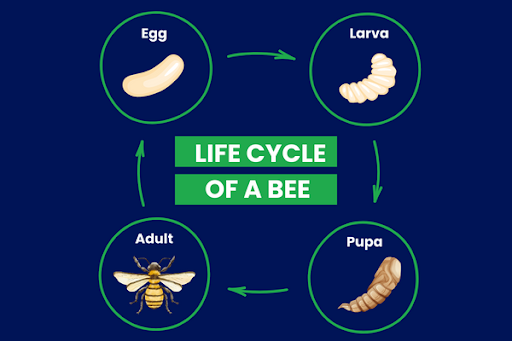
Photo Credits: Terminix
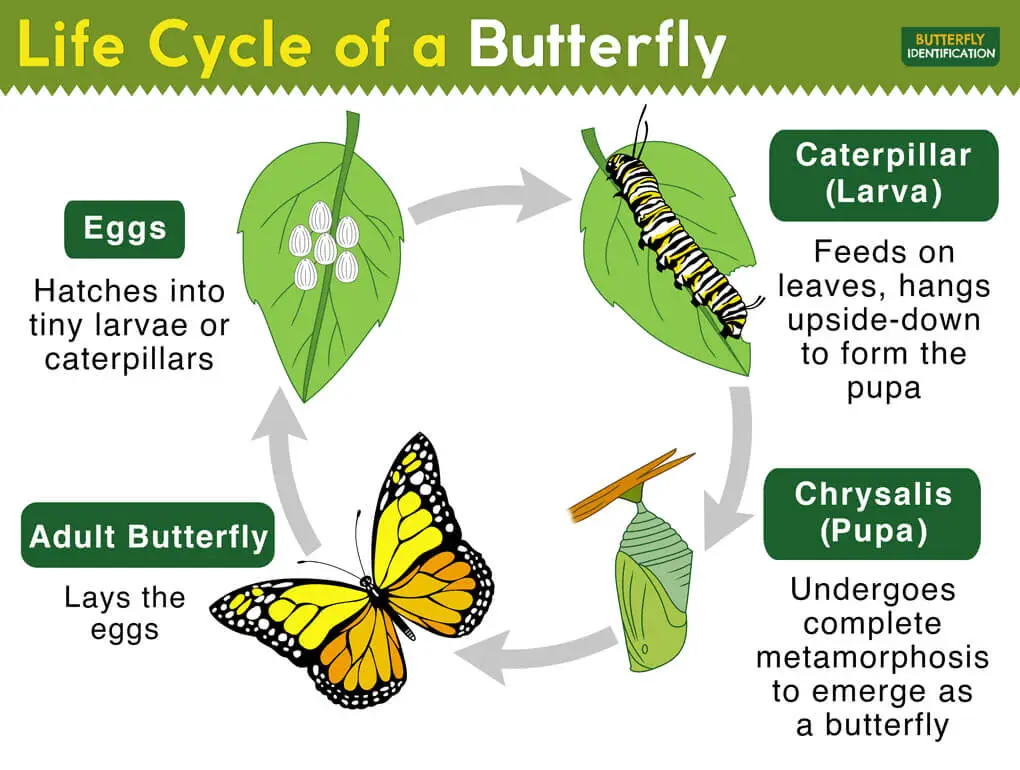
Photo Credits: Butterfly Identification
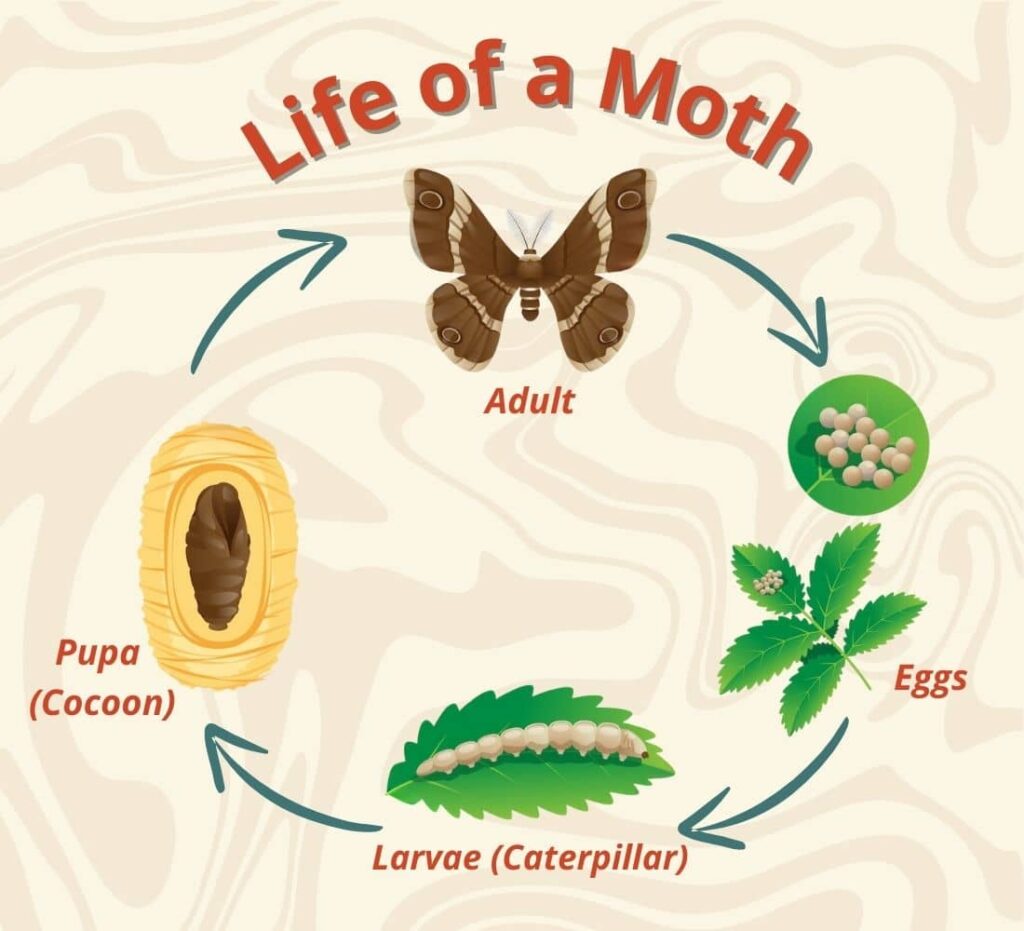
Photo Credits: Pest Control Jacksonville Florida
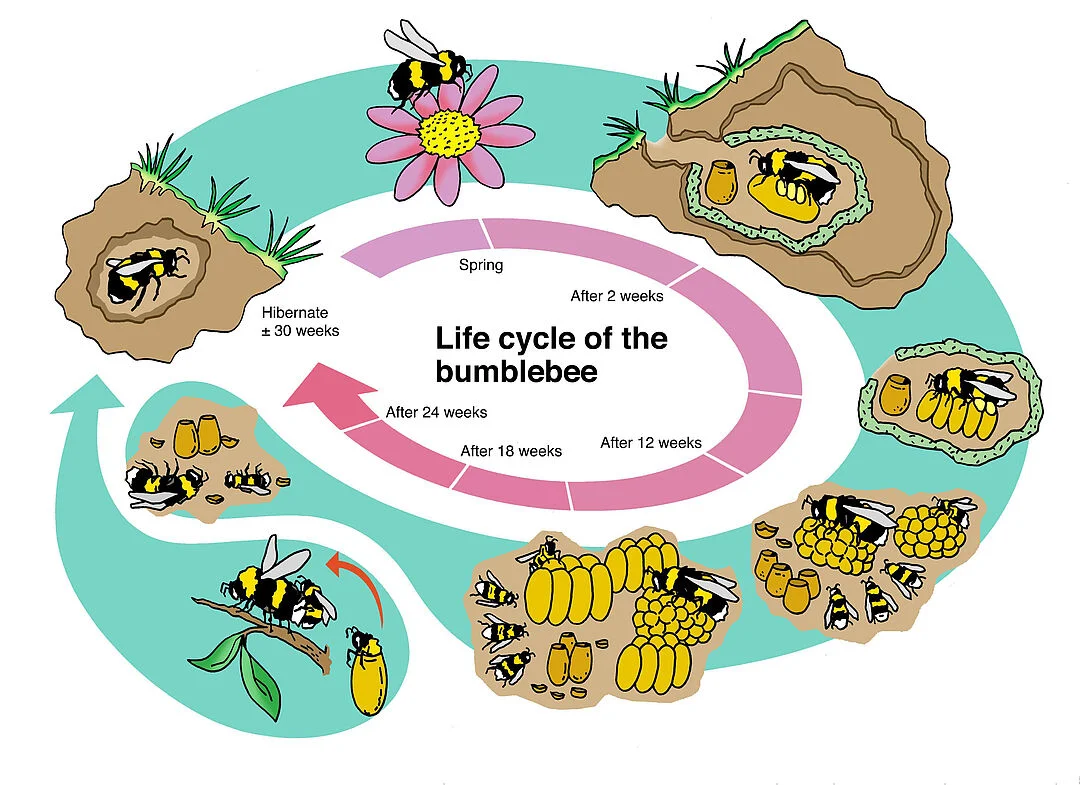
Photo Credits: Koppert US
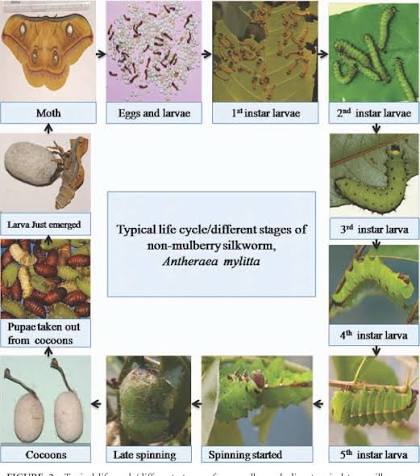
Photo Credits: Shivaji College / Dr. Nidhi Garg
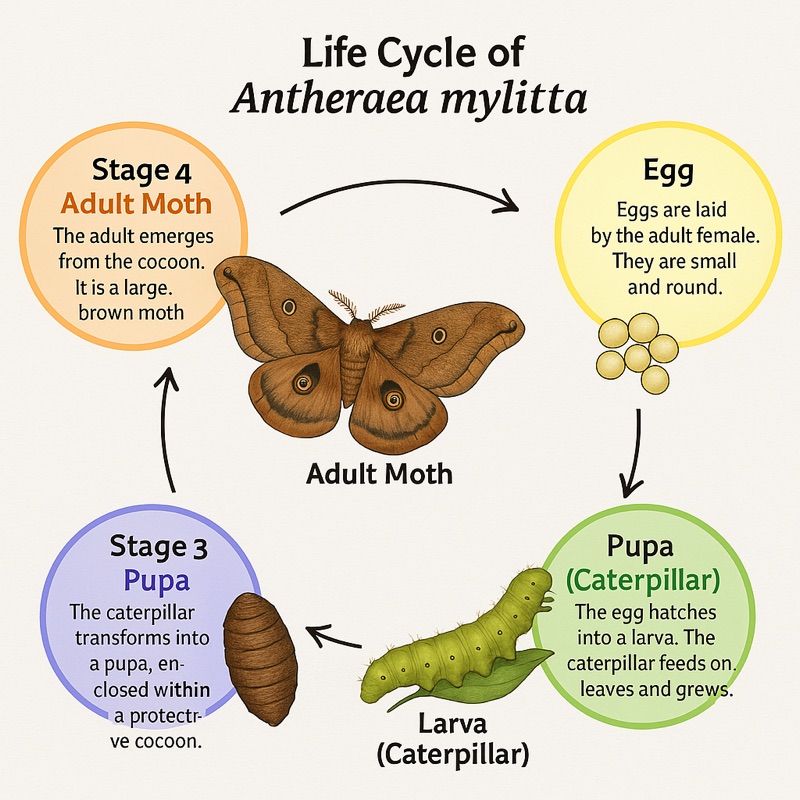
Photo Credits: Zoology Online Learning
Host Plants For Butterflies and Moths
Butterflies and moths have one of the most specialized relationships with plants. While adults may visit a variety of flowers for nectar, their caterpillars often depend on specific host plants to survive.
What Are Host Plants? :
1️⃣ Plants where butterflies and moths lay their eggs.
2️⃣ The only plants that caterpillars can feed on and grow.
3️⃣ Essential for completing their life cycle
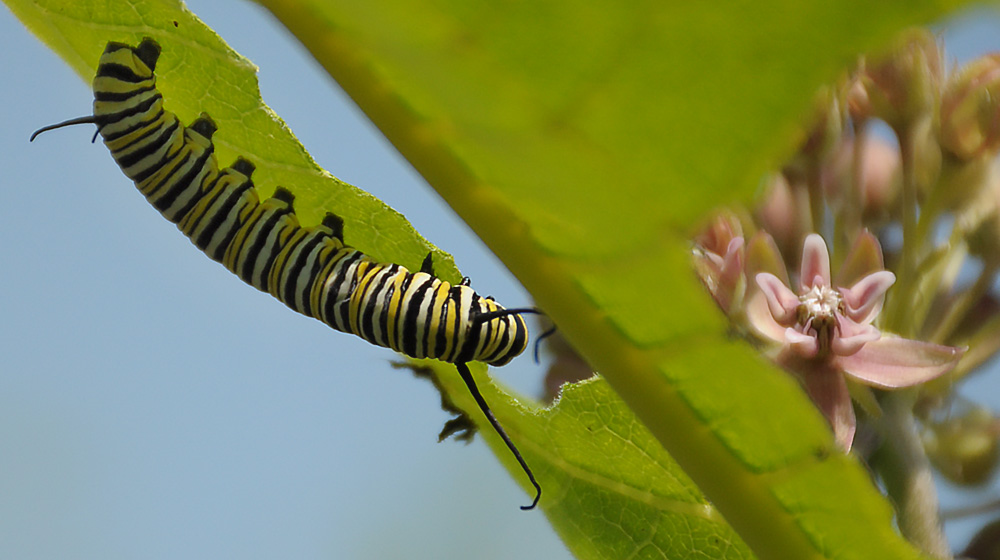
Photo Credits: Prairie Nursery
Examples of Host Plant Relationships :
🔘 Milkweed ➡️ Monarch Butterflies and Milkweed Tussock Moths.
🔘 Golden Alexander ➡️ Eastern Black Swallowtail Butterfly
🔘 Willows ➡️ Viceroy Butterfly and Red Spotted Purple Butterfly.
🔘 New Jersey Tea ➡️ Mottled Duskywing Butterfly, Spring Azure Butterfly, and Summer Azure Butterfly.
🔘 Pale Purple Coneflower ➡️ Silvery Checkerspot Butterfly and Wavy line Emerald Moth.
🔘 Grey Headed Coneflower ➡️ Silvery Checkerspot Butterfly and Wavy line Emerald Moth.
🔘 Violets ➡️ Fritillary Butterflies
🔘 Goldenrod ➡️ Isabella Tiger Moth
🔘 Maples ➡️ Rosy Maple Moth, Cecropia Moth, and Polyphemus Moth.
🔘 Dogwoods ➡️ Spring Azure Butterfly, Summer Azure Butterfly, Cecropia Moth, and Polyphemus Moth.
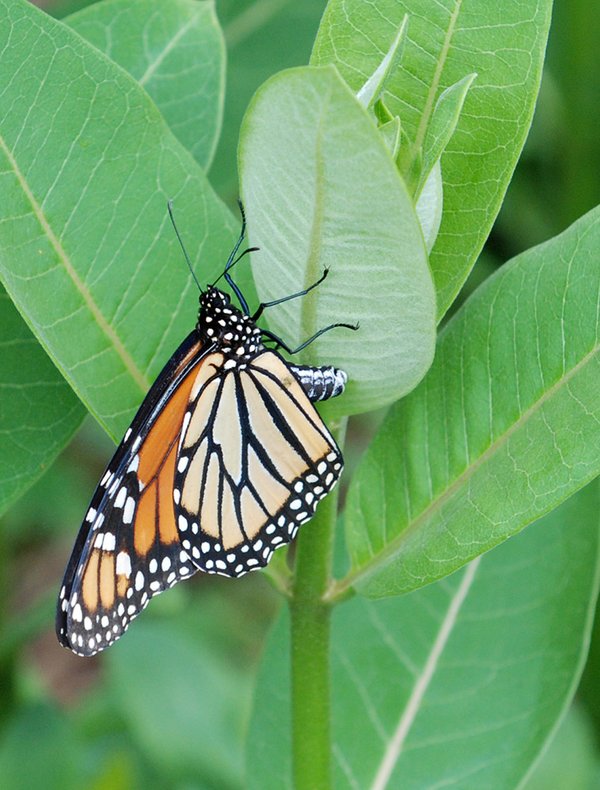
A female Monarch Butterfly laying eggs on a leaf of a Milkweed Plant. Photo Credits: Sheperd Express
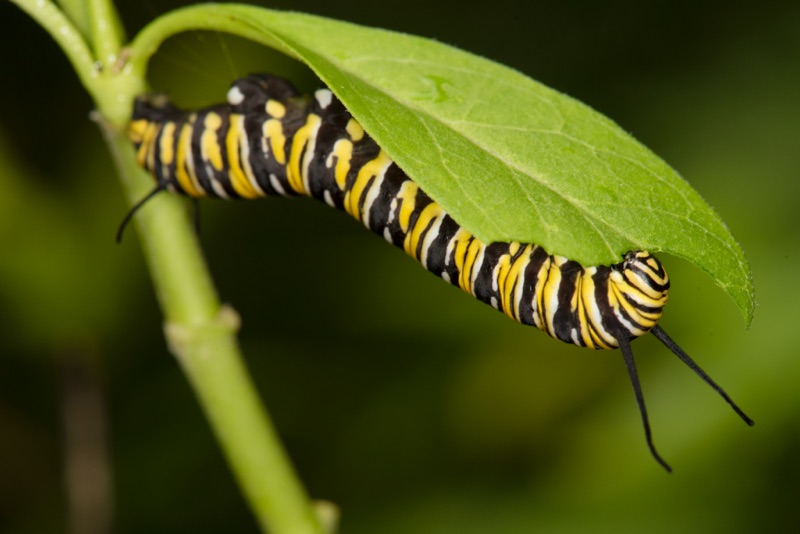
Photo Credits: Entomology Today
Why Dandelions Fall Short :
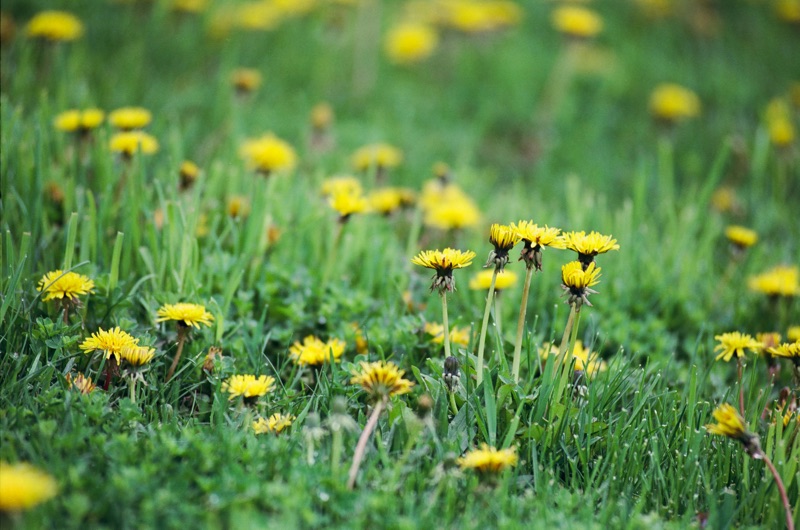
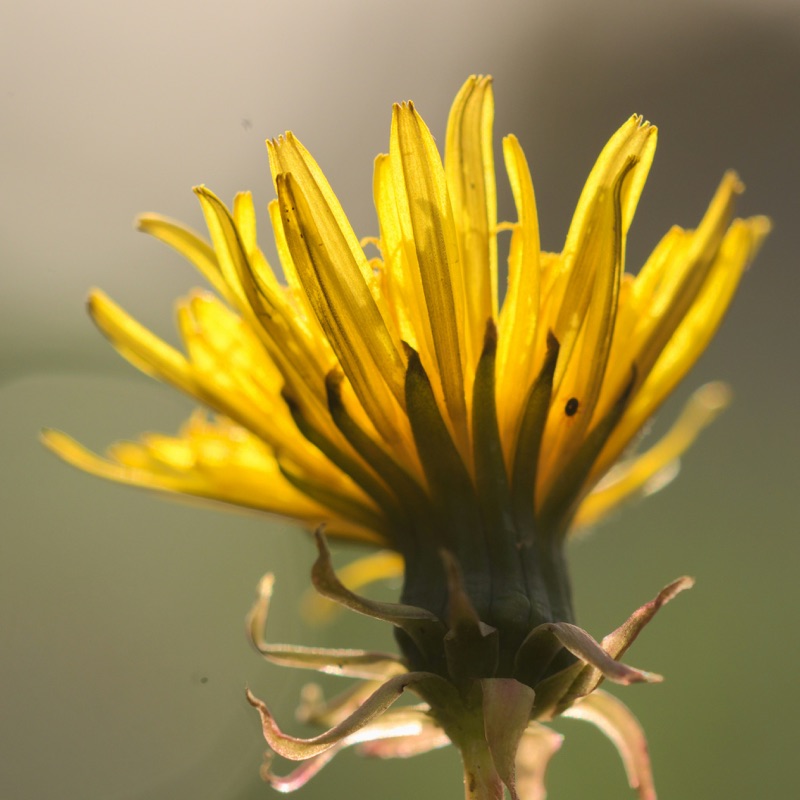
1️⃣ They are not host plants for most native butterflies and moths.
2️⃣ They do not support caterpillar development.
3️⃣ They only provide limited nectar for adults.
👉 Without host plants, butterflies and moths cannot reproduce no matter how much nectar is available.
Why Native Plants Are Essential, Not Optional
It’s easy to think of native plants as an extra step something beneficial but not necessary. In reality, they are a critical part of supporting pollinators and maintaining healthy ecosystems.
What Native Plants Provide :
1️⃣ Food that matches the needs of local pollinators.
2️⃣ Support for both generalist and specialist species.
3️⃣ Habitat for feeding, nesting, and reproduction.
4️⃣ Bloom timing that aligns with seasonal activity.
What Happens Without Them :
➡️ Specialist species lose their required food sources.
➡️ Pollinator diversity begins to decline
➡️ Ecosystems become less stable and less resilient.
The Bigger Picture :
🔘 Native plants support not just pollinators, but birds and other wildlife.
🔘 They help maintain balanced ecosystems.
🔘 They create a connected web of life, not just isolated food sources.
👉 Native plants are not optional, they are the foundation of pollinator survival.
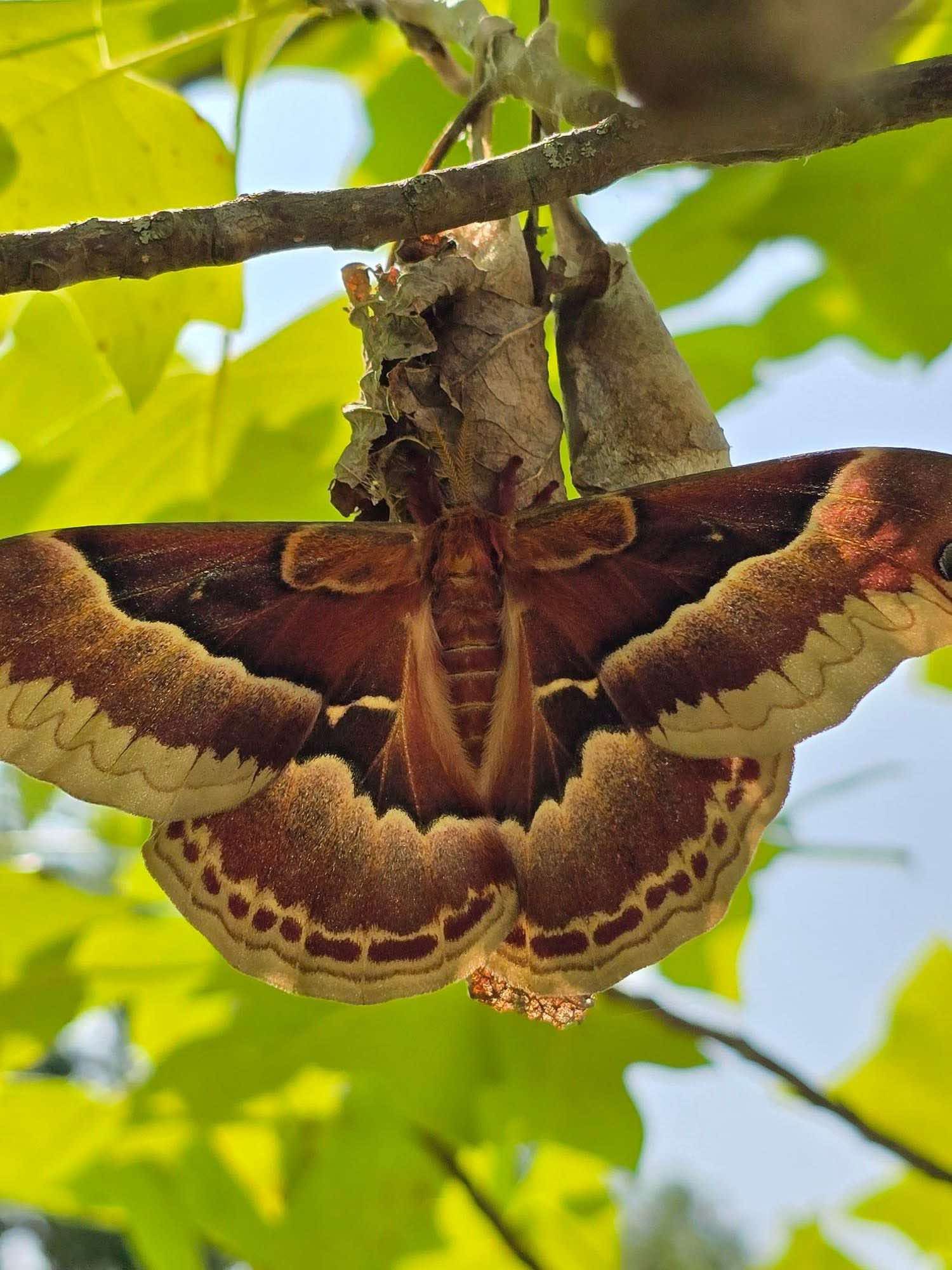
A female Promethea Moth drying its wings on a Tulip Tree. Photo Credits: Kayanase
🌿 Top 5 Quick Facts : Dandelions Vs. Native Plants
1️⃣ Dandelions provide food but not full life cycle support.
2️⃣ Host plants are essential for butterflies and moths to reproduce.
3️⃣ Native plants support both larvae and adult pollinators.
4️⃣ Nectar alone is not enough for long-term survive.
5️⃣ Healthy ecosystems depend on native plant diversity.
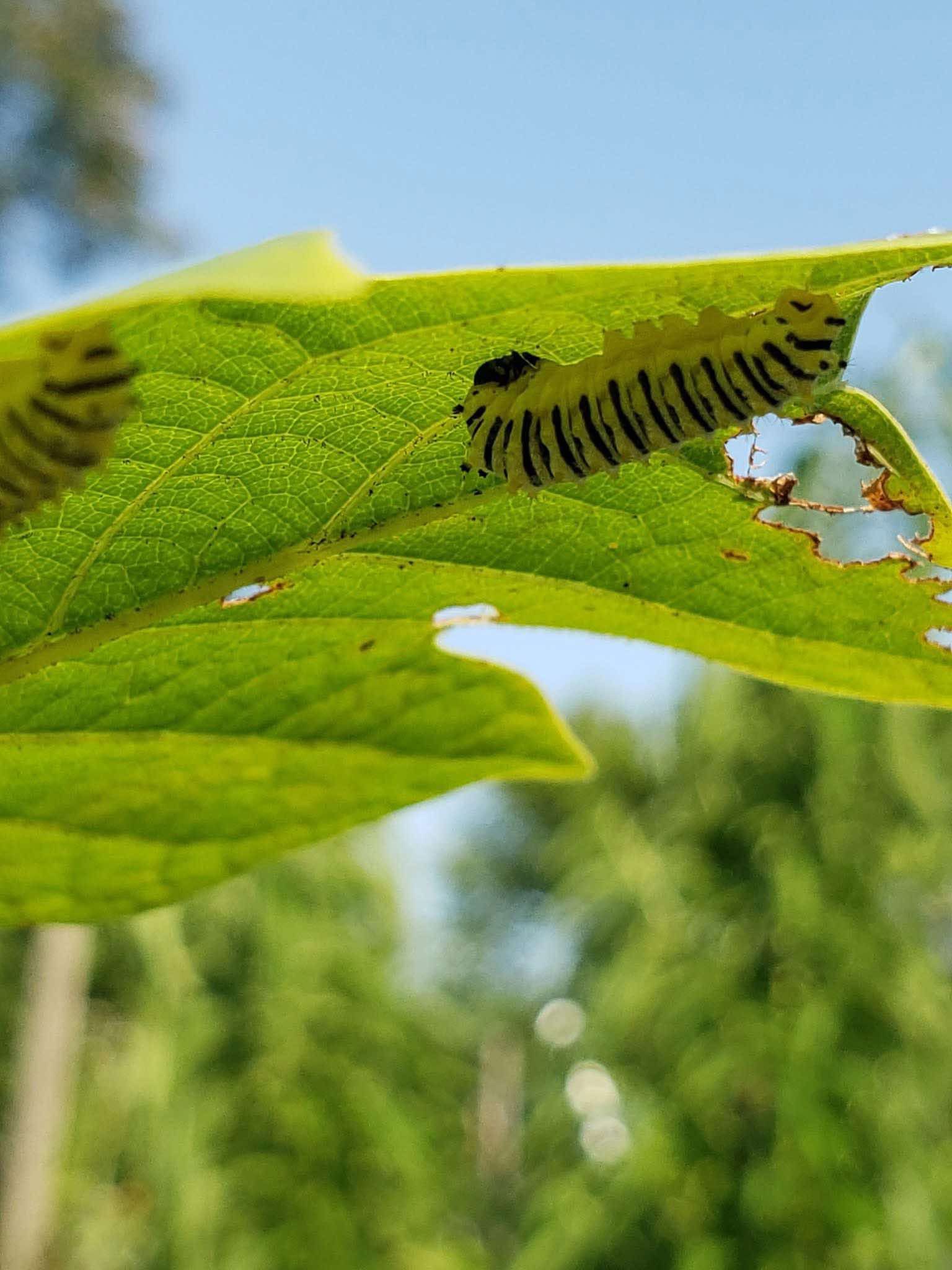
Young Promethea Moth Caterpillars on the underside of a Tulip Tree leaf. Photo Credits: Heather Tokaz
Dandelions can offer a small piece of support, but they cannot replace the role of native plants in the lives of pollinators. While nectar sources may help in the moment, it is the deeper relationships between insects and the plants they have evolved with that truly sustain populations over time.
When we shift our focus from individual flowers to entire life cycles, the importance of native plants becomes clear. They are not just an option or an addition they are the foundation that allows pollinators, and the ecosystems they support, to continue and thrive.
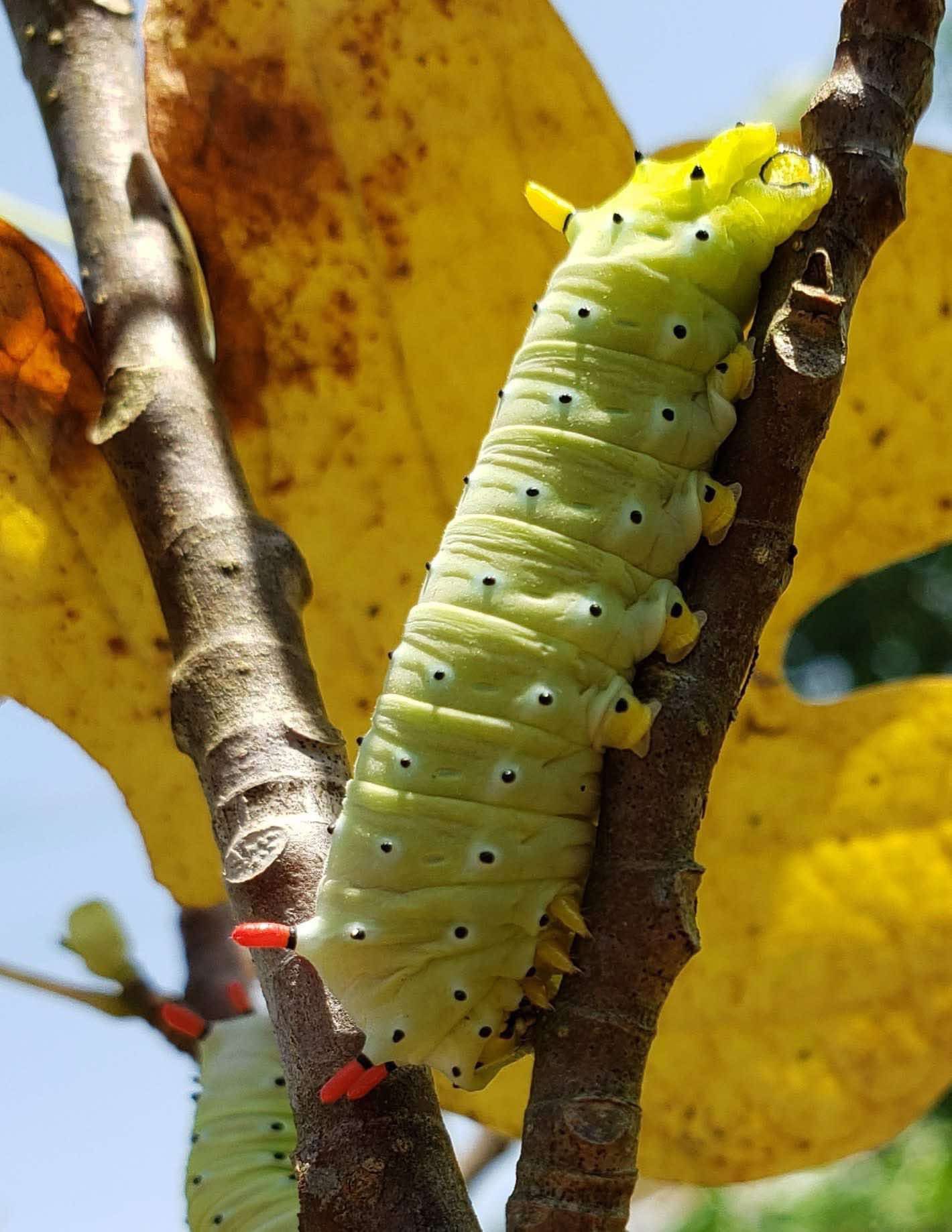
An Older Promethea Moth Caterpillar on a branch of a Tulip Tree. Photo Credits: Heather Tokaz
Specialist Bees and Why Dandelions Don’t Help Them
When we talk about bees, it’s easy to imagine that all species use the same flowers and have the same needs. In reality, many bees are highly specialized, relying on specific plants for survival. These bees are known as specialist bees, and their relationship with plants is much more precise than many people realize.
While generalist bees can visit a wide variety of flowers including dandelions specialist bees depend on certain native plants that match their life cycles. Without these plants, they cannot gather the nutrients they need or successfully reproduce.
In this section, we’ll explore what specialist bees are, look at common examples, and understand why plants like dandelions do not meet their needs.
What Are Specialist Bees?
Not all bees collect pollen from any flower they come across. Some species have evolved to rely on a narrow range of plants, forming close ecological relationships over time.
What Makes a Bee a Specialist :
1️⃣ Collect pollen from specific plant species or groups.
2️⃣ Often active during the same time those plants bloom.
3️⃣ Have physical and behavioral adaptations suited to those plants.
Why Specialization Exists :
1️⃣ Reduces competition with other pollinators.
2️⃣ Increases efficiency when collecting pollen.
3️⃣ Strengthens long-term relationships between plants and pollinators.
👉 Specialist bees are not flexible, they depend on the right plant at the right time.
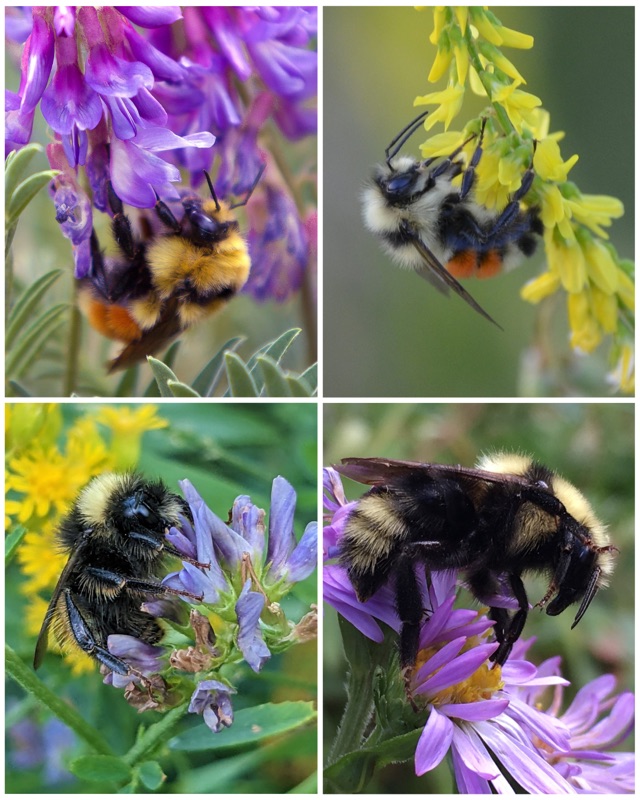
Photo Credits: Alberta Native Bee Council
Examples Of Specialist and Closely Associated Bees
Many native bees fall along a spectrum between generalist and specialist, but several well-known groups include species that rely heavily on certain plants or bloom periods.
🐝 Mason Bees (Osmia app.) :
🔘 Active in early spring
🔘 Often associated with fruit trees and early flowering plants.
🔘 Efficient pollinators of native plants and orchards.
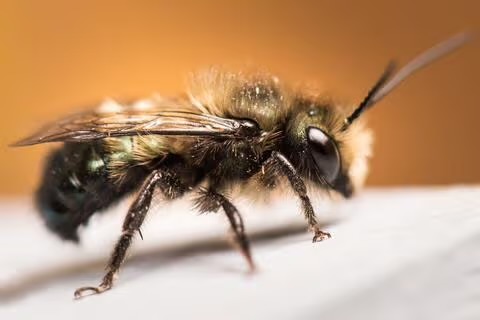
Photo Credits: BeeBuilt
🐝 Mining Bees (Andrea spp.) :
🔘 One of the largest groups of native bees
🔘 Many species are true specialists
🔘 Examples include :
➡️ Spring Beauty Mining Bees
➡️ Trout Lily Mining Bees
➡️ Willow associated mining bees
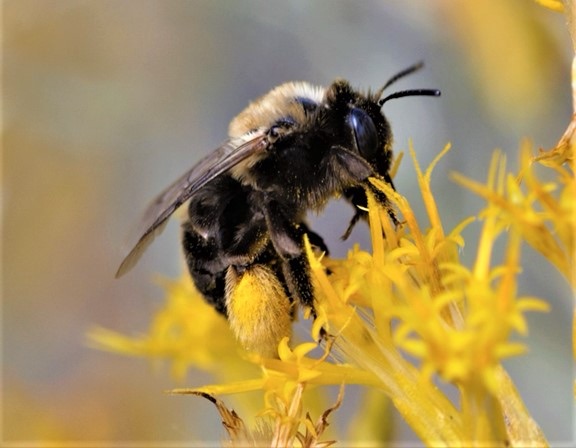
Photo Credits: D. James
🐝 Sweat Bees (Halictidae Family) :
🔘 Diverse group with both generalist and specialist species.
🔘 Some rely on specific native plants depending on region.
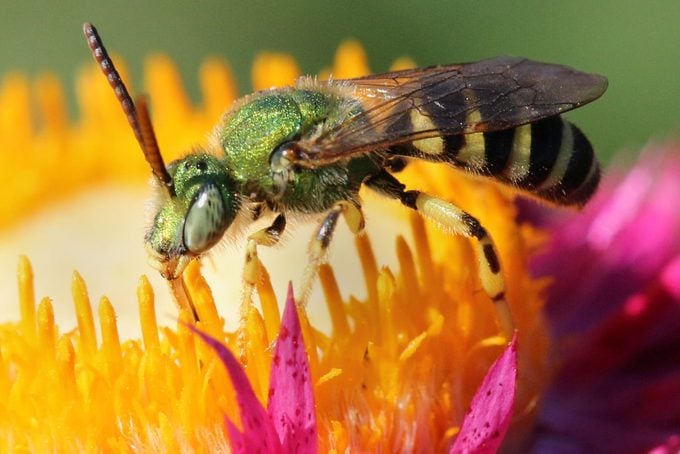
Photo Credits: Birds and Blooms
🐝 Leaf-cutter Bees (Megachile spp.) :
🔘 Known for cutting leaves to build nests
🔘 Many are generalists, but still rely on diverse flowering plants.
🔘 Benefit strongly from native plant diversity.
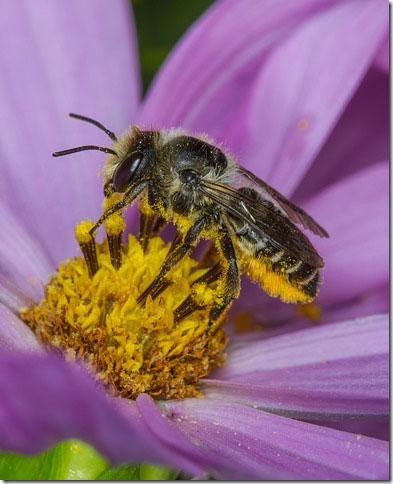
Photo Credits: Backyard Pollinator
👉 While not all of these bees are strict specialists, many depend heavily on specific plants or seasonal blooms, especially in early spring.
Why Specialist Bees Depend on Native Plants
The relationship between specialist bees and native plants is the result of long-term coevolution. These bees are not just visiting plants they are biologically adapted to them.
Precise Timing :
🔘 Bees emerge when their host plants are in bloom.
🔘 If timing is off, they may miss their only food source.
Nutritional Compatibility :
🔘 Pollen from native plants provides the exact nutrients they need.
🔘 Some bees cannot properly use pollen from unrelated plants.
Reproductive Success :
🔘 Pollen collected is used to feed larvae
🔘 Without the correct plant, reproduction can fail entirely.
👉 These bees are not able to switch to other plants easily native plants are essential to their survival.
Why Dandelions Don’t Meet Their Needs
Although dandelions are often promoted as helpful for bees, they do not provide what specialist bees require.
Lack of Specificity :
🔘 Dandelions are not tied to specialist bee relationships.
🔘 They do not match the needs of bees adapted to native plants.
Limited Nutritional Value :
Their pollen may not meet the specific dietary needs of specialist species.
No Role In Reproduction :
They do not support egg-laying or larval development for most specialist bees.
👉 For specialist bees, dandelions are often irrelevant rather than helpful.
🌿 Top 5 Quick Facts : Specialist Bees
1️⃣ Many native bees are specialists, not generalists.
2️⃣ They rely on specific native plants to survive.
3️⃣ Timing between bee activity and plant bloom is critical.
4️⃣ Without host plants, reproduction cannot occur.
5️⃣ Dandelions do not meet the needs of most specialist bees.
Specialist bees remind us that pollinator support is not just about providing any flower. It’s about providing the right plants at the right time. Their survival depends on relationships that have developed over thousands of years, connections that cannot be replaced by common or widespread plants alone.
When we understand the needs of these bees, the limitations of simple solutions become clear. Supporting pollinators means protecting and planting the native species they rely on ensuring that these specialized relationships continue, and that the diversity of bees within our ecosystems is not lost.
Photo Credits: Gerald D. Tang / Dreamstime.com
What Bees Really Need In Early Spring
Early spring is often seen as the beginning of activity for pollinators but for bees, it is a critical turning point. After months of winter dormancy, many bees emerge with depleted energy reserves and an immediate need for food, shelter, and the right conditions to begin their life cycles again. This is not just a time of opportunity it is a time of survival.
What makes early spring especially important is that resources are limited. Not every plant is blooming, and not every habitat is suitable. Bees must rely on what is available in that moment, and the quality of those resources can determine whether they are able to recover, reproduce, and continue into the season.
In this section, we’ll look beyond individual plants and explore what bees truly need in early spring from nutrient-rich pollen sources to continuous blooms and safe places to live. Together, these elements form the foundation that supports pollinators at the very start of the season.
Pollen Rich Sources : The First Priority
While nectar often gets the most attention, pollen is one of the most important resources for bees in early spring. It provides the nutrients needed not just for survival, but for reproduction and growth.
Why Pollen Matters :
1️⃣ Rich in protein, fats, and essential nutrients.
2️⃣ Used to feed larvae and support egg development.
3️⃣ Helps rebuild energy after winter dormancy.
Important Early Pollen Sources :
➡️ Willow (Salix spp.) — one of the most valuable early sources.
➡️ Maple (Acer spp.) — provides both pollen and nectar.
➡️ Poplar & Aspen (Populus spp.) - provides both pollen and nectar.
➡️ Early spring wildflowers and ephemerals.
👉 Without access to pollen-rich plants, bees cannot successfully reproduce or sustain their populations.
Continuous Blooms Not Just One Plant
Bees don’t just need food once they need it continuously. Early spring is only the beginning of a long season, and gaps in bloom times can leave pollinators without the resources they need.
Why Continuity Matters :
➡️ Bees require ongoing access to nectar and pollen.
➡️ Different species are active at different times.
➡️ A break in blooms can lead to food shortages.
What Continuous Bloom Looks Like :
➡️ Early spring: trees and ephemerals
➡️ Mid spring: shrubs, wildflowers, and emerging plants.
➡️ Late spring and beyond: diverse flowering plants.
👉 Supporting pollinators means creating a sequence of blooms, not relying on a single plant like dandelions.
Shelter and Habitat : The Overlooked Need
Food is only one part of what bees need. Just as important is having safe, suitable places to live, nest, and complete their life cycles.
Types of Bee Habitats :
➡️ Bare or lightly disturbed soil for ground-nesting bees.
➡️ Hollow stems and plant material for cavity nesters.
➡️ Leaf litter and natural debris for protection.
Why Habitat Matters :
1️⃣ Provides places for nesting and reproduction.
2️⃣ Protects bees from weather and predators.
3️⃣ Supports the full life cycle, not just feeding.
Common Challenges :
🔘 Overly manicured landscapes remove natural nesting areas.
🔘 Clearing debris eliminates important shelter spaces.
🔘 Lack of habitat limits where bees can survive.
👉 Even with food available, bees cannot thrive without the right habitat.
🌿 Top 5 Quick Facts : What Bees Need In Early Spring
1️⃣ Pollen is just as important if not more than nectar.
2️⃣ Bees need a continuous supply of blooms, not just one plant.
3️⃣ Early trees are some of the most important food sources.
4️⃣ Different bee species are active at different times.
5️⃣ Habitat is essential for nesting and survival not just feeding.
Supporting bees in early spring is about more than noticing what is blooming it’s about understanding what is truly needed for survival. From nutrient-rich pollen to continuous food sources and safe places to nest, each element plays a role in helping pollinators move from winter dormancy into a successful season.
When we begin to see these needs as connected rather than separate, a clearer picture emerges. Helping bees isn’t about one plant or one moment, it’s about creating an environment that supports them every step of the way.
The Bigger Issue : Habitat Loss, Not Lawn Length
It’s easy to focus on what we can see like the height of a lawn or whether grass has been cut but the biggest challenges facing pollinators are often less visible. While messages about mowing can raise awareness, they can also shift attention away from a much larger issue: the steady loss of habitat.
Across Canada, natural landscapes have been changing. Native plants are disappearing, ecosystems are becoming fragmented, and the spaces that once supported pollinators are shrinking. These changes affect not just what bees can eat, but where they can live, nest, and reproduce.
To truly understand what pollinators need, we have to look beyond simple actions and consider the bigger picture. In this section, we’ll explore why focusing only on mowing misses the deeper issue, how habitat loss impacts pollinators, and what this means for the spaces we live in every day.
Why Focusing Only on Mowing Misses the Bigger Picture
Messages like “don’t mow your lawn” can feel like a meaningful way to help but they only address a small part of what pollinators actually need.
What This Focus Gets Right :
➡️ Encourages people to pause and think about pollinators.
➡️ Allows some flowers to bloom temporarily.
➡️ Creates a starting point for awareness
What It Overlooks :
➡️ Pollinators need diverse, native plants not just lawn flowers.
➡️ Lawns are often low in biodiversity, even when left un mowed.
➡️ Short-term changes do not replace long-term habitat loss.
👉 Mowing is only one small piece of a much larger ecological picture.
The Loss of Native Plants and Ecosystems
One of the most significant challenges pollinators face is the loss of the plants and ecosystems they depend on. This change has been gradual, but its impact is widespread.
What Habitat Loss Looks Like :
🔘 Natural areas replaced by development and infrastructure.
🔘 Native plant communities reduced or removed.
🔘 Landscapes becoming more uniform and less diverse.
Why This Matters To Pollinators :
1️⃣ Loss of food sources throughout the season.
2️⃣ Loss of host plants for butterflies and moths.
3️⃣ Fewer places for nesting and shelter
The Result :
➡️ Declines in pollinator diversity and abundance.
➡️ Increased stress on already vulnerable species.
➡️ Disruption of ecosystem balance
👉 Without native plants, pollinators lose both food and habitat.
Urban and Suburban Impacts
The spaces where many people live cities, suburbs, and residential areas play a major role in shaping pollinator habitats. While these areas may seem small individually, together they make up a significant portion of the landscape.
Common Challenges :
1️⃣ Large areas of mowed grass with little plant diversity.
2️⃣ Use of non-native ornamental plants
3️⃣ Removal of natural features like leaf litter, stems, and bare soil.
Why It Adds Up :
1️⃣ Small habitat losses across many properties create large-scale impacts.
2️⃣ Pollinators may struggle to find continuous food and shelter.
3️⃣ Fragmented spaces make it harder for species to survive and reproduce.
The Opportunity :
➡️ Even small changes can create meaningful habitat.
➡️ Planting native species can reconnect fragmented ecosystems.
➡️ Yards and gardens can become valuable pollinator spaces.
👉 Urban and suburban areas are not separate from nature they are part of it.
🏷️ Top 5 Quick Facts : Habitat Loss & Pollinators
1️⃣ Habitat loss is one of the biggest threats to pollinators.
2️⃣ Lawns provide limited support, even when left un mowed.
3️⃣ Native plants are essential for both food and habitat.
4️⃣ Small changes across many spaces can have a large impact.
5️⃣ Supporting pollinators means thinking beyond mowing.
Focusing only on lawn length can make pollinator support feel simple, but the reality is much more complex. The challenges bees and other pollinators face are rooted in long-term changes to the landscapes around us, from the loss of native plants to the fragmentation of natural habitats.
By stepping back and looking at the bigger picture, we begin to see where real change can happen. Supporting pollinators isn’t just about what we stop doing, it’s about what we choose to restore, plant, and protect.
How Social Media Simplifies Complex Ecology
In today’s world, much of what we learn about nature comes from quick, shareable posts. Messages about helping pollinators can spread widely in just a few days, often reaching thousands or even millions of people. While this can be a powerful way to raise awareness, it can also turn complex ecological relationships into simple, easy-to-repeat ideas.
The challenge is that nature is rarely simple. Pollinators rely on timing, diversity, and long-standing relationships with plants that can’t always be explained in a single sentence or image. When these details are left out, even well-meaning messages can give an incomplete picture of what pollinators truly need.
In this section, we’ll explore the difference between shareable messages and accurate information, how good intentions can sometimes lead to misunderstanding, and how we can approach these conversations with curiosity, care, and a deeper level of understanding.
“Shareable” Messages vs. Accurate Information
Social media is designed to make information easy to consume and share. The simpler a message is, the more likely it is to spread but simplicity doesn’t always equal accuracy.
Why Messages Become Simplified :
1️⃣ Short phrases are easier to remember and repeat.
2️⃣ Visual content creates quick emotional connections.
3️⃣ Clear, direct actions feel more approachable.
What Can Be Lost :
➡️ Important context and timing
➡️ Differences between species and ecosystems.
➡️ The need for diversity, not just one solution.
👉 A message can be helpful and still be incomplete.
Why Good Intentions Can Still Spread Misinformation
Most people sharing pollinator messages are doing so because they care. The goal is to help but when information is simplified or repeated without context, it can unintentionally lead to misunderstanding.
How This Happens :
➡️ Messages are reshared without deeper explanation.
➡️ Partial truths become widely accepted facts.
➡️ Important details are left out to keep things simple.
Why It Matters? :
1️⃣ People may focus on one action instead of many.
2️⃣ Key needs of pollinators can be overlooked.
3️⃣ Well-meaning efforts may not provide the support intended.
👉 Good intentions are important but accurate understanding is what creates real impact.
Encouraging Critical Thinking : Gently and Effectively
Talking about misinformation can be challenging, especially when people are trying to help. A gentle, educational approach makes it easier to encourage deeper understanding without discouraging positive action.
A Supportive Approach :
➡️ Ask questions like:
🔘 “What blooms before this?”
🔘 “Which pollinators benefit from this?”
➡️ Encourage curiosity instead of correction.
➡️ Share additional information in a clear and approachable way.
Building Better Understanding :
➡️ Focus on adding knowledge, not removing ideas.
➡️ Highlight the importance of diversity and timing.
➡️ Help others see the bigger ecological picture.
👉 Learning grows
best when it feels supportive, not critical.
🌿 Top 5 Quick Facts : Social Media & Pollinators
1️⃣ Simple messages spread faster but often lack context.
2️⃣ Partial truths can become widely accepted beliefs.
3️⃣ Most people share information with good intentions.
4️⃣ Pollinator support requires more than one action or idea.
5️⃣ Encouraging curiosity leads to deeper understanding.
Social media has the power to bring attention to important issues, and in many ways, it has helped people care more about pollinators than ever before. But with that reach comes responsibility the need to look beyond simple messages and understand the deeper relationships that support life in our ecosystems.
By approaching these conversations with curiosity and care, we can move from surface-level awareness to meaningful understanding. And in doing so, we create space not just for better information but for better outcomes for pollinators and the environments they depend on.
What People Can Do Instead (Practical Actions)
After exploring what pollinators truly need and where common messages can fall short it’s natural to ask: What can I actually do to help? The good news is that supporting bees and other pollinators doesn’t require perfection or large-scale changes. Even small, thoughtful actions can make a meaningful difference when they are focused in the right direction.
Rather than relying on one simple solution, effective pollinator support comes from creating diverse, living spaces that provide food, shelter, and stability throughout the entire season. From planting native species to reducing harmful practices, each step helps rebuild the connections that pollinators depend on.
In this section, we’ll look at practical, realistic ways to support pollinators, actions that go beyond temporary solutions and contribute to long-term ecological health.
Plant Native Trees, Shrubs, and Flowers
One of the most impactful ways to support pollinators is by planting native species. These plants have evolved alongside local bees, butterflies, and other insects, making them the most reliable and beneficial sources of food and habitat.
Why Native Plants Matter? :
1️⃣ Provide high-quality nectar and pollen
2️⃣ Support both generalist and specialist pollinators.
3️⃣ Include important host plants for butterflies and moths.
4️⃣ Align with local climate and seasonal timing.
Where To Start :
➡️ Add early-blooming trees like willow or maple.
➡️ Include shrubs that are native such as dogwoods or serviceberry.
➡️ Plant a mix of native wildflowers for different seasons.
👉 Even a small patch of native plants can create meaningful support.
Create Layered Bloom Times (Early to Late Season)
Pollinators don’t just need food once they need it continuously. Creating a sequence of blooms ensures that nectar and pollen are available from early spring through fall.
What Layered Blooming Looks Like :
➡️ Early season: trees and spring ephemerals.
➡️ Mid season: shrubs and flowering perennials.
➡️ Late season: goldenrods, asters, and fall blooms.
Why It Matters? :
1️⃣ Prevents gaps in food availability
2️⃣ Supports different species active at different times.
3️⃣ Helps maintain healthy pollinator populations.
👉 Think of your space as a timeline of blooms, not a single moment.
Reduce Pesticide Use
While planting for pollinators is important, avoiding harmful chemicals is just as critical. Pesticides can affect bees in ways that are not always immediately visible.
Why Pesticides Are Harmful? :
1️⃣ Can weaken bees’ immune systems
2️⃣ Affect their ability to navigate and forage.
3️⃣ Harm larvae and disrupt reproduction
4️⃣ Can linger on plants and in soil over time
What You Can Do Instead :
➡️ Use natural or mechanical pest control methods.
➡️ Tolerate some plant damage as part of a healthy ecosystem.
➡️ Focus on building a balanced garden that supports beneficial insects.
👉 A healthy garden isn’t pest-free it’s balanced.
Support Local Native Plant Nurseries
Where you buy your plants matters. Local native plant nurseries play an important role in supporting pollinators by offering species that are appropriate for your region.
Why This Matters? :
1️⃣ Plants are suited to your local environment.
2️⃣ More likely to support local pollinator species.
3️⃣ Helps strengthen regional ecosystems
What To Look For? :
1️⃣ Nurseries that specialize in native plants.
2️⃣ Plants grown locally or regionally
3️⃣ Clear labeling of plant origin and species.
Added Benefits :
➡️ You support local businesses and conservation efforts.
➡️ Access to knowledge and guidance from experienced growers.
👉 Choosing the right source is just as important as choosing the right plant.
🌿 Top 5 Quick Facts : Practical Ways To Help Pollinators
1️⃣ Native plants provide the best support for pollinators.
2️⃣ Continuous blooms are more important than a single plant.
3️⃣ Pesticides can harm bees even in small amounts.
4️⃣ Healthy ecosystems include both plants and insects.
5️⃣ Small actions, when done thoughtfully, can have a big impact.
Helping pollinators doesn’t come down to one action. It comes from a series of thoughtful choices that work together over time. By planting native species, creating continuous blooms, reducing harmful practices, and supporting local growers, we begin to rebuild the conditions that pollinators need to survive.
These actions don’t have to happen all at once. Even small changes can create meaningful impact, especially when they are part of a larger shift toward understanding and supporting the natural systems around us.
If You Want To Help Bees This Spring : A Better Approach
By now, it’s clear that helping bees is more than just focusing on a single plant or a single action. While messages like keeping dandelions can be a starting point, they don’t fully reflect what pollinators need to survive and thrive. Early spring is a critical time, and the choices we make during this season can have lasting impacts.
The good news is that supporting bees doesn’t have to be complicated. It just needs to be thoughtful. By combining small, intentional actions with a broader understanding of pollinator needs, we can move beyond short-term fixes and begin creating spaces that truly support life.
In this section, we’ll look at a more complete approach to helping bees this spring one that builds on simple actions and turns them into meaningful, long-term support.
Keep Dandelions If You Want : But Don’t Stop There
Dandelions can still play a role in supporting pollinators, and there’s no need to remove them entirely. However, relying on them alone limits the support we provide.
A Balanced Perspective :
➡️ Dandelions can offer nectar and some pollen.
➡️ They may help generalist pollinators
➡️ They can be part of a larger mix of plants.
What Matters More? :
1️⃣ They should not be the only food source available.
2️⃣ They do not support specialist bees or full life cycles.
3️⃣ They bloom after the earliest critical period.
👉 It’s not about removing dandelions, it’s about not stopping there.
Add Early Native Bloomers
One of the most impactful steps you can take is adding plants that bloom earlier than dandelions, right when bees are first emerging.
Important Early Bloomers :
➡️ Willow (Salix spp.)
➡️ Maple (Acer spp.)
➡️ Redbud (Cercis canadensis)
➡️ Spring Ephemerals like trout lily, bloodroot, and spring beauty.
Why These Plants Matter? :
1️⃣ Provide food during the earliest and most critical period.
2️⃣ Support both generalist and specialist pollinators.
3️⃣ Align with natural bee activity and life cycles.
👉 These plants fill the gap that dandelions don’t.
Focus on Long Term Habitat, Not Short Term Fixes
Helping bees isn’t about one month or one moment, it’s about creating conditions that support them throughout their entire life cycle.
Short Term vs. Long Term Thinking 💭
————————————————————
Short Term Fixes :
➡️ Temporary actions like not mowing for a period.
➡️ Relying on one or two plant species
➡️ Limited seasonal support
Long Term Support :
➡️ Planting a diverse range of native species.
➡️ Creating continuous blooms from spring to fall.
➡️ Providing nesting areas and natural habitat.
What Long Term Habitat Looks Like :
➡️ A mix of trees, shrubs, and wildflowers
➡️ Areas left natural and undisturbed
➡️ Reduced use of chemicals and pesticides.
➡️ A landscape that supports multiple species over time.
👉 Real change comes from consistency and diversity, not quick fixes.
🌿 Top 5 Quick Facts : A Better Approach to Helping Bees
1️⃣ Dandelions can help but they are not enough on their own.
2️⃣ Early native plants provide the most critical support.
3️⃣ Pollinators need food before, during, and after dandelion bloom.
4️⃣ Long-term habitat matters more than short-term actions.
5️⃣ Diversity is key to supporting healthy pollinator populations.
Helping bees doesn’t mean choosing one approach over another. It means building on simple actions to create something more complete. Keeping dandelions can be part of the picture, but real support comes from adding the plants and habitats that pollinators truly depend on.
When we shift from quick solutions to long-term thinking, our efforts become more meaningful and more effective. Supporting bees is not about doing one thing perfectly. It’s about creating a landscape that continues to provide, season after season.
A Gentle Closing Message
As we learn more about pollinators and the ecosystems they depend on, it becomes clear that the goal isn’t perfection, It’s understanding. Many of the messages we see and share come from a genuine desire to help, and that intention is an important place to begin.
But nature is complex, and supporting it requires us to look a little deeper, ask questions, and stay open to learning. Every step toward better understanding brings us closer to creating spaces that truly support life.
In this final section, we’ll reflect on the importance of good intentions, the value of continued learning, and how small, informed actions can make a lasting difference.
Acknowledge Good Intentions
Many people who care about bees are already trying to make a difference and that matters.
Recognizing the Positive :
➡️ Messages like “help the bees” come from a place of care and concern.
➡️ Small actions often begin with awareness and curiosity.
➡️ Every effort is part of a larger movement toward change.
A Balanced Perspective :
➡️ Good intentions are a strong starting point.
➡️ Understanding helps turn those intentions into more effective action.
👉 Caring is where it begins, but learning is how it grows.
Encouraging Learning and Growth
Supporting pollinators is an ongoing process. As we learn more, our actions can evolve and become more meaningful.
What Growth Looks Like :
➡️ Moving beyond simple ideas to deeper understanding.
➡️ Learning about native plants, timing, and ecosystems.
➡️ Asking questions and staying curious about nature.
Why It Matters? :
1️⃣ Better knowledge leads to better support for pollinators.
2️⃣ It helps us see the connections within ecosystems.
3️⃣ It encourages long-term, sustainable change.
👉 Learning doesn’t replace action,
it strengthens it.
Small, Informed Actions Make A Big Difference
Helping pollinators doesn’t require doing everything at once. What matters most is making thoughtful choices that build over time.
The Power of Small Changes :
➡️ Planting even one native species can support pollinators.
➡️ Leaving part of a space natural can create valuable habitat.
➡️ Reducing harmful practices can improve survival and health.
The Bigger Impact :
1️⃣ Small actions, repeated across many spaces, create meaningful change.
2️⃣ Individual efforts contribute to healthier ecosystems overall.
3️⃣ Over time, these choices help restore balance and biodiversity.
👉 You don’t have to do everything you just have to start.
Helping pollinators is not about following a single rule or finding one perfect solution. It’s about understanding the needs of the natural world and responding with care, curiosity, and intention. The more we learn, the more we begin to see how each plant, each season, and each small action fits into a much larger story.
By choosing to learn, to observe, and to act with purpose, we become part of that story. And in doing so, we help create a future where pollinators and the ecosystems they support can continue to thrive.
🌿 Key Points To Remember 🔐:
1️⃣ Dandelions are not the first food source for bees
Many pollinators rely on early-blooming trees and wildflowers before dandelions appear.
2️⃣ Early spring is a critical survival period for bees
Access to pollen-rich plants at the right time is essential for energy and reproduction.
3️⃣ Trees play a major role in supporting pollinators
Species like willow and maple provide some of the most important early-season resources.
4️⃣ Not all bees have the same needs
Many native bees are specialists that depend on specific plants to survive.
5️⃣ Dandelions provide limited support
They can help some generalist pollinators, but do not support full life cycles or specialist species.
6️⃣ Native plants are essential not optional
They provide the food, habitat, and timing that pollinators have evolved with.
7️⃣ Pollinators need continuous blooms, not just one plant
A sequence of flowering plants from early spring to fall is key.
8️⃣ Habitat matters just as much as food
Bees need safe places to nest, shelter, and reproduce.
9️⃣ Simple messages can miss important details
Awareness is helpful, but deeper understanding leads to more effective action.
🔟 Small, informed actions can make a big difference
Even one native plant or small change can help support pollinators over time.
“Supporting pollinators isn’t about one plant or one moment. It’s about understanding the full picture and taking small steps that work together over time.”
🪴 Pollinator Support Checklist 📝: A Better Way To Help Bees 🐝
🌼 Step 1 : Start With Understanding
➡️ Recognize that bees need more than one plant or one action.
➡️ Think in terms of timing, diversity, and full life cycles.
➡️ Focus on what supports pollinators from early spring onward.
🌱 Step 2: Look Beyond Dandelions
➡️ You can leave dandelions if you choose
➡️ Understand they are not the first or most important food source.
➡️ Avoid relying on them as your main way to help bees.
🌳 Step 3: Prioritize Early Spring Plants
➡️ Add or protect willow, maple, and other early bloomers.
➡️ Include spring ephemerals like bloodroot, trout lily, and spring beauty.
➡️ Support pollinators as soon as they emerge.
🌸 Step 4: Build a Season Long Bloom Cycle
➡️ Plan for blooms from early spring to late fall.
➡️ Include a mix of :
🔘 Early Bloomers (trees, and ephemerals)
🔘 Mid Season Plants (shrubs and wildflowers)
🔘 Late Bloomers (asters and goldenrods)
🐝 Step 5: Support Native Bees Specifically
➡️ Plant native species, not just decorative flowers.
➡️ Include plants that support specialist bees.
➡️ Add host plants for butterflies and moths.
🌿 Step 6: Create Space for Habitat
➡️ Leave areas of bare soil for ground-nesting bees.
➡️ Keep some stems, leaves, and natural debris.
➡️ Avoid over-cleaning your outdoor spaces
🛑 🚫 Step 7: Reduce Harmful Chemicals
➡️ Avoid or limit pesticide use
➡️ Choose natural alternatives when possible.
➡️ Accept that a healthy ecosystem includes some insect activity.
🛍️ Step 8: Choose Plants Thoughtfully
➡️ Buy from local native plant nurseries
➡️ Look for plants suited to your region (Ontario/Canada).
➡️ Ask questions and learn about plant and pollinator relationships.
🌺 Step 9: Make It a Long Term Approach
➡️ Move beyond short-term ideas like “No Mow May.”
➡️ Focus on creating a space that supports pollinators year after year.
➡️ Build gradually you don’t have to do everything at once.
🌹 Step 10: Keep Learning and Sharing
➡️ Stay curious about pollinators and ecosystems.
➡️ Share information that is accurate and helpful.
➡️ Encourage others in a gentle, supportive way.
🌿 Simple Reminder :
Helping bees isn’t about doing one thing perfectly. It’s about making thoughtful choices that support them across the entire season.


Comments
Post a Comment