Native Ground Covers Of Ontario Canada
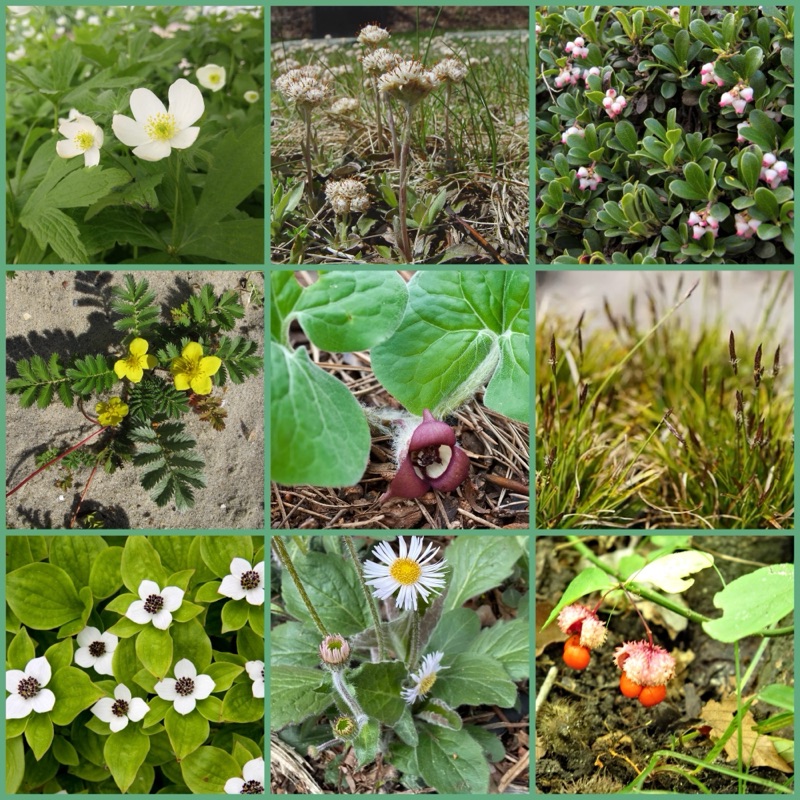
Set foot in the cool and neat world of ground covers that are native to the province of Ontario, and reveal several flowering plants that are known as ground covers which would be perfect for filling in spaces on your property.
Uncover 20 low growing plants that are native to Ontario which bloom at different times, learn all about these less talked about ground covers that call the province of Ontario their home, what they are good for, and how they benefit local pollinators and wildlife.
When it comes to ground covers for gardens the average gardener thinks about Big Leaf Periwinkle, Small Leaf Periwinkle, Lily Of The Valley, Creeping Thyme, Golden Dead Nettle, Japanese Knotweed, English Ivy, Goutweed, Purple Dead Nettle, Creeping Jenny, Bugleweed, and Buckthorn because these ground covers are the most known low growing plants for garden ground covers and local big box stores and garden centres sell these plants as ground cover plants. People love how these low growing plants can cover an area, the show that they give off in a garden, their colours, and how they fill in small or large spaces that need to be filled in a garden.
Sadly, the low growing plants that are talked about and discussed up above are all invasive plant species in the province of Ontario, and they are not good ground cover options for gardens on private property or even any green space.
The low growing plants that the average gardener doesn’t think about, and doesn’t come to mind are the ground covers that are native to the province of Ontario. These plants are less known and are not talked about as often, because they are not very well known and they don’t come to mind as often as the ground covers that are sold at big box stores, and local garden centres.
It is hard to believe that here in the province of Ontario there are 20 native low growing plants which are great for ground covers, and not many individuals are aware of these plants that are native to Ontario but this is very very true in reality.
Did you know that the 20 low growing native plants which are ground covers actually benefit the garden, local pollinators, and local wildlife? If you did or you didn’t know this about these low growing plants that we have here in Ontario, you will be aware of how important these plants are to the gardens and wildlife.
Come along with us to explore these native low growing plants that are known as ground covers, and discover how special these plants are towards our ecosystem and wildlife.
Canada Anemone (Anemone canadensis)
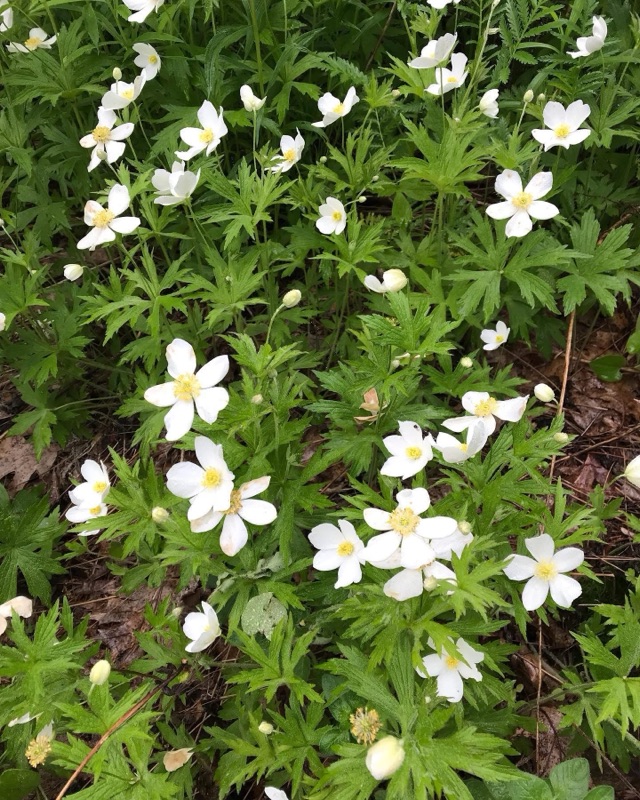 Photo Credits: Honey Petal Plants
Hardiness Zones: 3 - 7
Average Bloom: Two months of long lasting blooms from May to June.
Moisture: Consistently moist conditions, though it can tolerate some drought or flooding.
Soil: Moist and rich well drained soil with a loamy or humus - rich composition. It also can tolerate sandy, clay, and even rocky soils.
Light Exposure: Part Shade ⛅️ to Full Sun ☀️
Average Height: 1 to 2 feet
Average Width: 2 to 3 feet
Flowers: Bright white
Edible: No
*All parts of the plant are considered toxic, and if digested it can cause various adverse effects.*
Spread: Is a fast spreading plant that can be valuable for re - vegetation large areas, but requires careful consideration in smaller, and more crowded gardens to prevent it from overwhelming other plants.
Host Plant: It is a host plant for the Veiled Grass Moth and One-lined Sparganothis moth.
Attracts: It primarily attracts small native bees such as miner bees, and sweat bees. This plant also attracts syrphid flies, butterflies, and bumble bees.
The Canada Anemone (Anemone canadensis) is a hardy, perennial wildflower known for its abundant white flowers and deeply lobed leaves. It produces showy, white flowers with 5 petal-like sepals and numerous yellow stamens in the center.
The leaves are basal, meaning they grow from the base of the plant, and are deeply divided into 3-5 lobes, with 2-3 sub-lobes. They have toothed margins and prominent veins. The flowers appear on erect, hairy stems that can grow up to 2 feet tall.
Its ability to spread through rhizomes makes it an excellent ground cover option, especially in areas that tend to be moist or have difficult growing conditions. Canada Anemone is a great choice for naturalizing areas and attracting pollinators.
Field Pussytoes (Antennaria neglecta)
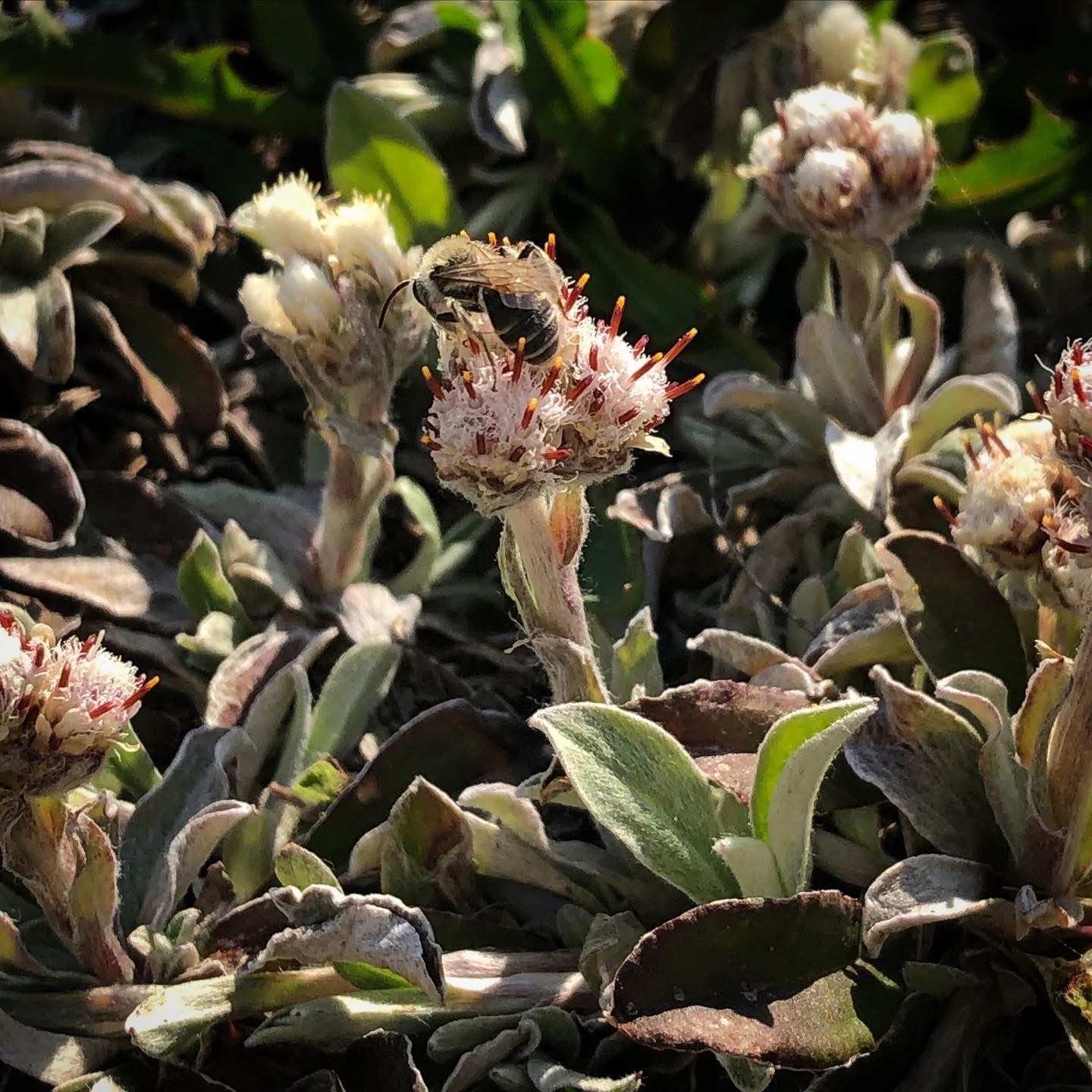 Photo Credits: Happy Apple’s Farm
Hardiness Zones: 3, 4, 5, 6, 7
Average Bloom: April and May
*Reaches full bloom by the middle of May.*
Moisture: Prefers dry to average moisture conditions.
Soil: Thrives in well drained soils particularly dry, sandy, or gravelly soils. It can also tolerate other soil types like clay and loam, as long as the soil is well drained.
Light Exposure: Partial Sun ⛅️ to Full Sun ☀️
Average Height: 1 to 12 inches
Average Width: 6 - 12 inches
Flowers: Small, fuzzy and white flower heads
Edible: Yes
*The leaves on the plant are edible, but they need to be young. They can be eaten raw or even cooked. *
Spread: The plant spreads slowly where it can spread around 3 to 6 inches per year.
Host Plant: It is a host plant to the American Lady Butterfly and Painted Lady Butterfly.
Attracts: Particularly attracts early season bees such as mining bees, sweat bees, and cuckoo bees. It also attracts various species of butterflies.
Field Pussytoes (Antennaria neglecta) is a low-growing, mat-forming perennial with soft, silvery-white leaves that spread by horizontal stems. In spring, it produces small, white, fuzzy flower heads that resemble tiny cat's feet.
The leaves are covered in soft, white hairs, giving them a silvery appearance. The flower heads are small and fluffy, resembling tiny cat paws. It forms a dense mat of foliage, making it a good ground cover for dry areas.
Bearberry (Arctostaphylos uva - ursi)
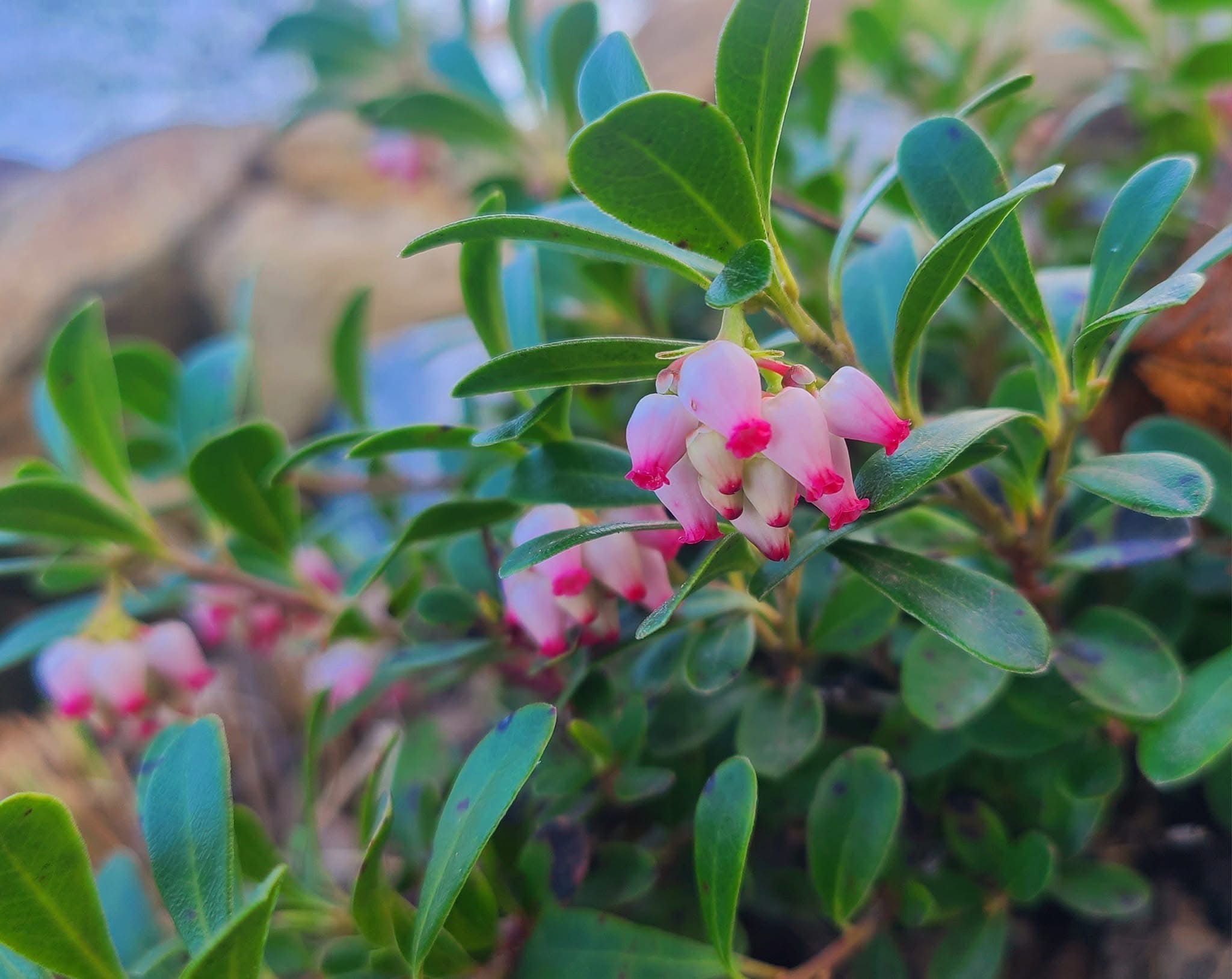 Photo Credits: The Native Plant Nerd
Hardiness Zones: 2 through 6
Average Bloom: Typically blooms from April to June
Moisture: Dry to average soil moisture as well as well drained conditions.
Soil: Bearberry is well suited for sandy or rocky soils. It does not tolerate moist or off drained sites.
Light Exposure: Full Sun ☀️ to Partial shade 🌥️
Average Height: 6 - 12 inches
Average Width: 3 - 6 feet
Flowers: Small white to pink and urn shaped.
Edible: Yes
*The fruit (berries) of the plant I are edible. The berries are considered dry and mealy when raw, but they can be cooked into jams;preserves;or used to flavour dishes.
Spread: Bearberry is slow growing initially, but eventually spreads rapidly forming dense mats. It spreads 6 to 12 inches per year, and takes about 3 - 5 years for the plant to reach their full size.
Host Plant: It is a host plant for the Hoary Elfin Butterfly, Brown Elfin Butterfly, and Freija Fritillary Butterfly.
Attracts: It attracts hummingbirds, bees, and butterflies.
Bearberry (Arctostaphylos uva-ursi) is a low-growing, evergreen shrub that forms dense mats, often used as ground cover.
The leaves are small, glossy, and dark green, with a leathery texture. They are alternate, ovate-shaped, and have entire margins. In some areas, the foliage may turn reddish or purple in winter before returning to green in spring.
Bearberry produces small, white to pink, urn-shaped flowers that hang in clusters from the branches. They bloom in late spring and early summer.
The flowers are followed by bright red berries, which are edible but often dry and flavorless. The berries are slow to rot and provide food for wildlife, especially during winter.
Silverweed (Argentina anserina)
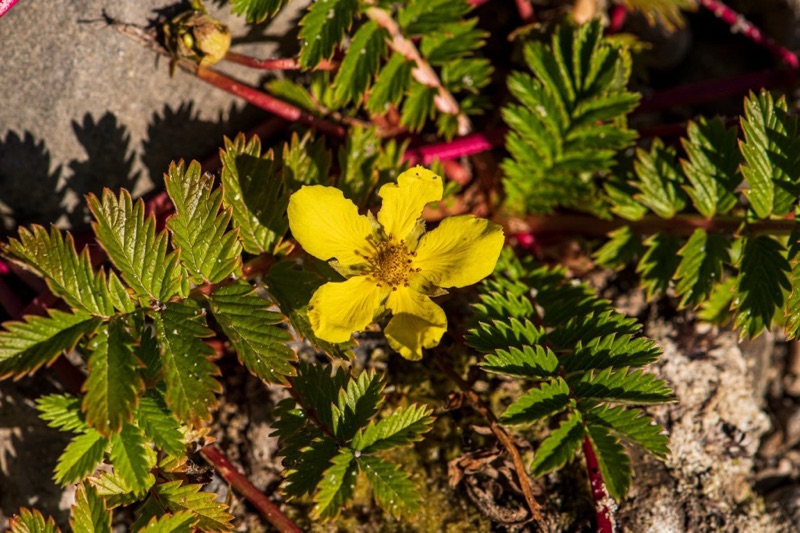 Photo Credits: William Blaker
Hardiness Zones: 4, 5, 6, 7
Average Bloom: The primary bloom for Silverweed in Ontario is generally from June to August, with some plants blooming as early as May.
*The exact timing of the blooming can slightly depend on the specific location and weather conditions.*
Moisture: Moist to wet soil
*The plant thrives areas with consistent moisture. It can tolerate wet conditions, even near water, and will spread well in moist to wet soils. *
Soil: Silverweed thrives in a variety of soil types including sandy, loamy, and clay as long as they’re moist as well as being well drained.
Light Exposure: Silverweed does well in full sun, with 6 or more hours of direct sunlight per day. It also thrives in areas with 4 to 6 hours of direct sunlight. Silverweed can even grow in light shade, which is considered to be zero to four hours of direct sunlight.
Average Height: Typically has a height of 2 to 8 inches (5 to 20 cm), but Silverweed can get up to a height of 12 inches (30 cm).
Average Width: It typically has a width of 1 to 3 feet (30 to 90 cm).
Flowers: Bright yellow and buttercup like
Edible: Yes, Silverweed is an edible plant and can be digested. All parts of the plant, including the leaves and roots, are safe to consume. The leaves can be added to salads, incorporated into stews, or used to make herbal tea. The roots, particularly when harvested in the autumn or spring, can be eaten raw, cooked, or dried. Some people find them to have a flavor similar to parsnips or sweet potatoes.
Spread: It is known as a fast spreader in gardens and any green space. Silverweed spreads vigorously through runners and rhizomes, allowing it to rapidly colonize new areas.
*The underground stems of Silverweed, the plant’s seeds, moist and wet environment, the soil type, and the type of garden it is planted in can favour in the spread of Silverweed. *
Host Plant: It is a host plant for the Eastern Tailed Blue Butterfly, Hoary Edge Skipper Butterfly, and Grey Hairstreak Butterfly.
*A lot of sources especially online have said that the Spicebush Swallowtail uses Silverweed as a host plant, but in reality this isn’t true and it isn’t a host plant for this butterfly. *
Attracts: The bright yellow flowers of Silverweed are a nectar source for bees and butterflies. The foliage and flowers of the plant attract deer, geese, and other small animals because they are attracted to bright colours as well this plant provides a food source for wildlife.
Silverweed (Argentina anserina) is a low-growing, perennial herb with silvery foliage and yellow flowers. It features creeping stems (stolons) that form rosettes of leaves. The leaves are pinnately compound, with numerous, saw-toothed leaflets. The flowers are solitary, 5-petaled, and yellow.
Note 📝: Silverweed is a medicinal herb and it should not be consumed for long periods or in large quantities. Consuming too much can lead to side effects such as stomach aches.
Wild Ginger (Asarum canadense)
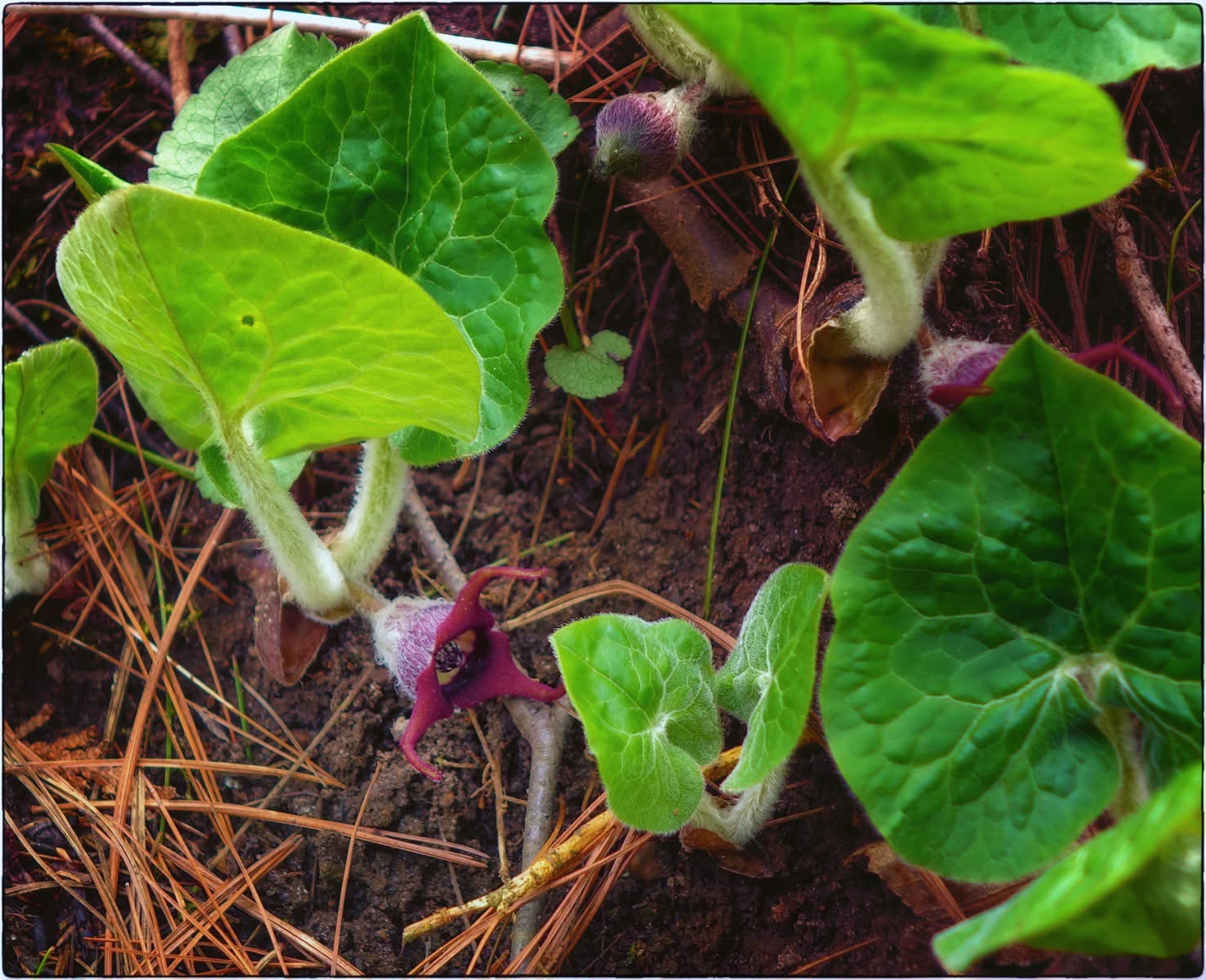 Photo Credits: Randy Sutherland
Hardiness Zones: 2,3,4,5,6,7
Average Bloom: The most common blooming period being from April to May. However, it can bloom as early as March or extend into June, depending on the specific location and weather conditions.
Moisture: Wild Ginger thrives in areas that are moist but has good drainage.
*This plant does not like to be waterlogged, so don’t over water the plant. Just give it the amount of water it needs. *
Soil: Rich and moist well drained soil that is slightly acidic, with a pH range of 6.0 to 6.5.
*For soils Wild Ginger prefers loamy or humus rich soil, which provides good drainage and moisture retention. *
Light Exposure: It is happiest in areas that receive dappled sunlight or filtered shade from trees. Wild Ginger can also tolerate full shade, as long as the soil is moist and rich.
*Avoid direct sunlight! Direct, prolonged exposure to the sun, especially during the hottest part of the day, can damage the plant's leaves. *
Average Height: 6 - 12 inches (15 - 30 cm) tall
Average Width: 12 - 18 inches (30 - 45 cm) wide
Flowers: Purplish brown and bell shaped
Edible: No
Spread: Wild Ginger is not considered as a fast spreader in typical conditions, but this plant can spread moderately. The exact rate of spread can vary, but they typically expand a few inches per year.
Host Plant: It is a host plant for the Pipevine Swallowtail butterfly and the Bold - feathered grass moth.
Attracts: The flowers on Wild Ginger attracts flies and gnats to help with pollination. The seeds of the Wild Ginger plant attracts ants.
Wild Ginger (Asarum canadense) is a low-growing ground cover that thrives in shade, with heart-shaped leaves and bell-shaped, brownish-purple flowers that emerge in early spring.
Note 📝: While the root has a flavor similar to ginger, it's not edible and can be toxic.
Oak Sedge (Carex pensylvanica)
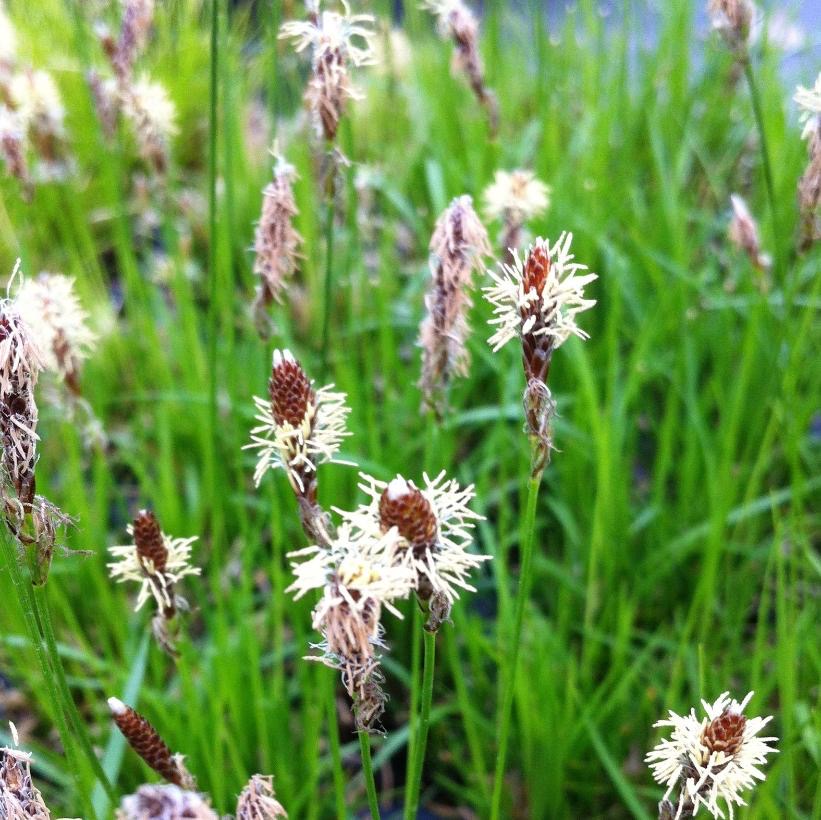 Photo Credits: NVK NURSERIES
Hardiness Zones: 3, 4, 5,6,7,8
Average Bloom: May
Moisture: Oak Sedge is adaptable and can grow in both dry and average moisture conditions.
*Even though it is an adaptable plant Oak Sedge does not do well in areas that are excessively wet. *
* It prefers dry to medium moisture conditions, not overly wet or dry. *
Soil: Oak sedge prefers soils that are not too heavy or compacted. While it can tolerate a range of soils, it thrives best in well-draining conditions.
Light Exposure: It can tolerate a range of light conditions from partial shade ⛅️ to full shade ☁️.
*Oak Sedge thrives in areas with dappled shade or morning sun followed by afternoon shade. While it can handle full sun, it prefers more shade, especially during the hottest part of the day. *
Average Height: It typically grows to a height of 6 to 12 inches.
Average Width: It has a mature width of 12 to 18 inches.
Flowers:Small and creamy white in colour
Edible: No
*Even though there are some Sedges that are edible, Oak Sedge is not edible and is not considered an edible plant.*
Spread: Oak Sedge is considered as a slow spreading plant. It spreads by their underground stems and the seeds that it produces. This plant typically spreads 3 to 6 inches per year.
Host Plant: It is a host plant for two local butterflies which are the Duke’s Skipper and the Dun Skipper.
Attracts: It primarily attracts birds and insects. Birds, like finches, chickadees, and cardinals, are drawn to the seeds. For insects, caterpillars of various butterfly species use this as a larval host plant. It also provides soft landings for caterpillars falling from host trees.
Oak Sedge (Carex pensylvanica) is a non-aggressive, shade-tolerant sedge, often used as a groundcover or in shade gardens. It features narrow, grass-like, bright green leaves that form dense or loose tufts. In late spring, slender stalks produce small, creamy-yellow flowers.
Bunchberry Dogwood (Cornus candensis)
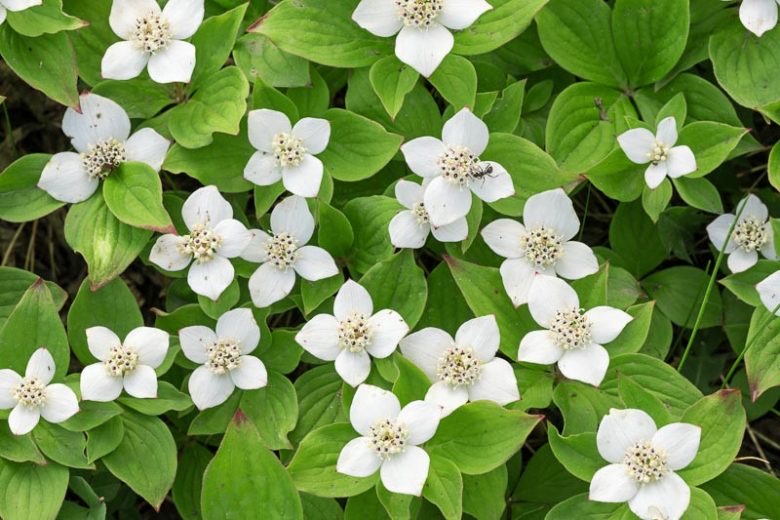 Photo Credits: Shutterstock
Hardiness Zones: 2,3,4,5,6,7
Average Bloom: It typically blooms in late spring to early summer averaging from May to June. However, cold temperatures can sometimes delay the bloom time.
Moisture: Bunchberry Dogwood thrives in areas that have moist conditions that are consistent.
*It can tolerate some dryness, but Bunchberry Dogwood will struggle in consistent dry conditions.*
Soil: It thrives in moist, well drained soils that are slightly acidic and rich in organic matter, like humus or loam. It can also tolerate sandy soils if moisture is not a limiting factor.
Light Exposure: Bunchberry Dogwood prefers partial shade, with around 3-6 hours of sunlight daily. It can tolerate full shade, but growth and flowering will be reduced. Bunchberry Dogwood can tolerate full sun if the soil is kept consistently moist, as they are intolerant of dry conditions.
Average Height: The plant reaches a height of 10 - 15 cm which is between 4 and 6 inches.
Average Width: The plant reaches a width of 30 to 60 cm which is between 12 and 24 inches.
Flowers: Creamy white and star shaped
Edible: Yes
*The fruit (berries) of Bunchberry Dogwood is edible to humans. They are known to be bland in flavor, but the crunchy poppy-like seeds inside are considered enjoyable. The berries can be added to jams and jellies to help them gel due to their pectin content.
Spread: It is not considered a fast growing plant, but it will spread over time through rhizomes, forming large colonies in suitable conditions. Initially, it may take a few years to become established, but once it's set, it can spread quite rapidly, forming dense patches.
Host Plant: Bunchberry Dogwood is a host plant for the lo Moth, Crocus Geometer Moth, Bunchberry leafroller Moth, Spring Azure Butterfly, and Summer Azure Butterfly.
Attracts: The flowers attract mining bees, sweat bees, bumble bees, and various butterfly species. The foliage (leaves) are a food source for some butterfly and moth caterpillars. The berries on the plant attracts songbirds and small mammals.
Bunchberry Dogwood (Cornus canadensis) is a low-growing, semi-evergreen ground cover plant that thrives in shady, moist conditions. It features white, star-shaped flowers in spring, followed by bright red, clustered berries in the fall. These berries are edible and attractive to birds and small mammals. Bunchberry spreads through underground stems and is often found in woodland areas.
Robin’s Plantain (Erigeron pulchellus)
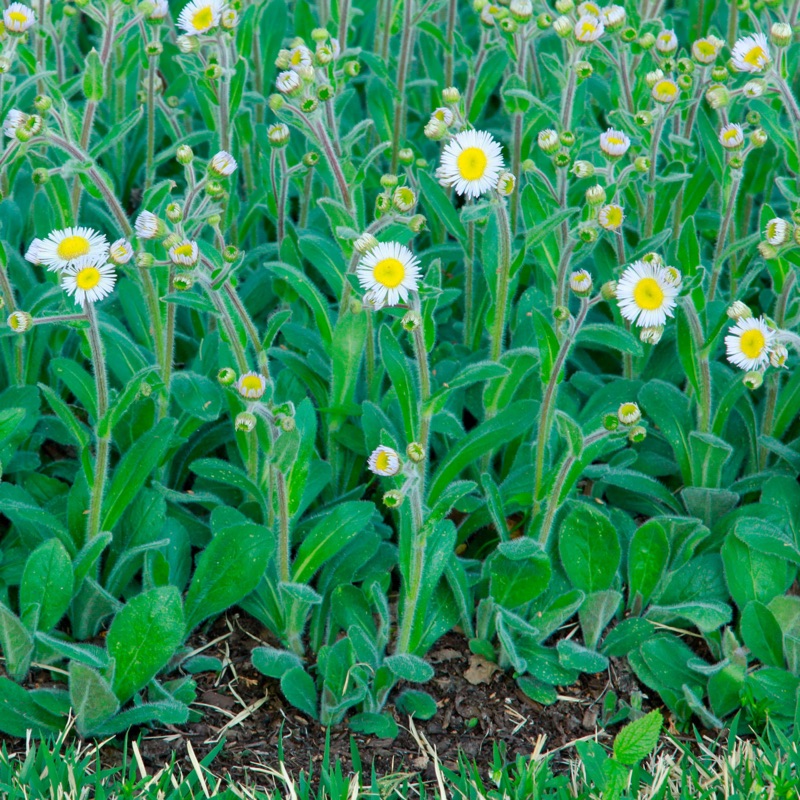 Photo Credits: Missouri Wildflowers Nursery
Hardiness Zones: 5 and 6
Average Bloom: The blooming season typically occurs from mid spring to early summer which is around May to June.
Moisture: Robin’s Plantain tolerates a range of moisture conditions, from moist to dry.
Soil: Soils that are clay, loamy, sandy, and gravelly that are well drained.
Light Exposure: Robin’s Plantain typically thrives in full sun to partial shade conditions.
Average Height: It typically reaches an average height of 10 to 24 inches (25 to 60 cm).
Average Width: Typically reaches an average width of 12 to 16 inches (30 to 40 cm).
Flowers: Small daisy like flowers that are white or pale lavender - blue in colour.
Edible: No
Spread: Slow spread
Host Plant: It is a host plant for the Pearl Crescent Butterfly.
Attracts: The flowers attract small bees and small butterflies. The foliage (leaves) of the plant is a food source for a local butterfly species. The seeds of Robin’s Plantain provide a food source for small rodents and birds.
Robin’s Plantain (Erigeron pulchellus) is a showy, early-blooming perennial with daisy-like flowers, often in shades of lavender-blue or white with yellow centers. It has a rosette of basal leaves and spreads by rhizomes, forming colonies. The plant is known for its attractive ground cover and can be found in open woodlands, wooded bluffs, and stream banks.
Running Strawberry (Euonymus obovatus)
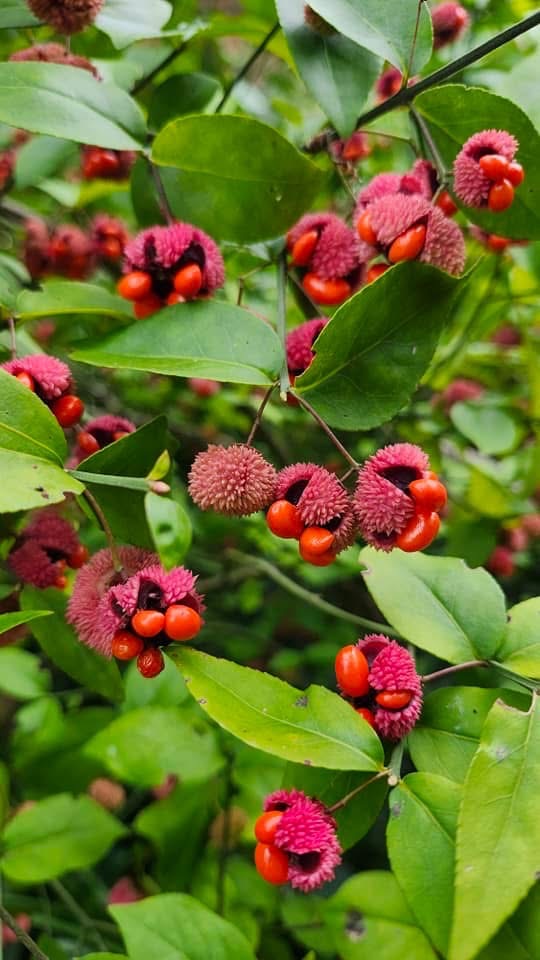 Photo Credits: Ann Hardy from Virginia Native Plant Society
Hardiness Zones: 4,5,6,7,8,9
Average Bloom: Typically occurs in Late spring to early summer from May to June.
Moisture: Moist to slightly dry conditions
Soil: Running Strawberry thrives in well drained soils that are loamy or sandy.
Light Exposure: Running strawberry bush is happy with dappled shade or partial sun, which provides a good balance of light and shade.
Average Height: Typically has a height of 12 to 24 inches.
Average Width: Typically has a width of 24 to 36 inches.
Flowers: Small and inconspicuous that are pale green with purple stamens.
Edible: No
Spread: Running Strawberry is considered a fast spreading plant. The plant spreads a few inches per year.
Host Plant: It is a host plant for the Grey Hairstreak Butterfly, Cecropia Moth, American Ermine Moth, Zigzag Herpetogramma Moth, and Black - shaded Platynota Moth.
Attracts: The flowers on a Running Strawberry attracts bumblebees, sweat bees, cuckoo bees, hoverflies, sulphur butterflies, hairstreak butterflies, and skipper butterflies. The berries on this plant attracts a wide variety of wildlife including birds, small animals, and deer.
Running Strawberry (Euonymus obovatus) is a trailing woodland groundcover.
The plant has trailing stems that can root where they touch the ground, leading to new plant growth and spreading.
Its leaves are obovate (oval with the broader end at the tip) and turn a striking burgundy color in the fall.
In spring, it produces small, inconspicuous greenish flowers. These are followed by round, 3-lobed fruits with orange or pink cells that split open to reveal scarlet arils.
Running Strawberry Bush is known for its trailing stems, obovate (widest at the tip) leaves, and ability to root at the nodes of its stems. Unlike strawberries, it doesn't produce edible berries, but instead develops a capsule-like fruit with seeds.
Big Leaf Aster (Eurybia macrophylla)
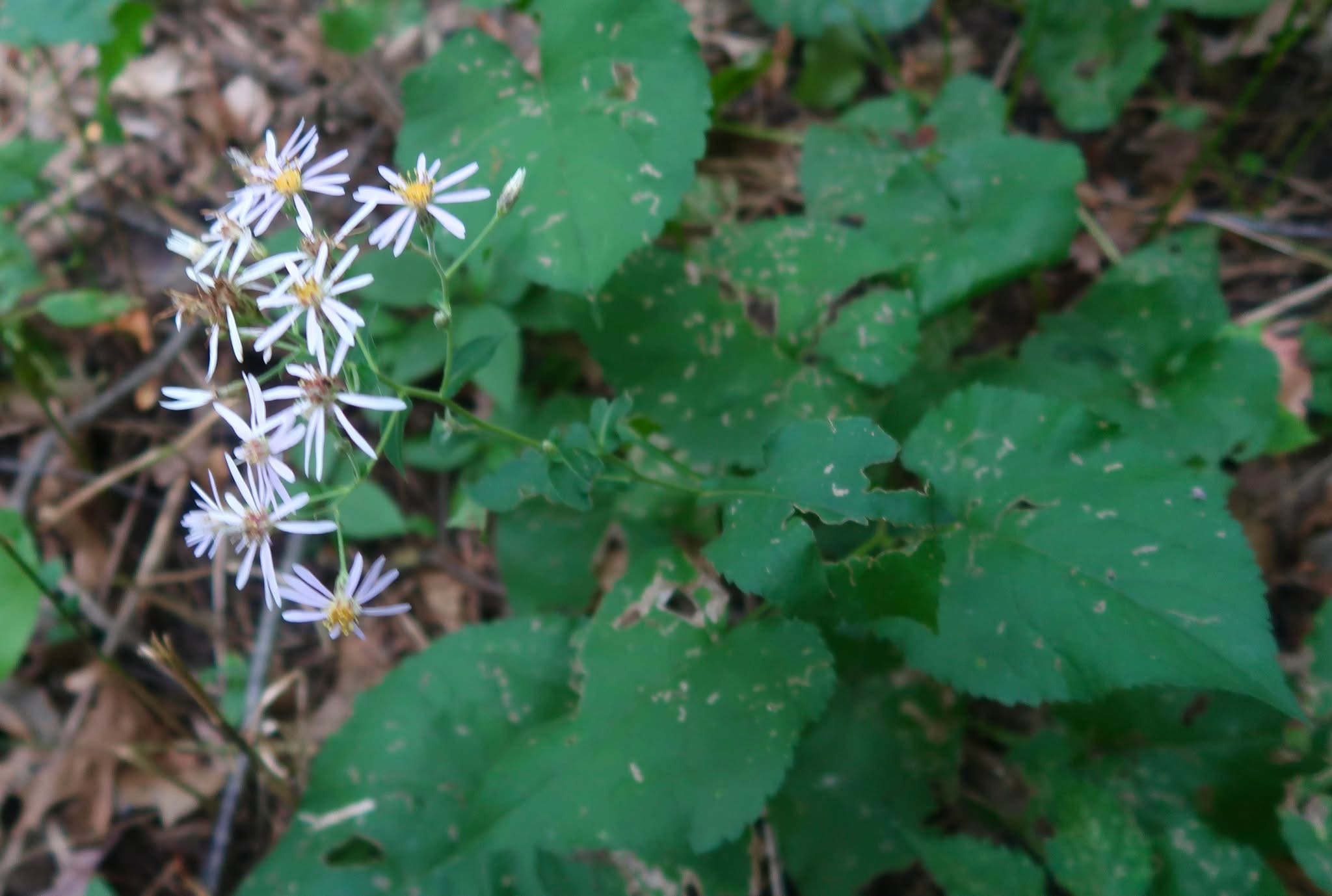 Photo Credits: John Jay Smith from Indiana Native Plant Society
Hardiness Zones: 3,4,5,6,7
Average Bloom: Typically blooms from August through October.
Moisture: It can tolerate both dry and moist conditions in areas, but consistently moist is ideal for Big Leaf Aster.
Soil: Big Leaf Aster thrives in well drained soils that are sandy, loamy, or even clay that has organic matter in it.
Light Exposure: Part Sun ⛅️ to Part Shade 🌥️
Average Height: Typically reaches a height of 2 to 4 feet.
Average Width: Typically reaches a width of 2 to 4 feet.
Flowers: Small and flat topped that are pale blue to violet in colour.
Edible: Yes Big Leaf Aster is edible, and there are specific parts of the plant that are edible to humans.
*The very young leaves of Bigleaf Aster are edible and can be cooked and eaten as greens. The roots can also be cooked and used in soups. *
Spread: Spreads non aggressively
Host Plant: It is a host plant for the Pearl Crescent Butterfly, Silvery Checkerspot Butterfly, Aster Borer Moth, Goldenrod Hooded Owlet Moth, and Arcigera Flower Moth.
Attracts: The flowers on a Big Leaf Aster attracts bumblebees, long - horned bees, yellow - faced bees, sweat bees, skipper butterflies, sulphur butterflies, hairstreak butterflies, hoverflies, and bee like flies.
Big Leaf Aster (Eurybia macrophylla) is a perennial wildflower that is characterized by their large heart-shaped, and coarsely toothed leaves that are 4-8 inches wide (10-20 cm), dark green in colour, slightly hairy, and borne on long leaf stalks.
It produces small, flat-topped clusters of violet or white daisies with yellow or rose-colored centers.
The ray florets (petals) are thin and unevenly spaced. The disk florets (center) have yellow centers that may turn reddish with age.
Field Strawberry (Fragaria virginiana)
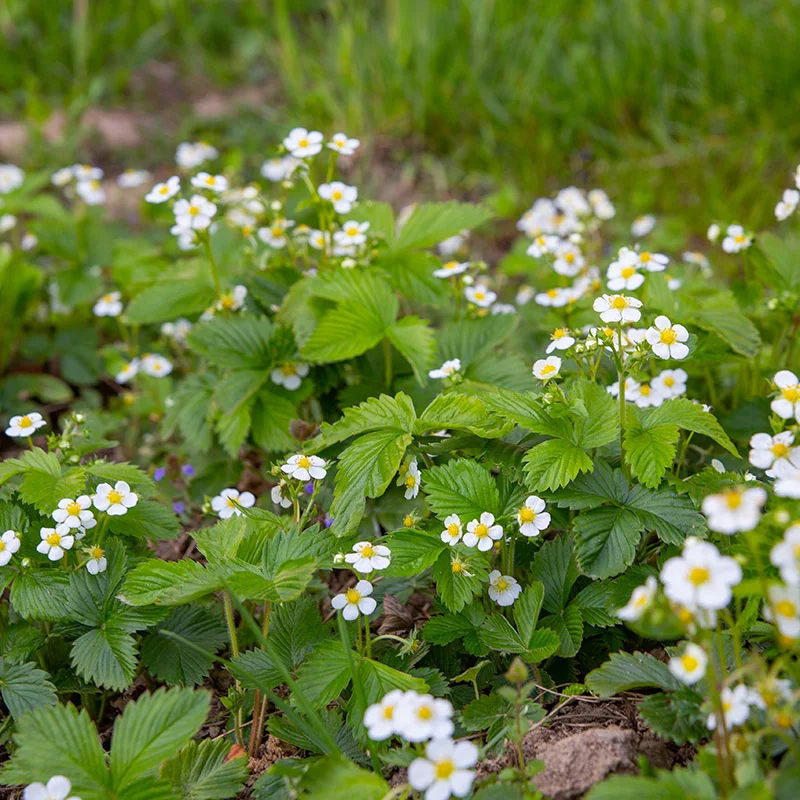 Photo Credits: American Meadows
Hardiness Zones: 3,4,5,6,7,8,9
Average Bloom: Typically occurs from late spring to early summer which is usually from April to June.
Moisture: It can tolerate a range of moisture levels, from damp to moderately dry conditions.
Soil: Sandy loam or loam soils are ideal for Field Strawberry, but the plant can also handle clay soils.
Light Exposure: Full Sun ☀️ to Partial Shade ⛅️
Average Height: Typically reaches a height of 4 to 7 inches.
Average Width: Typically reaches a width of 12 to 24 inches.
Flowers: Small and white that have five petals.
Edible: Yes Field Strawberry is an edible plant, but has a specific part that is edible to humans.
*The fruit (berries) 🍓 and the leaves 🍃 (foliage) are edible. The small, red berries are delicious and can be eaten fresh, cooked, or used in preserves. The dried leaves can also be used to make a pleasant tea. *
Spread: It is a fast spreading plant that spreads by the root along the ground,and their seeds.
Host Plant: Field Strawberry is a host plant for the Grey Hairstreak butterfly, Smeared Dagger Moth, Crocus Geometer Moth, Smith’s Dart Moth, and Purple - lined Sallow Moth.
Attracts: The flowers attract sweat bees, cuckoo bees, mason bees, andrenid bees, skipper butterflies, hairstreak butterflies, sulphur butterflies, hoverflies, and bee like flies. The fruit (berries) of the Field Strawberry attracts a wide range of birds, and small mammals.
Field Strawberry (Fragaria virginiana) a ground-hugging herbaceous perennial with a spreading, ground-hugging habit. It features trifoliate leaves (three leaflets) with toothed edges, hairy surfaces, and white, cup-shaped flowers. The plant spreads by runners (stolons) that root and form new plants, often creating large colonies.
Virginia Waterleaf (Hydrophyllum virginianum)
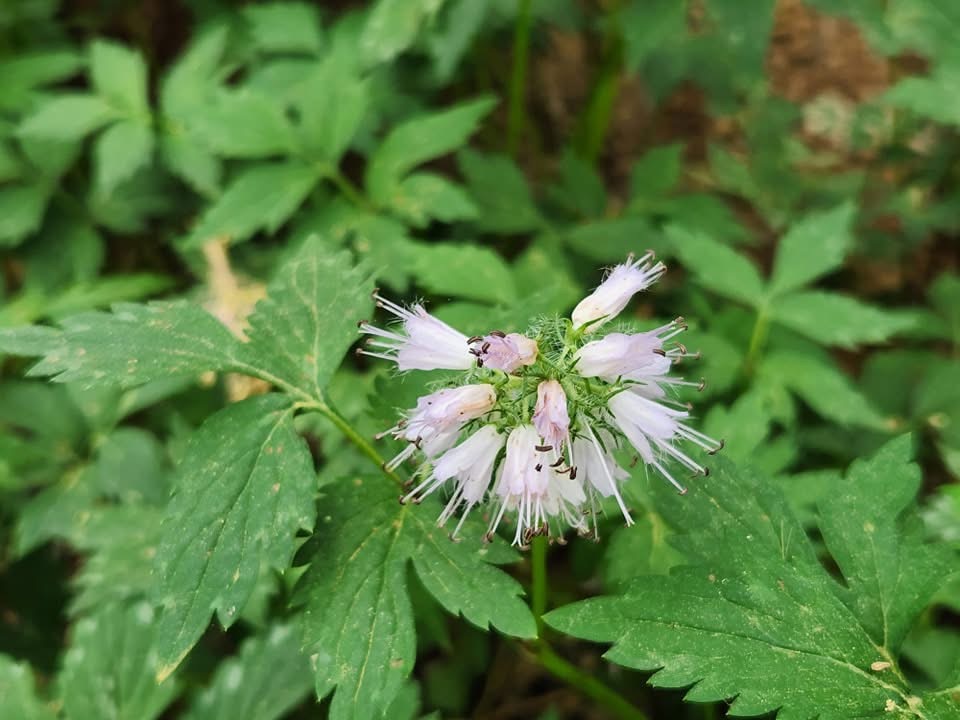 Photo Credits: Wild Ones Nova Chapter
Hardiness Zones: 4,5,6,7,8
Average Bloom: Late May to early June
Moisture: Moist areas that are well drained. While it can tolerate slightly drier conditions, it prefers consistently moist environments.
Soil: Virginia Waterleaf thrives in moist, rich, organically - rich loam soils. It can tolerate sandy or clay soils as well.
Light Exposure: It thrives in partial shade to full shade.
Average Height: Typically reaches a height of 1 to 2 feet.
Average Width: Typically reaches a width of 1 to 2 feet.
Flowers: Small and bell shaped that are white to lilac in colour.
Edible: Yes the Virginia Waterleaf is edible, but there are specific parts of the plant that are edible to humans.
* The young leaves and shoots are the most common edible parts. They are often eaten raw in salads or cooked as a potherb. It's best to use the young leaves before they become bitter with age. *
Spread: Spreads relatively quickly
Host Plant: It is a host plant for some local butterfly species including the Common Checkered Skipper, Eastern Tailed Blue, Hoary Edge Skipper, Grey Hairstreak, and Silver Spotted Skipper.
Attracts: It primarily attracts some of our local bee species that are specialist bees including waterleaf cuckoo bee, mining bees, mason bees, sweat bees, small carpenter bees, long - horned bees, and bumble bees.
Virginia Waterleaf (Hydrophyllum virginianum) is a perennial woodland plant known for its unique, water-marked foliage and bell-shaped flowers.
The leaves are pinnately compound with sharply toothed margins, deeply lobed, and often have white spots resembling water stains.
The flowers are bell - shaped that are white to light purple with long and hairy stamens, which appear in clusters on long stalks.
Creeping Juniper (Juniperus horizontalis)
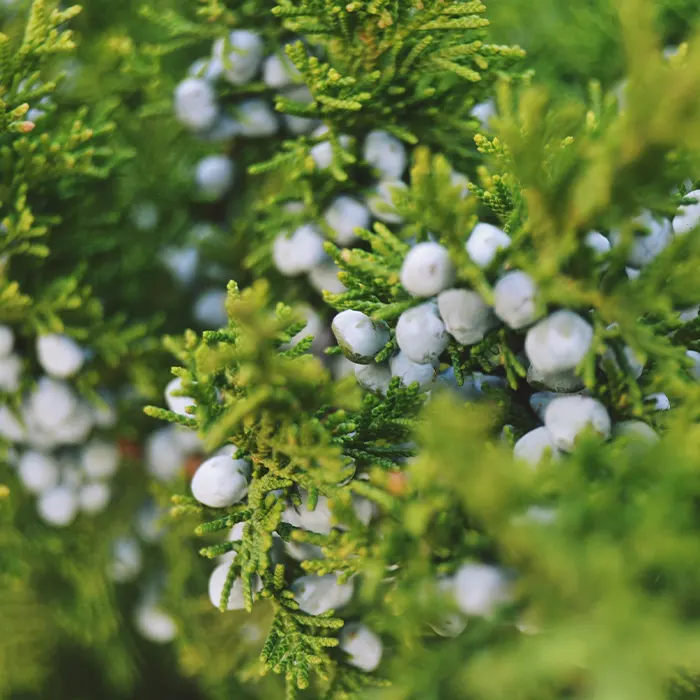 Photo Credits: Zebra Landscaping
Hardiness Zones: 3,4,5,6,7
Average Bloom: Creeping Juniper does not bloom, but instead it produces small inconspicuous cones that are berry-like in appearance. These cones develop after a period of several years.
Moisture: Moderate moisture
*Once established, Creeping Juniper becomes quite drought-tolerant and can often survive on rainfall alone. In general, creeping juniper should be watered when the top two inches of soil feel dry. *
Soil: Creeping Juniper prefers well-draining soil, such as sandy or rocky soils. While they can tolerate various soil types, they are less tolerant of heavy clay soils that retain too much water.
Light Exposure: Creeping junipers is a sun worshiper and needs ample sunlight to grow and spread properly. Insufficient light can result in stunted growth, less dense foliage, and a less vibrant colour.
* Aim for a location that receives at least six hours of direct sunlight daily. A south-facing location often provides the best sunlight exposure. *
Average Height: Typically has a height of 6 to 18 inches (15-45 cm).
Average Width: Typically has a width of 5 - 8 feet.
Flowers: Creeping Juniper does not have any flowers, because this plant does not produce flowers. It produces berries that small, berry-like cones that start bluish-green and ripen to a dark, frosty blue.
Edible: Yes Creeping Juniper is edible to humans, but there is a specific part of the plant that is edible.
*The berries (fruit) of the Creeping Juniper are edible. You can either use the berries fresh or dry. Fresh or dried, the flavor is strongest when the berries are crushed. The berries can be added whole or crushed to various dishes, marinades, or used to make tea, syrup, or even infused into vinegar or alcohol. *
Spread: Creeping Juniper is generally considered as a fast spreader. While the exact spread rate can vary depending on the specific variety, they are known for forming dense mats and covering ground quickly.
Host Plant: It is a host plant to the Juniper Hairstreak butterfly and the Juniper Tip Moth.
Attracts: Creeping Juniper primarily attracts birds which are drawn to the berries that the plant produces. Birds are also drawn to this plant as shelter and protection from inclement weather and predators. Voles and Deer occasionally feed on the berries and galls of Creeping Juniper. It also attracts some ant species, because some build their nests in the shelter of the mated leaves.
Creeping Juniper (Juniperus horizontalis) is a low-growing, evergreen shrub known for its ground-covering habit and blue-green foliage that can turn purple in winter.
It features slender, horizontal branches that often spread to form a dense, mat-like groundcover. The leaves are scale-like, small, and oppositely arranged. It's known for its drought tolerance and ability to thrive in various soil types, making it a popular choice for ground cover and erosion control.
Note 📝: While not particularly toxic, creeping juniper's berries (actually seed cones) can cause mild stomach upset if consumed in large quantities. It's generally considered safe in small amounts, but caution should be exercised, especially with children. Ingesting large amounts of creeping juniper berries may lead to upset stomach, vomiting, diarrhea, and, in rare cases, kidney problems.
Partridge Berry (Mitchella reopens)
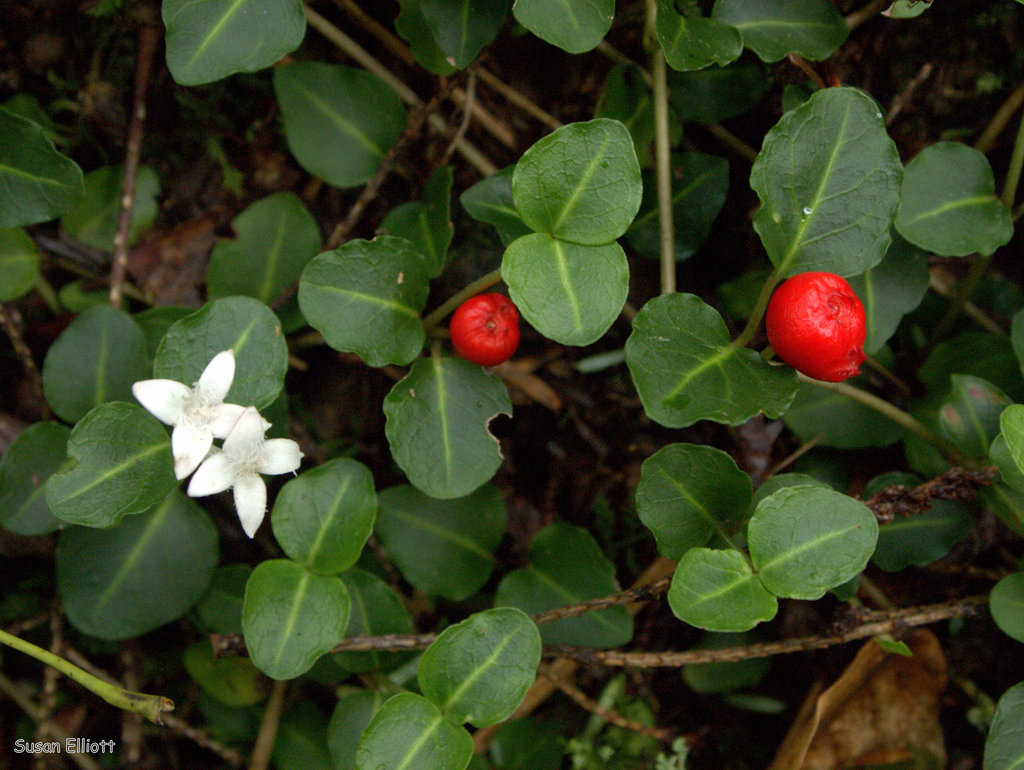 Photo Credits: Susan Elliott
Hardiness Zones: 3,4,5,6,7,8
Average Bloom: Typically blooms from late spring through early summer, with the average bloom being May to June.
Moisture: Slightly moist to dry conditions
Soil: Humus - rich, moist, acidic, and well drained soils that have organic matter in them.
Light Exposure: Partial Shade 🌥️ to Full Shade ☁️
Average Height: Typically reaches a height of 1 or 2 inches.
Average Width: Typically reaches a width of 10 to 14 inches.
Flowers: Small flowers that are white to pinkish - white in colour and tubular shape.
Edible: Yes Partridge Berry is edible to humans, but there is a specific part of the plant that is edible.
*The berries (fruit) of the plant are edible to humans. They are described as having a mild, slightly sweet taste, similar to wintergreen or cranberries, but often described as bland. *
Note 📝: While not a particularly flavorful or abundant food source, they can be eaten safely, especially in a survival situation or as a small snack while foraging.
Spread: Slow spreading
Host Plant: No it is not a host plant to any local butterfly species and moth species.
Attracts: The flowers on a Partridge Berry Plant attracts some native bee species such as mining bees, mason bees, mining bees, sweat bees, and bumblebees. The berries (fruit) of the plant attracts birds, small mammals, and deer.
Partridge Berry (Mitchella reopens) is a small, ever green, trailing ground cover plant with opposite, oval-shaped leaves that are glossy and dark green.
This plant has trailing stems that can grow up to 12 feet long, forming a low mat.
The flowers are small white to pinkish - white in colour, which blooms in pairs during the spring.
The berries (drupes) are bright read that are visible from late summer through winter.
Canada Mayflower (Maianthemum canadense)
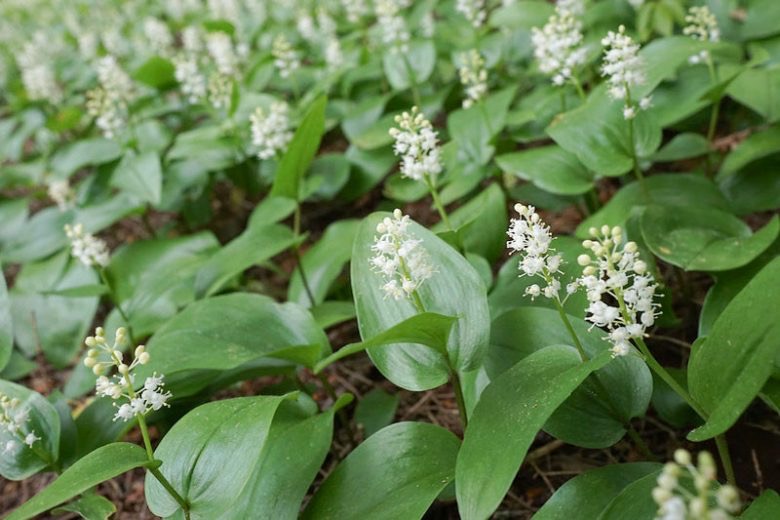 Photo Credits: Doug McGrady from Flickr
Hardiness Zones: 3,4,5,6,7,8
*Even though Canada Mayflower has the hardiness zones from 3 through 8, the most ideal hardiness zone for the plant is 6.*
Average Bloom: Typically blooms from late spring to early summer, which is generally between May and June.
Moisture: Consistently moist conditions
Soil: Humus - rich to slightly acidic soil
Light Exposure: Thrives in partial shade to full shade. Even though it can tolerate full shade it prefers to have indirect sunlight for 2 to 6 hours per day, to help with its growth and blooms.
Average Height: Typically reaches a height of 3 to 8 inches (7.5 to 20 cm).
Average Width: Typically reaches a width of 10 to 14 inches (25 to 35 cm).
Flowers: Tiny white and star shaped
Edible: The young leaves and berries on Canada Mayflower are edible to humans. The berries can be eaten raw, cooked, or made into jams and jellies. The young leaves The young leaves can also be eaten raw or cooked, offering a mild flavour.
Notes 📝: Both the berries and the young leaves of Canada Mayflower should be eaten in moderation due to their purgative effect. If the young leaves and berries are eaten in big amounts can cause mild discomfort such as upset stomach, or allergic reactions in some people.
Spread: Slowly spreads to form a colony
Host Plant: It is not a known host plant for any local butterfly species and moth species.
Attracts: The flowers on the Canada Mayflower attracts solitary bees, bee flies, syrphids, and bumblebees. The red berries on the Canada Mayflower attract a variety of local wildlife such as birds, small mammals, and some larger animals.
Canada Mayflower (Mianthemum canadense) is a small perennial plant that is characterized by it’s smooth, elongated heart-shaped leaves, small white or cream coloured flowers that are arranged in a terminal cluster which bloom in spring, and after the flowers are done the plant produces small, spotted yellow beige berries that ripen to a light red colour.
Golden Ragwort (Packera aurea)
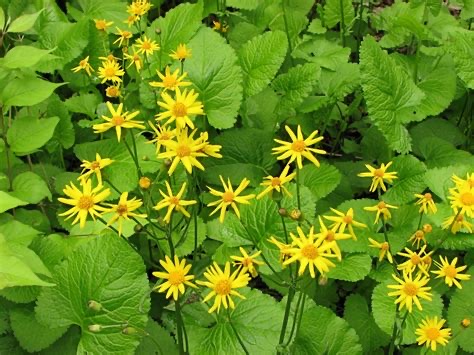 Photo Credits: Plant Buying Collective
Hardiness Zones: 3,4,5,6,7,8,9
Note 📝: Even though Golden Ragwort grows well in hardiness zones 3 through 9, it is the most hardy in zones 4 through 9.
Average Bloom: Typically is from April to June but in more southern locations in Ontario the plant can bloom from February to April.
Moisture: Moist to wet conditions
Soil: Clay and loamy soils that are slightly acidic and well drained.
Light Exposure: Full Sun ☀️ to Light Shade 🌥️
Average Height: Typically reaches a height of 12 to 30 inches.
Average Width: Typically reaches a width of 6 to 18 inches.
Flowers: bright yellow and daisy like
Edible: No
Spread: Golden Ragwort is considered a fast spreading plant due to its ability to propagate both through rhizomes and seeds.
Host Plant: No it is not a host plant to any local butterfly species and moth species.
Attracts: The flowers of Golden Ragwort attracts sweat bees, cuckoo bees, carpenter bees, various halictid bees, butterflies, and small flies.
Golden Ragwort (Packera aurea) is a showy perennial that is characterized by its flat-topped clusters of bright yellow, daisy-like flowers that appear in early spring.
The plant features heart-shaped, dark green basal leaves with purplish undersides, and its foliage serves as a good ground cover.
Golden Ragwort spreads readily by seed and rhizomes, making it a naturalizer in moist to dry, shady woodlands, and other areas like bog gardens and rain gardens.
Bloodroot (Sanguinaria canadensis)
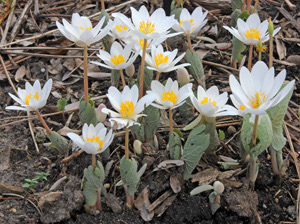 Photo Credits: Wisconsin Horticulture
Hardiness Zones: 3,4,5,6,7,8
Note 📝: This means it can be grown in most areas of the province, particularly those with milder winters.
Average Bloom: It typically blooms from late April to early May.
Moisture: Bloodroot thrives in areas that have consistently moist conditions. They don’t like to be overwatered, which leads to waterlogged.
Soil: Bloodroot thrives in moist, well-drained soils that are rich in humus or loam. It prefers a soil that is not waterlogged but retains some moisture.
Light Exposure: It prefers partial shade to full shade
Average Height: Typically reaches a height of 6 to 12 inches.
Average Width: Typically reaches a width of 3 to 6 inches.
Flowers: Brilliantly white and cup shaped
Edible: No
Spread: Grows and spreads slowly
Host Plant: It is a host plant for the Tufted Apple Bud Moth.
Attracts: The flowers on the Bloodroot primarily attracts mason bees and mining bees. Occasionally small flies and beetles go to the flowers.
Bloodroot (Sanguinaria canadensis) is a a native North American wildflower known for its large basal and deeply lobed leaves that resemble a waterlily, bright white flowers with numerous petals that have a golden orange centre with numerous yellow stamens that open during the day and close at night.
The plant has a thick, shallow rhizome (underground stem) that contains the reddish-orange sap.
Bloodroot is a spring ephemeral, meaning it goes dormant in the summer.
Heart - leaf Foamflower (Tiarella cordifolia)
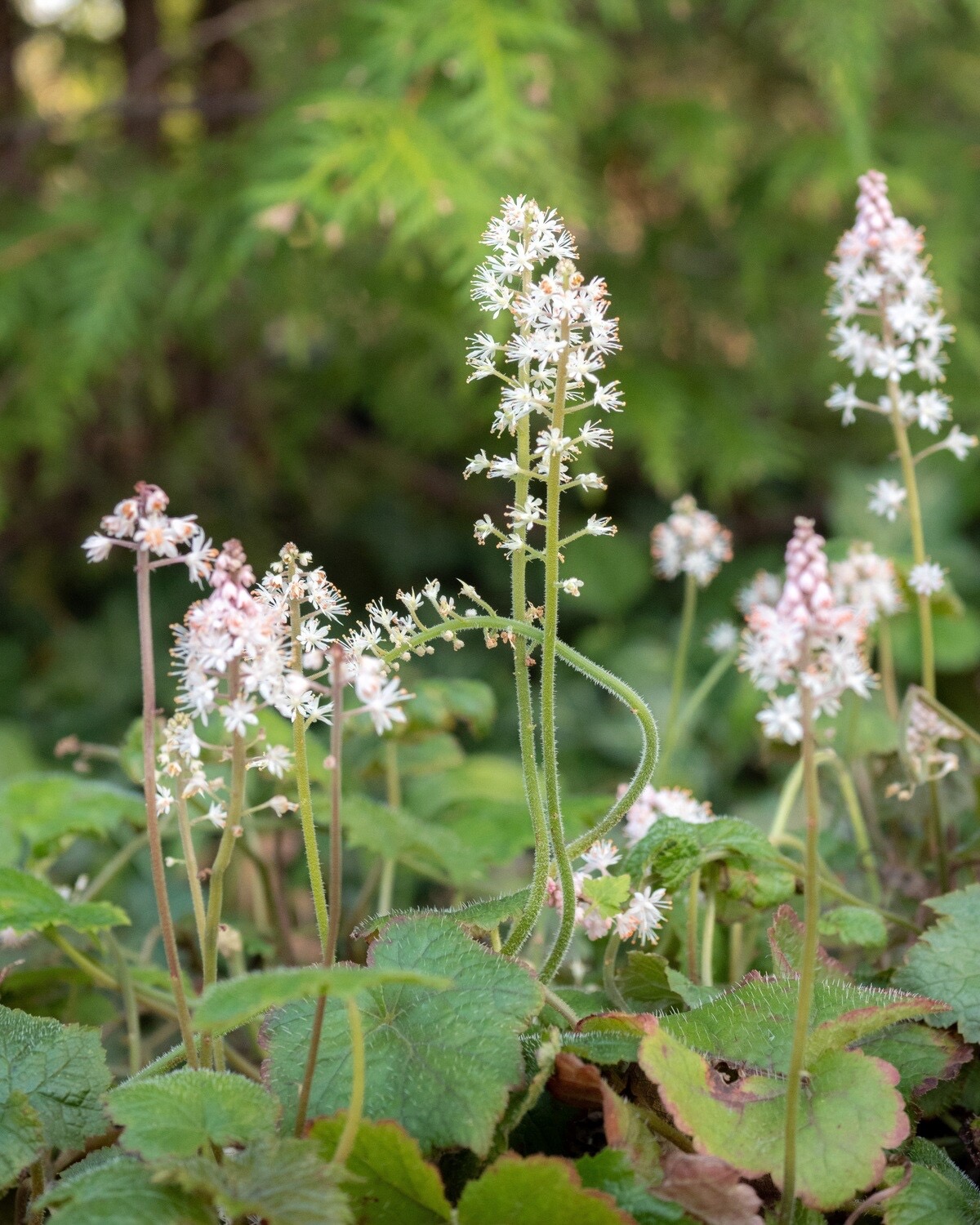 Photo Credits: No So Hollow Farm
Hardiness Zones: 3,4,5,6,7,8
*Heart - leaf Foamflower is a good choice for hardiness zones 4 through 7.*
Average Bloom: Typically blooms from late May to early June.
*The bloom period can last for about four to six weeks. *
Moisture: Consistently moist conditions
*Canada Mayflower needs to be evenly moist but not soggy, especially during dry spells and periods of heat. *
Soil: Typically thrives in humus rich soils that is enriched in organic matter, and slightly acidic that are well drained.
Light Exposure: The best conditions for Canada Mayflower is partial shade to full shade, which mimics their natural woodland habitat. It can tolerate dappled sunlight or indirect light, such as under deciduous trees or on the north side of a building.
Notes 📝: Avoid full direct sunlight, because the full direct sunlight can scorch the leaves and inhibit flowering.
Average Height: Typically reaches a height of 6 - 12 inches.
Average Width: Typically reaches a width of 12 to 24 inches.
Flowers: Delicate and white that are star shaped.
Edible: No
Spread: Heart - leaf Foamflower is considered as a fast spreading plant.
Host Plant: It is not a host plant to any local butterfly species and moth species.
Attracts: The flowers attract mining bees, mason bees, sweat bees, bumblebees, hairstreak butterflies, skipper butterflies, and gossamer - winged butterflies. Occasionally some beetles and small flies tend to go to the flowers. The seeds of the flowers on a Heart - leaf Foamflower provides a food source for white mice, deer mice, ruffed goose, and ground feeding birds.
Heart - leaf Foamflower (Tiarella cordifolia) is identified by its heart-shaped, deeply lobed leaves, spreading from the base of the plant. The leaves are sharply toothed, and the plant has a clumping growth habit. In spring, it produces elongated clusters of small, frothy, white to pinkish flowers on slender, upright stems.
Woolly Blue Violet (Viola sororia)
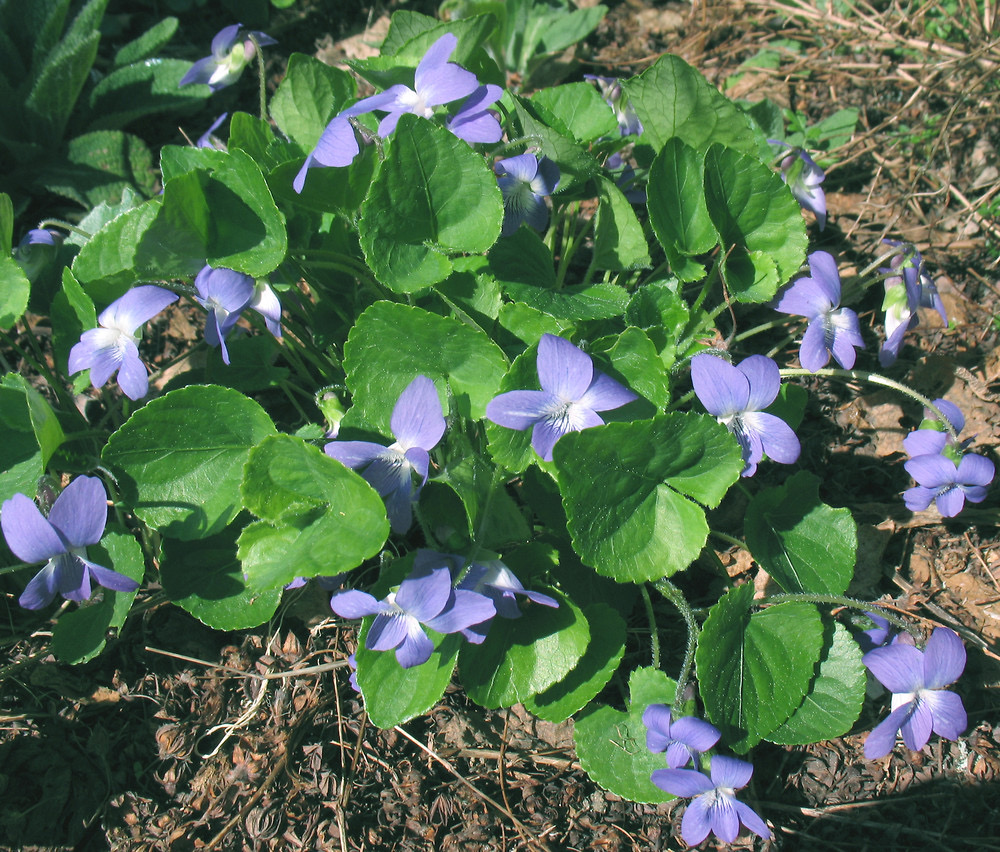 Photo Credits: Marilee Lovit
Hardiness Zones:
3,4,5,6,7,8,9,10
*This makes them well suited for most areas of the province of Ontario.
Average Bloom: Typically blooms from April to May, with some blooms extending into the month of June.
Moisture: Woolly Blue Violet prefers evenly moist but not soggy conditions.
Soil: The Woolly Blue Violet thrives in lean, sandy, or clay soils as long as there is adequate moisture and it is rich in organic matter.
Light Exposure: It generally prefers light shade or part shade, but Woolly Blue Violet can tolerate being in full sun as long as the soil is moist.
Average Height: Typically has a height of 3 to 8 inches.
Average Width: Typically has a width of 6 to 12 inches.
Flowers: The flowers on a Woolly Blue Violet are typically blue or purple in colour with a white throat and a total of five petals.
Edible: Yes the Woolly Blue Violet is edible to humans. The young leaves and flowers of the Woolly Blue Violet are the edible parts of the plant. The leaves and flowers can be used in salads, cooking, and garnishes.
Spread: It is generally considered as a fast spreading plant.
Host Plant: It is a host plant to several of our local fritillary butterflies including the Great Spangled Fritillary, Variegated Fritillary, Edward’s Fritillary, and Mormon Fritillary.
Attracts: The flowers of the Woolly Blue Violet attracts mason bees, sweat bees, mining bees, skipper butterflies, hairstreak butterflies, and sulphur butterflies.
Woolly Blue Violet (Viola sororia) is a low-growing, stemless perennial native to eastern and central North America. It features heart-shaped, glossy leaves and blooms with blue-violet flowers (sometimes white) with white throats, often found in woods and thickets. The plant can live for over 10 years and spreads easily by self-seeding.
Barren Strawberry (Waldsteinia fragarioides)
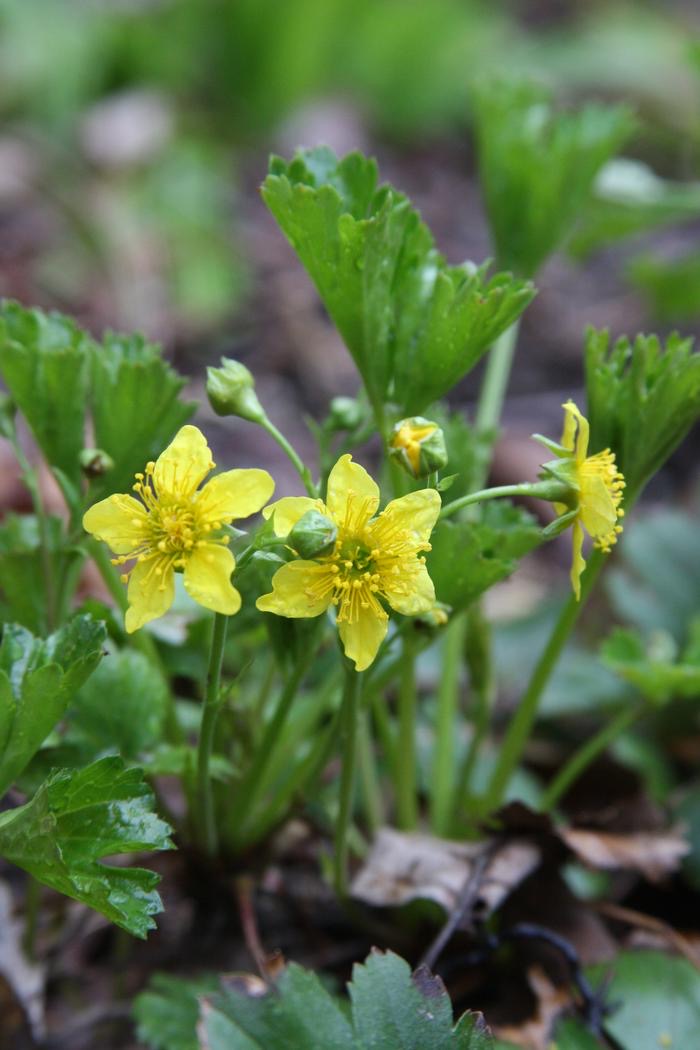 Photo Credits: Native Plant Trust
Hardiness Zones: 3,4,5,6,7
Average Bloom: Typically blooms from mid spring to early summer, with the average bloom period being April to June.
Moisture: Barren Strawberry thrives in moist conditions, but also tolerates dry conditions once it has been established.
Soil: it thrives in a variety of soils but prefers well drained, slightly acidic, and organic rich soils. Barren Strawberry tolerates clay,loam, and sandy soils.
Light Exposure: Barren Strawberry thrives in a range of light conditions, tolerating both full sun and partial shade. This plant performs better in part shade, especially in areas with morning sun or dappled sunlight.
Average Height: Typically grows to a height of 3 to 6 inches (8 - 15 cm). Sometimes Barren Strawberry can have a slightly higher height of 6 to 12 inches.
Average Width: Typically grows to a width 8 to 12 inches (20 - 30 cm).
Flowers: Small and bright yellow flowers that are saucer shaped.
Edible: No Barren Strawberry is not an edible plant. It resembles edible strawberries, but the fruit is not a berry and is not palatable. The plant is primarily used as an ornamental groundcover.
Spread: Barren Strawberry is considered a slow spreader compared to some other ground covers.
Host Plant: It is not a host plant to any local butterfly species and moth species.
Attracts: The flowers of the Barren Strawberry attracts plasterer bees, mason bees, mining bees, sweat bees, bumblebees, and various butterfly species.
Barren Strawberry (Waldsteinia fragarioides) is a low, hairy plant with long rooting runners. Leaves are bluish green, trifoliate, and hairy with long oval toothed leaflets that are grey and silky beneath. The flowers are white and 10 to 15 mm in size with gaps between the slightly notched petals.
This plant can be distinguished from Wild Strawberry by the terminal tooth of the leaf being shorter than those on either side.
When choosing a ground cover that is native to the province of Ontario it is important to choose the one that will do well in your hardiness zone, will thrive in the light exposure in the location that you would like to plant it, and will tolerate the the type of environment and soil you are wanting to put it in on your property.
Reasons Why Native Ground Covers Are Best :
➡️ They are native to the province of Ontario.
➡️ The ground covers have been living out in the wild natively for way longer than we have been living.
➡️ They are not invasive plants
➡️ The plants are use to of our climate, weather, and temperatures.
➡️ The ground covers can tolerate a lot more things compared to other ground covers.
➡️ Most of them are host plants to local butterfly species, moth species, and beneficial insects.
➡️ They provide both nectar and pollen for local butterflies and bees.
➡️ The plants provide berries and seeds for local wildlife including birds, small mammals, and large animals.
➡️ Some of the ground covers are edible to us humans where we can the edible parts of the plants.
➡️ They are capable of looking after themselves.
➡️ The care of each of these grounds covers is pretty easy and straight forward.
➡️ They can tolerate any type of weather conditions compared to other plants.
➡️ The ground covers help with biodiversity.
➡️ They help with the butterfly populations, moth populations, and beneficial insects populations.
Make sure you only choose one ground cover per garden or green space, since each of these low growing plants tend to cover a good amount of space in an open area or garden.
By choosing native ground covers, you can create a more sustainable, beautiful, and ecologically beneficial landscape that supports local biodiversity while also reducing your gardening workload.
“The glory of gardening: hands in the dirt, head in the sun, and heart with nature. To nurture a garden is to feed not just the body but the soul. “ ~ Alfred Austin
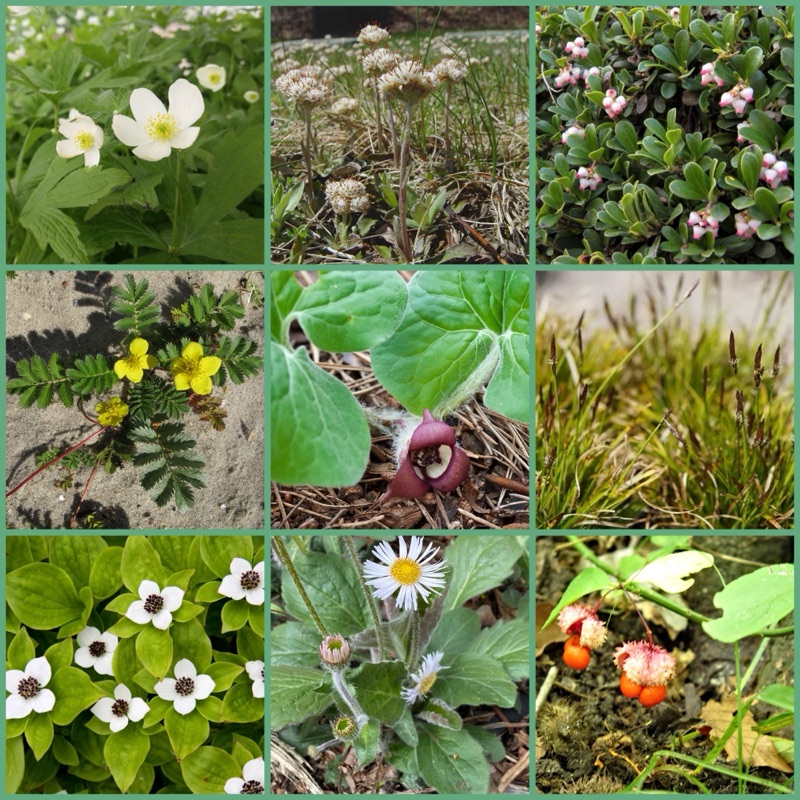 Photo Credits: Ontario Native Plants, Arthur Haines, Bunchberry Nurseries, BeachExplorer, American Meadows, Dorte Windmuller, C Selk, Master Gardeners Northern Virginia, and Doug’s Photos.
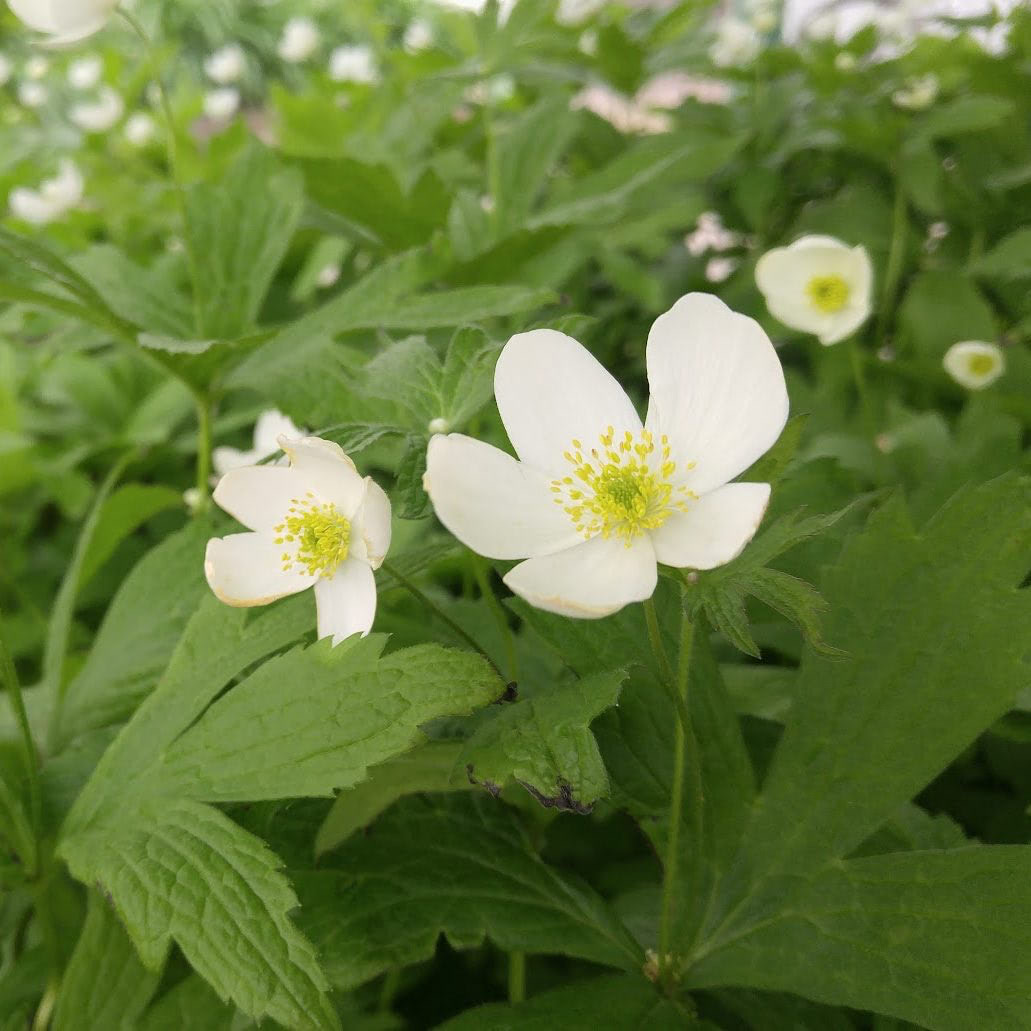 Photo Credits: Ontario Native Plants
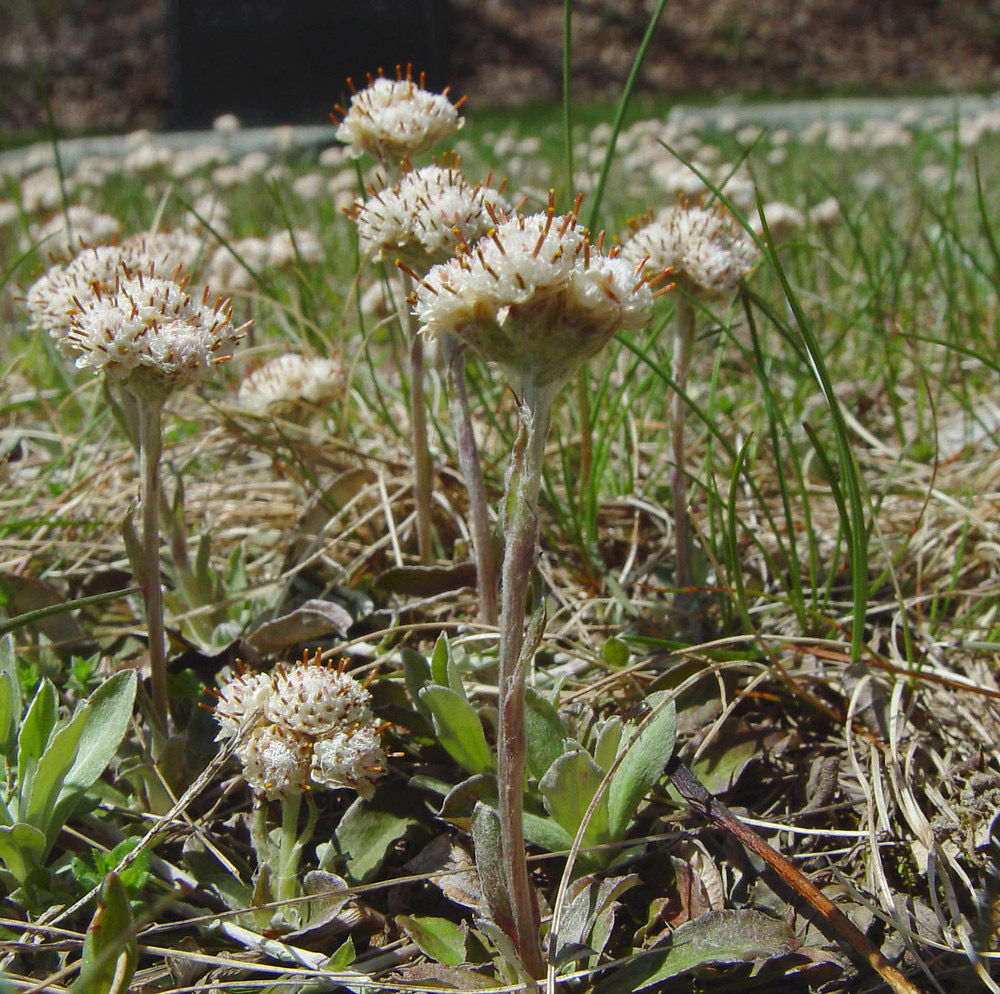 Photo Credits: Arthur Haines
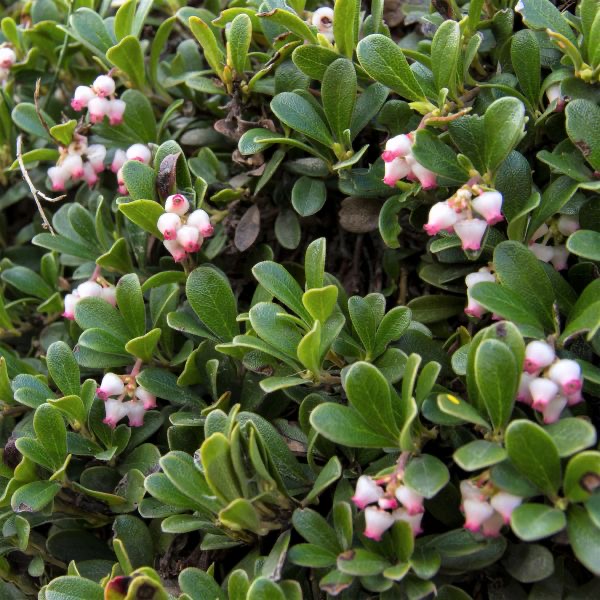 Photo Credits: Bunchberry Nurseries
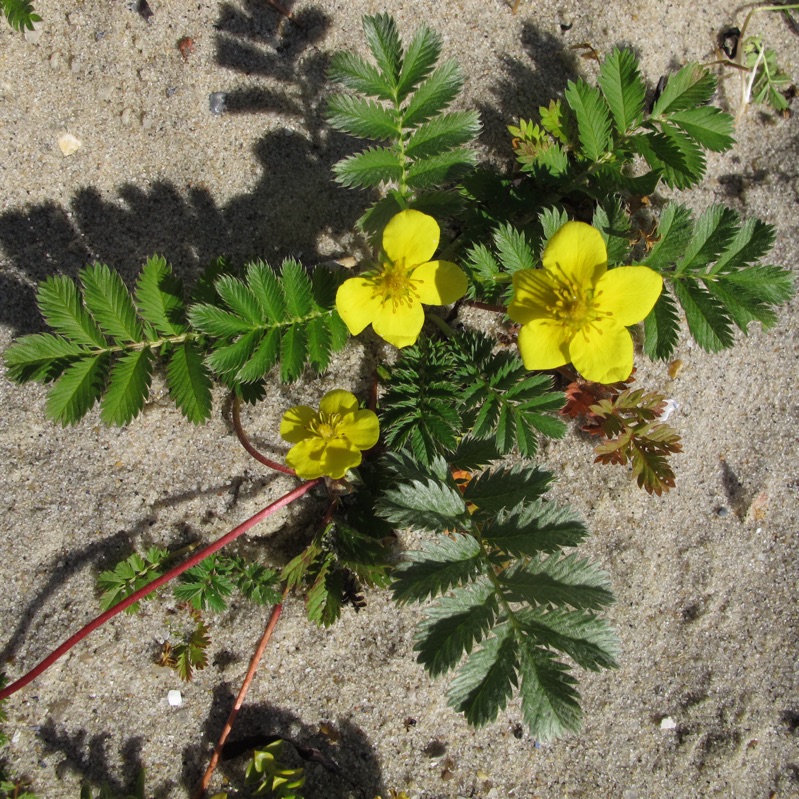 Photo Credits: BeachExplorer
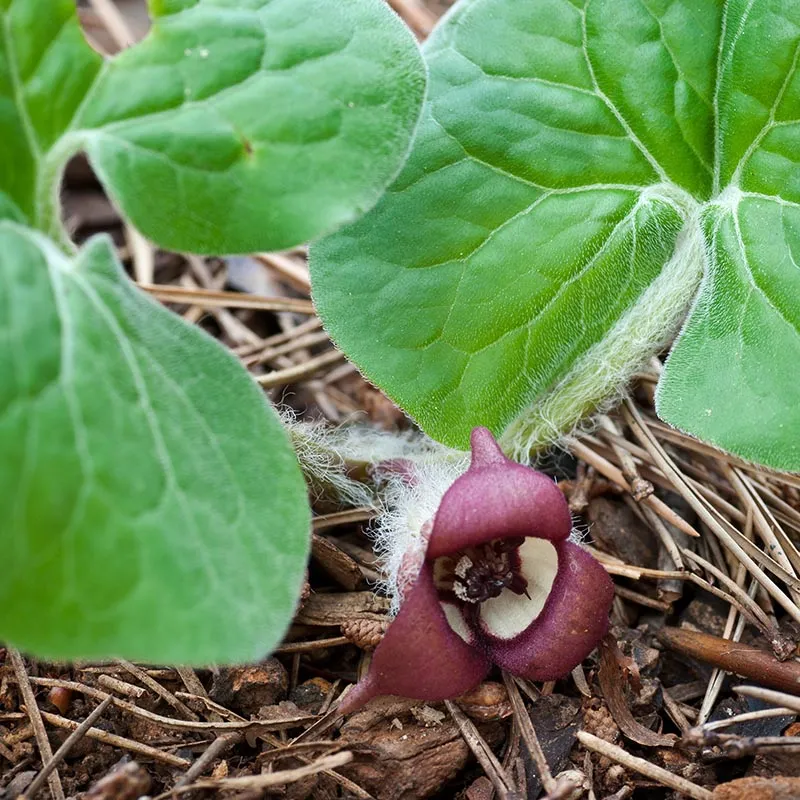 Photo Credits: American Meadows
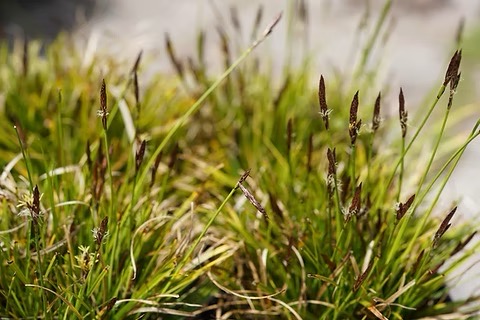 Photo Credits: Dorte Windmuller
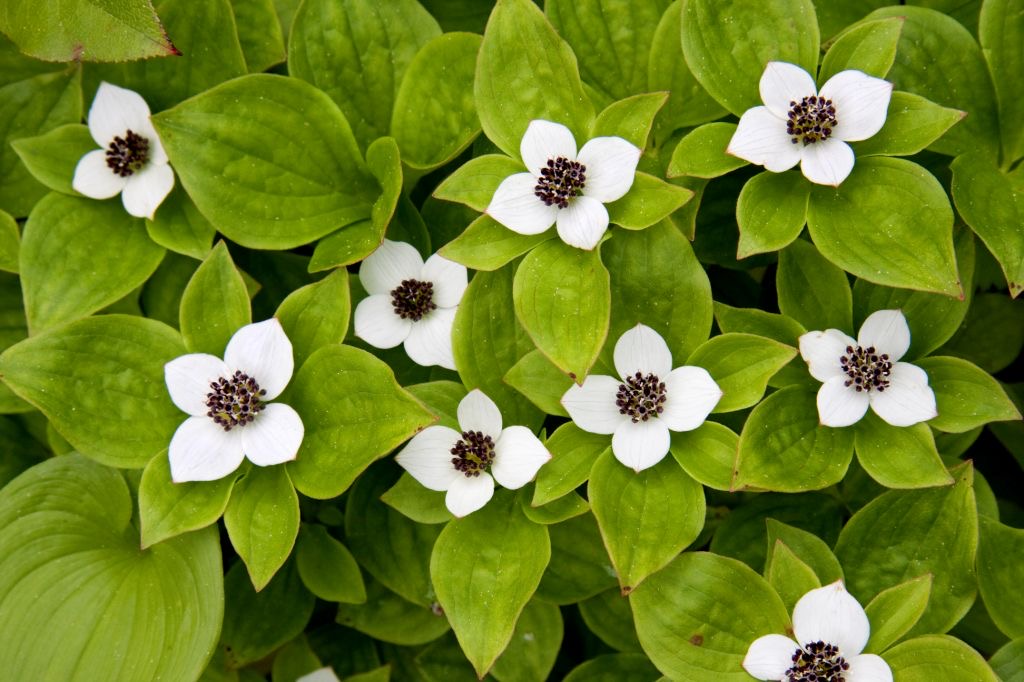 Photo Credits: C Selk
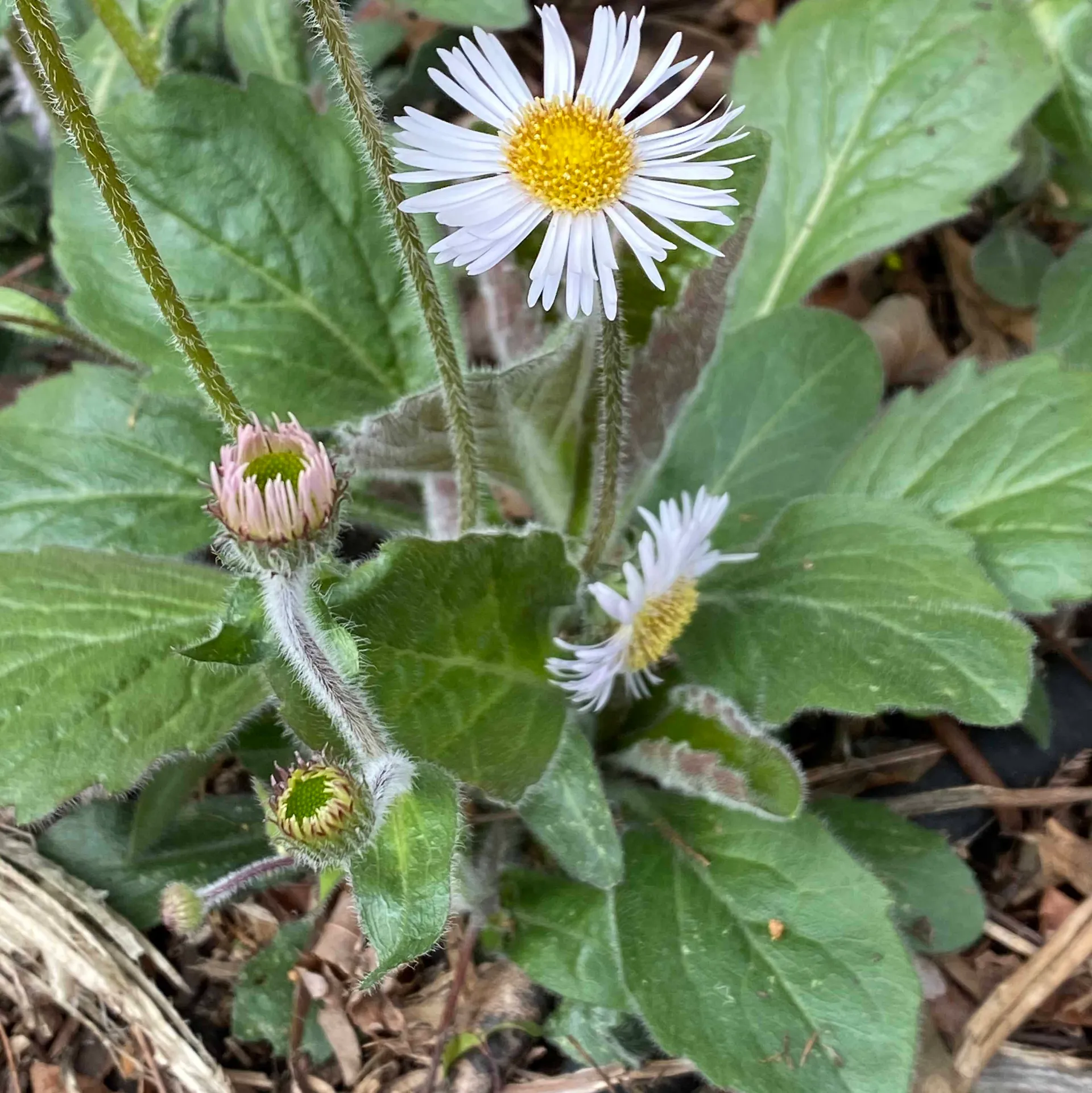 Photo Credits: Master Gardeners Northern Virginia
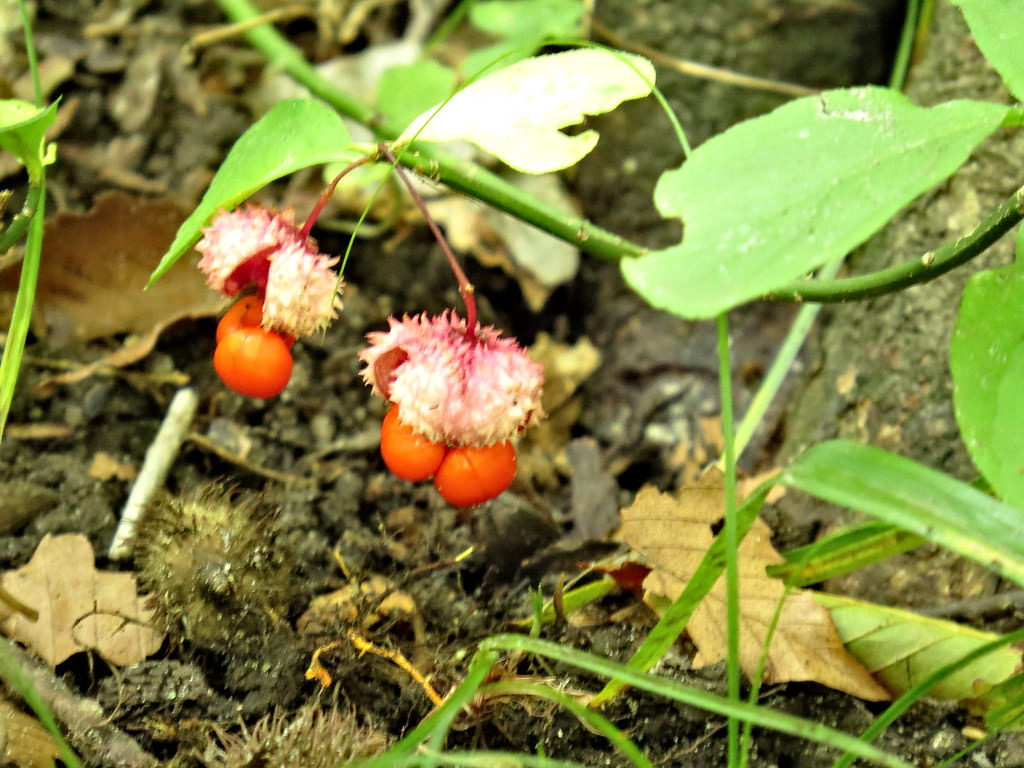 Photo Credits: Doug’s Photos


Comments
Post a Comment