Garden Choices Matter: How Ornamental Grasses Help or Harm Wildlife
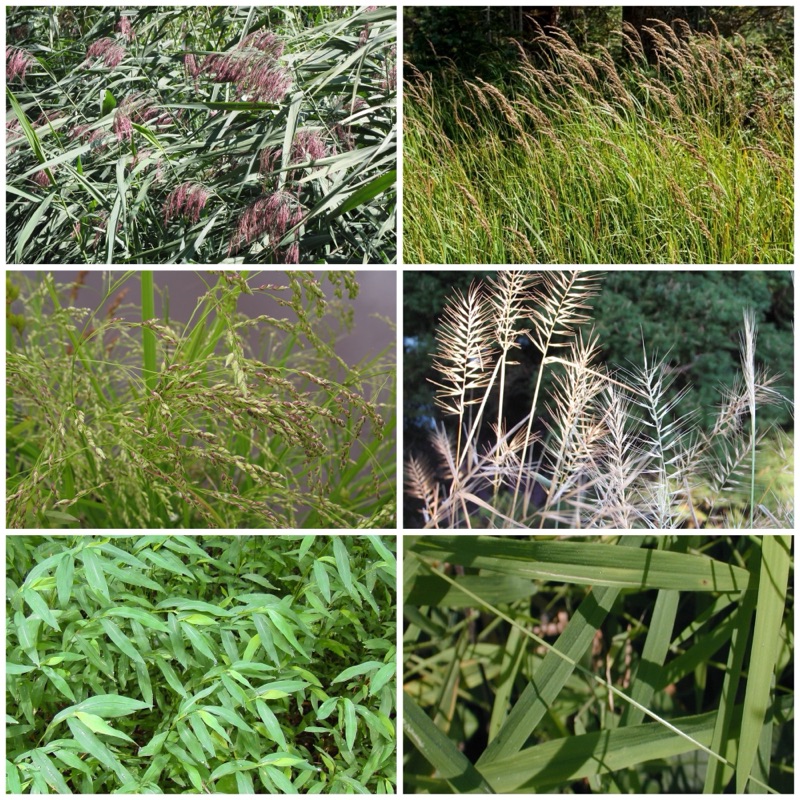
The grasses you choose affect more than your landscape. Ornamental grasses can either support native wildlife and biodiversity, or contribute to ecological imbalance.
Ornamental grasses are often chosen for their beauty, texture, and movement in the garden. They soften landscapes, add year-round interest, and are commonly used in both residential and commercial plantings. Yet beneath their graceful appearance, not all ornamental grasses behave the same way. Some spread aggressively beyond where they are planted, outcompeting native vegetation and altering natural habitats.
This article explores the important differences between invasive and native ornamental grasses, why those differences matter, and how garden choices influence the health of local ecosystems. By learning which grasses support wildlife and which ones cause ecological harm, gardeners can make informed decisions that protect biodiversity while still creating beautiful, functional landscapes.
Invasive ornamental grasses are often planted for their fast growth, hardiness, and attractive appearance. Many are promoted as low-maintenance or visually appealing landscape plants, which makes them popular choices in gardens and commercial plantings. However, these same traits can allow invasive grasses to spread quickly beyond where they are planted.
Once established, invasive grasses can outcompete native plants, alter soil conditions, and reduce habitat diversity for wildlife. Their ability to spread aggressively can disrupt natural ecosystems, particularly in wetlands, meadows, and other sensitive environments. Learning to recognize invasive ornamental grasses is an important step toward protecting local biodiversity and preventing long-term ecological harm.
Native ornamental grasses are plants that have evolved alongside local wildlife and ecosystems over thousands of years. They are naturally adapted to regional climates, soils, and seasonal conditions, making them resilient and well suited for sustainable landscaping. In gardens and natural spaces, native grasses add beauty and structure while also serving important ecological functions.
Unlike invasive species, native ornamental grasses support biodiversity by providing food, shelter, and breeding habitat for insects, birds, and other wildlife. They help stabilize soil, improve ecosystem health, and contribute to balanced, functioning landscapes. Choosing native grasses allows gardeners to create visually appealing spaces while supporting the natural systems that wildlife depends on.
Invasive Ornamental Grass (Don’t Choose Me)
European Common Reed Grass (Phragmites australis)
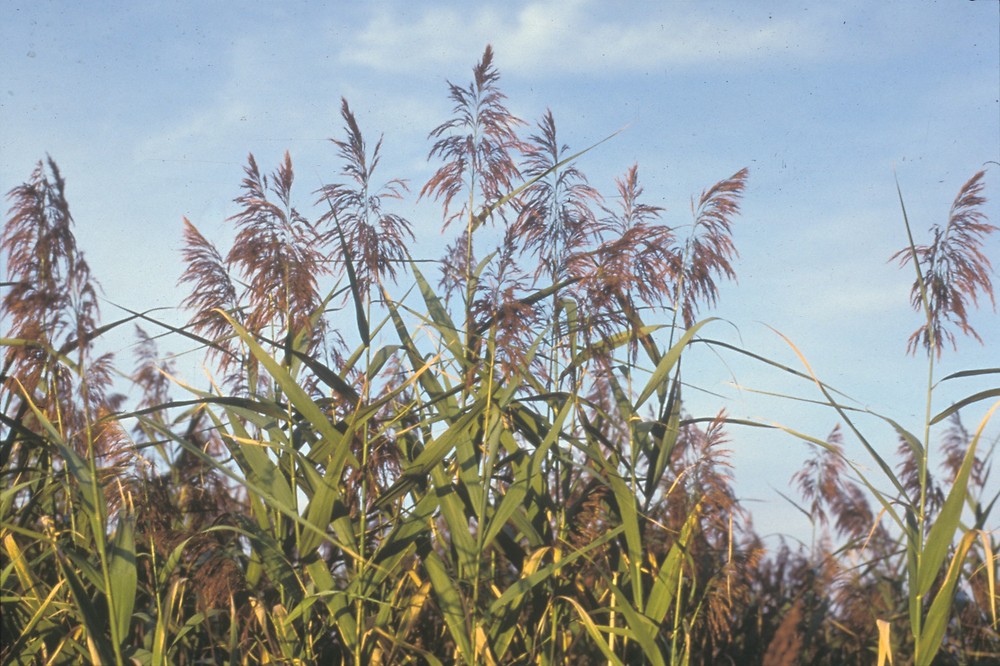
Photo Credits: Christopher Mattrick
Common Name: European Common Reed
Scientific Name: Phragmites australis
Other Names: Eurasian Common Reed, European Reed, Phragmites, and European Phragmites.
Invasive Status (Invasive / Highly Invasive: Highly Invasive, and Non Native
Origin/Native Range: It’s origin is Europe and Asia. It is widespread across Europe, Western and Eastern Asia, parts of North Africa, and the Middle East.
Growth Habitat: Forms dense, continuous stands rather than clumps.
Height : 12 to 15 feet tall
Width: 3 to 4 feet wide
Spread: Spreads rapidly and aggressively
Spreading Method: Spreads by both underground rhizomes and wind dispersed seeds.
Rate Of Spread: Very fast / aggressive
Impact On Native Plants: This ornamental grass forms dense, tall monocultures that outcompete native plants for light, space, water, and nutrients. Its rapid spread displaces native grasses, sedges, and wildflowers, leading to a significant reduction in plant diversity and the loss of native wetland and shoreline vegetation.
Impact On Wildlife: It reduces habitat quality for wildlife by replacing diverse native plant communities with dense, uniform stands. This limits food sources and shelter for insects, birds, amphibians, and other animals. While some wildlife may use the plant for cover, overall species diversity and ecosystem function are significantly reduced compared to native wetland vegetation.
Effect On Biodiversity: It significantly reduces biodiversity by forming dense monocultures that replace diverse native plant communities. This loss of plant diversity leads to fewer food sources, reduced habitat complexity, and a decline in the variety of insects, birds, and other wildlife that depend on native vegetation for survival.
Ecosystems Affected: Wetlands (marshes, swamps, fens), lake and river shorelines, coastal marshes, floodplains, roadside ditches, drainage canals, and other wet or disturbed habitats. Its spread alters wetland structure and function, displacing native plant communities and reducing habitat quality for wildlife.
Difficulty To Control: Very high! European Common Reed is extremely difficult to control once established due to its extensive underground rhizome system, rapid growth, and ability to regenerate from small rhizome fragments. Effective management often requires repeated treatments over multiple years, and complete eradication is challenging, especially in wetland environments.
Common Ways It Spreads: Through wind dispersed seeds, underground rhizomes that expand outward from existing stands, the movement of rhizome fragments by water, soil disturbance, construction equipment, and roadside maintenance.
Why Is It A Concern: It is a major concern because it spreads rapidly and replaces diverse native plant communities with dense monocultures. This leads to reduced biodiversity, degraded wildlife habitat, and altered wetland ecosystems. Its ability to dominate shorelines and wetlands also interferes with water flow, increases management costs, and makes restoration of native habitats difficult once it becomes established.
European Common Reed (Phragmites australis) is a tall, fast-growing grass that has become one of the most aggressive invasive plants in wetlands and along shorelines across Canada and the United States. Introduced from Europe and Asia, it spreads rapidly through underground rhizomes and wind-dispersed seeds, allowing it to form dense stands that quickly overtake surrounding vegetation.
As these dense stands expand, European Common Reed displaces native wetland plants and reduces the diversity of habitats available to wildlife. While it may appear attractive or useful for erosion control, its dominance alters natural ecosystems and makes habitat restoration difficult once it becomes established. For these reasons, it is widely recognized as a serious ecological threat and is not recommended for planting.
Native Ornamental Grass (Choose Me)
Marsh Reed Grass (Calamagrostis canadensis)
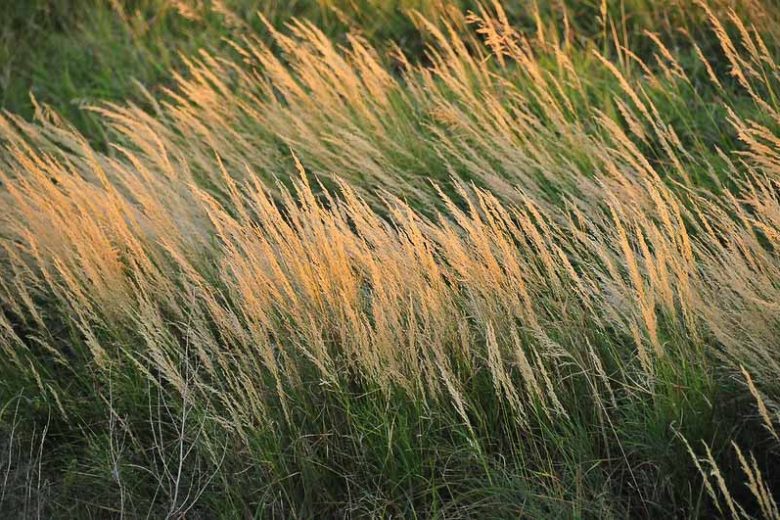 Photo Credits: USFWS Mountain Prairie, Flickr
Common Name: Marsh Reed Grass
Scientific Name: Calamagrostis canadensis)
Other Names: Bluejoint, Bluejoint Reedgrass, Canada Bluejoint, Canadian Reedgrass, Meadow Pinegrass, and Marsh Pinegrass.
Native Status: Native to Ontario and much of North America.
Native Range: Most of Canada, The Northern and Central United States, and parts of Alaska.
Growth Habitat: Wet meadows, marshes, fens, shorelines, open wetlands, and moist lowland areas. Prefers moist to wet soils and is commonly found in natural wetland and meadow ecosystems.
Growth Habit: Clump-forming to loosely spreading perennial grass. Forms dense tufts but does not aggressively spread or form monocultures like invasive reed species.
Flowers: Produces narrow, feathery flower panicles that emerge green to purplish in early summer and fade to a soft tan as they mature, adding subtle texture and seasonal interest.
Foliage: Fine-textured, upright green leaves that form dense clumps, creating a soft, natural appearance throughout the growing season.
Height: Typically 3 - 5 feet tall when in flower.
Width: Clumps generally reach 30–60 cm (1–2 ft) wide.
Spread: Slow to moderate spread through short rhizomes; forms expanding clumps without aggressive or invasive behavior.
Seasonal Interest: Provides interest from late spring through fall, with delicate flower plumes in early summer and attractive seed heads that persist into late summer and fall.
Seed Head/Flowering Time: Flowers in early to mid-summer. Produces narrow, feathery seed heads that mature in summer and persist into late summer and early fall.
Light Requirements: Full sun ☀️ to partial shade 🌥️
Soil Type: Prefers fertile, organic-rich soils but adapts well to loamy or clay soils.
Moisture Requirements: Moist to wet soils. Tolerates seasonal flooding and is well suited for wetlands, rain gardens, and low-lying areas.
Wildlife Supported: Supports a variety of wildlife, including birds, insects, and small mammals. Birds use the seeds as a food source, and dense clumps provide cover and nesting habitat.
Pollinator Value: Low direct nectar value, but important indirect support. Provides habitat, shelter, and movement corridors for pollinators and beneficial insects.
Host Plant Value: Serves as a host plant for the larvae of several native moth and skipper species, contributing to native insect life cycles.
Habitat Benefits: Provides nesting cover, shelter, and overwintering habitat for insects and wildlife. Helps stabilize soil and maintain wetland structure.
Biodiversity Contribution: Contributes positively to biodiversity by supporting native insects and wildlife, enhancing habitat complexity, and maintaining healthy, functioning wetland and meadow ecosystems.
Role In Natural Ecosystems: Plays an important role in wetland and meadow ecosystems by stabilizing soil, reducing erosion, and supporting native wildlife. It helps maintain healthy plant communities and contributes to the overall structure and function of wetlands.
Landscape Uses: Well suited for rain gardens, wet meadows, pond edges, shoreline plantings, restoration projects, and naturalized landscapes. Adds soft texture and vertical interest to native plant gardens.
Drought/Flood Tolerance: Highly tolerant of wet conditions and seasonal flooding. Has low drought tolerance and performs best in consistently moist to wet soils.
Compatibility With Other Native Plants: Highly compatible with other native grasses, sedges, and wildflowers. Integrates well into diverse plantings without outcompeting neighboring species.
Most Distinctive Feature: Soft, upright growth with fine-textured foliage and airy flower panicles that move gracefully in the wind. Provides a native alternative to invasive reed species while supporting healthy ecosystems.
Marsh Reed Grass (Calamagrostis canadensis) is is a graceful native perennial grass with upright, fine-textured foliage that forms soft, arching clumps in wetlands and moist meadows. Its narrow green leaves create a light, airy appearance, and in early summer the plant sends up tall stems topped with delicate, feathery flower panicles. These flowers emerge with subtle green to purplish tones before maturing into pale tan seed heads that sway gently in the wind and remain attractive through late summer.
As the seasons progress, Marsh Reed Grass adds structure and movement to natural landscapes without overwhelming surrounding plants. Its clump-forming growth allows it to blend easily with sedges, wildflowers, and other native grasses, creating layered, diverse plant communities. Beyond its visual appeal, it provides valuable habitat for wildlife, stabilizes moist soils, and supports healthy wetland ecosystems. As a native alternative to invasive reed species, Marsh Reed Grass offers both understated beauty and long-term ecological benefits.
Invasive Ornamental Grass (Don’t Choose Me)
Rough Manna Grass (Glyceria maxima)
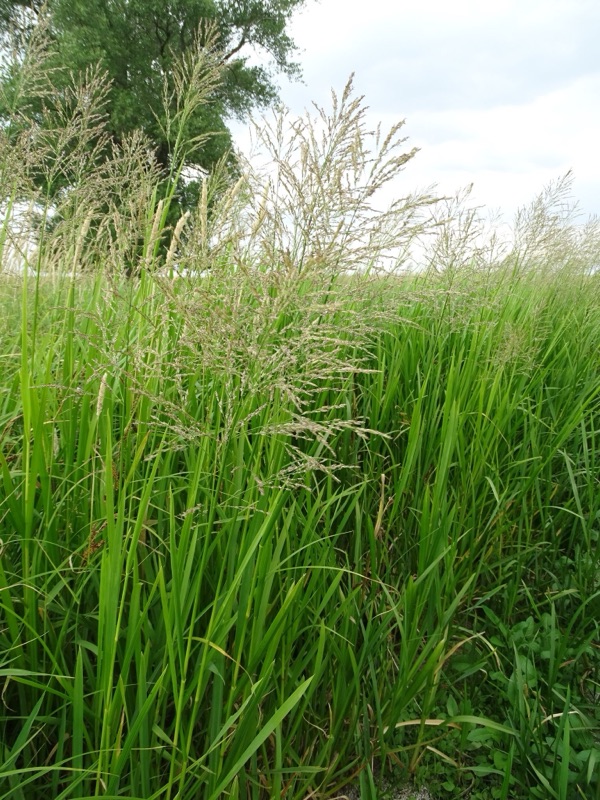
Photo Credits: Grzegorz Grzejszczak
Common Name: Rough Manna Grass
Scientific Name: Glyceria maxima
Other Names: Reed Sweet Grass, Tall Manna Grass, Greater Manna Grass, and Water Manna Grass.
Invasive Status (Invasive / Highly Invasive: Invasive / Non Native! Considered invasive in Canada (including Ontario) and many parts of North America, particularly in wetland ecosystems.
Origin/Native Range: Native to Europe as well as Western Asia. Introduced to North America, where it has escaped cultivation and spread widely in wetlands and along waterways.
Growth Habit: Aggressively spreading, rhizomatous perennial grass. Forms dense, tall stands that spread outward rapidly and can dominate wetland habitats.
Height : Typically 3 - 6.5 feet tall
Width: Approximately 2 - 4 feet wide
Spread: Spreads aggressively, forming large, continuous patches that overtake surrounding vegetation.
Spreading Method: Spreads primarily through underground rhizomes and also by water-dispersed seeds. Rhizome fragments can establish new plants.
Rate Of Spread: Fast / aggressive. Colonies can expand rapidly along shorelines and wetlands, especially in nutrient-rich or disturbed areas.
Impact On Native Plants: Outcompetes native wetland plants by forming dense stands that block light and monopolize space and nutrients. This leads to the displacement of native grasses, sedges, and wildflowers and a reduction in plant diversity.
Impact On Wildlife: Reduces habitat quality for wildlife by replacing diverse native plant communities with uniform growth. This results in fewer food sources and nesting options for insects, birds, amphibians, and other wetland-dependent species.
Effect On Biodiversity: It significantly reduces biodiversity by forming dense, dominant stands that replace a wide variety of native wetland plants. This loss of plant diversity leads to simplified habitats and fewer resources for insects, birds, and other wildlife
Ecosystems Affected: Wetlands, marshes, swamps, wet meadows, lake and river shorelines, drainage ditches, and slow-moving waterways. It is especially problematic in nutrient-rich and disturbed wetland ecosystems.
Difficulty To Control: High. Rough Manna Grass is difficult to control once established due to its aggressive rhizome system and ability to regrow from fragments. Effective management often requires repeated removal or treatment over multiple seasons.
Common Ways It Spreads: Spreads through underground rhizomes, water dispersed seeds, and the movement of plant fragments by flowing water. It is often spread unintentionally through soil disturbance, shoreline alteration, and equipment used in wetland areas.
Why Is It A Concern: This grass is a concern because it rapidly invades wetlands and shorelines, displacing native vegetation and degrading habitat quality for wildlife. Its dominance alters wetland structure, reduces biodiversity, and makes restoration efforts difficult once large infestations are established.
Rough Manna Grass (Glyceria maxima) is a tall, coarse perennial grass with broad, flat leaves and an upright growth habit that allows it to stand out in wetland and shoreline environments. Its foliage is a rich green and forms dense, leafy stands, while its flowering stems rise above the leaves in early to mid-summer, producing large, branching flower panicles. The plant thrives in moist to wet soils and often appears lush and vigorous, which has contributed to its use in ornamental and restoration plantings in the past.
Despite its attractive appearance, Rough Manna Grass is highly invasive once established. It spreads aggressively through underground rhizomes and water-dispersed seeds, quickly forming thick monocultures that crowd out native wetland plants. As these dense stands expand, they reduce plant diversity, simplify habitat structure, and diminish food and shelter for wildlife. Its ability to dominate wetlands and shorelines makes control difficult and restoration challenging, which is why Rough Manna Grass is considered a serious ecological concern in many regions.
Native Ornamental Grass (Choose Me)
Bottlebrush Rye Grass (Elymus hystrix)
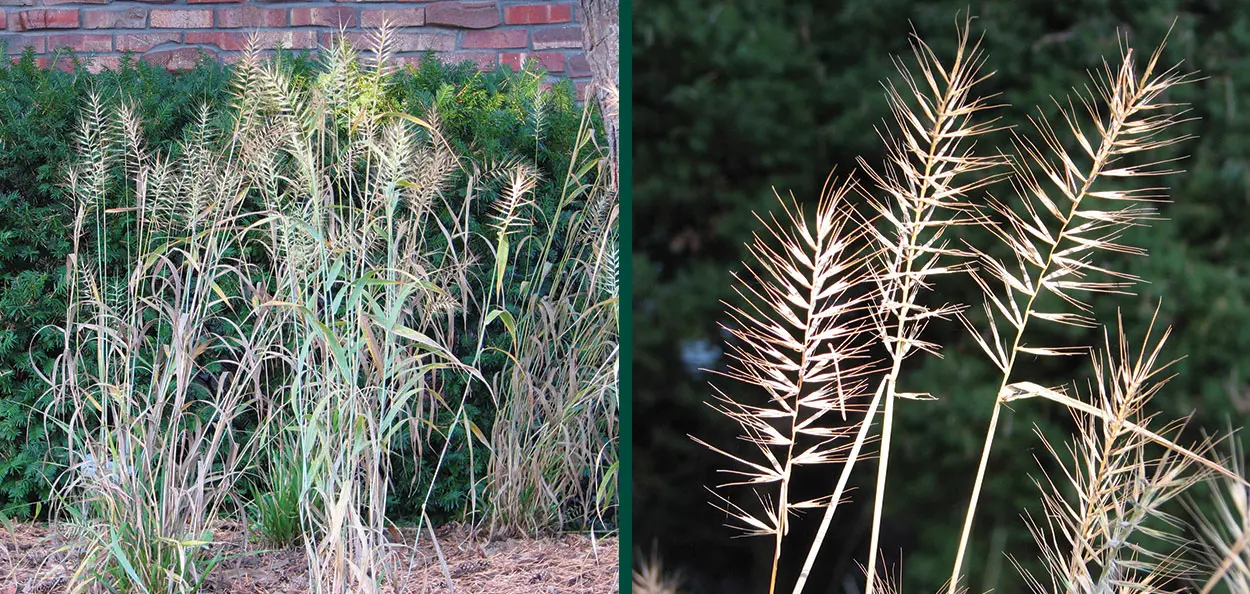
Photo Credits: Johnson’s Nursery
Common Name: Bottlebrush Rye Grass
Scientific Name: Elymus hystrix
Other Names: Eastern Bottlebrush Grass and Bottlebrush Grass.
Native Status: Native to the province of Ontario and Eastern North America.
Native Range: Native to Eastern North America, including Southern and Central Canada (Ontario and Quebec), and much of The Eastern United States.
Growth Habitat: Open woodlands, forest edges, shaded meadows, floodplains, and moist woodland clearings. Prefers partially shaded, undisturbed natural areas.
Growth Habit: Clump-forming, cool-season perennial grass. Grows upright and arching, forming loose tufts rather than spreading aggressively.
Flowers: Produces distinctive, upright flower spikes in late spring to early summer. The long, spreading awns give the flower head a “bottlebrush” appearance, which is highly recognizable.
Foliage: Flat, medium-green leaves with a soft texture. Foliage remains neat and upright, blending easily with woodland wildflowers and other native plants.
Height: Typically 60–120 cm (2–4 ft) tall when in flower.
Width: Clumps generally reach 45–75 cm (1.5–2.5 ft) wide.
Spread: Slow spread; forms tidy clumps and does not spread aggressively.
Seasonal Interest: Provides interest from spring through fall, with distinctive flower spikes in late spring and early summer and attractive foliage throughout the growing season.
Seed Head/Flowering Time: Flowers in late spring to early summer. Produces upright, bottlebrush-like seed heads with long awns that persist into early summer.
Light Requirements: Partial shade 🌥️ to full shade ☁️. Tolerates dappled sunlight and woodland conditions.
Soil Type: Prefers rich, loamy soils but adapts to a range of well-drained soil types.
Moisture Requirements: Prefers moist to moderately moist soils but can tolerate short periods of dryness once established.
Wildlife Supported: Supports a variety of wildlife, including birds, insects, and small mammals. Birds use the seeds as a food source, and the foliage provides cover for ground-dwelling species.
Pollinator Value: Low direct nectar value, but important indirect support. Provides shelter and movement corridors for pollinators and beneficial insects, especially in woodland habitats.
Host Plant Value: It is a valuable native grass that serves as a larval host plant for the Northern Pearly Eye Butterfly, providing food for its caterpillars. It also supports many other native moth species and insect species, making it a great addition to wildlife gardens and pollinator gardens.
Habitat Benefits: Provides shelter, nesting cover, and overwintering habitat for insects and small wildlife. Helps maintain soil stability and supports layered woodland and edge habitats.
Biodiversity Contribution: Enhances biodiversity by supporting native insects, birds, and wildlife while integrating into diverse plant communities without outcompeting other species.
Role In Natural Ecosystems: Plays an important role in woodland edges and open forest ecosystems by contributing to understory structure, supporting food webs, and maintaining balanced, healthy native plant communities.
Landscape Uses: Well suited for woodland gardens, shaded borders, native plant gardens, forest edges, and naturalized landscapes. Works well when planted among native wildflowers and shade-tolerant grasses.
Drought/Flood Tolerance: Moderate drought tolerance once established. Low flood tolerance. Does not perform well in saturated or poorly drained soils.
Compatibility With Other Native Plants: Highly compatible with other woodland native plants. Integrates easily with wildflowers, sedges, and shrubs without dominating or competing aggressively.
Most Distinctive Feature: Tall, upright flower spikes with long, spreading awns that create a striking bottlebrush appearance. Its ability to thrive in shade makes it a standout native ornamental grass for woodland settings.
Bottlebrush Rye Grass (Elymus hystrix) is a distinctive native perennial grass known for its upright form and striking flower spikes. Its flat, medium-green leaves form loose clumps that blend easily into woodland and shaded landscapes. In late spring to early summer, the plant produces tall seed heads with long, spreading awns that give it a recognizable “bottlebrush” appearance. These unique flowers add texture and visual interest, especially in dappled light beneath trees or along forest edges.
Beyond its ornamental appeal, Bottlebrush Rye Grass plays an important role in native ecosystems. It supports insects and wildlife by providing seeds, shelter, and habitat, and it serves as a host plant for several native insect species. Its clump-forming growth allows it to coexist with wildflowers and other native plants without becoming aggressive. Well suited for woodland gardens and naturalized plantings, Bottlebrush Rye Grass offers a beautiful and ecologically responsible option for shaded landscapes.
Invasive Ornamental Grass (Don’t Choose Me)
Japanese Stilt Grass (Microstegium vimineum)
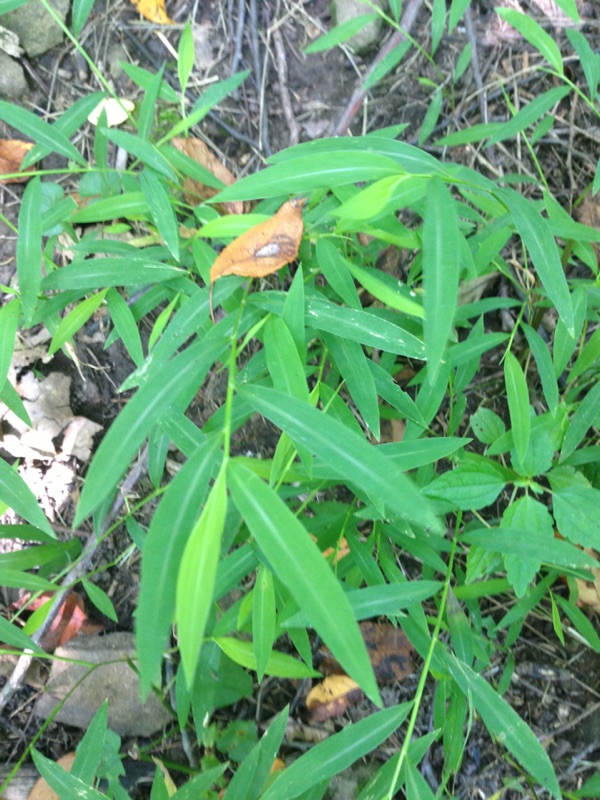
Photo Credits: Ephraim Zimmerman from iNaturalist
Common Name: Japanese Stilt Grass
Scientific Name: Microstegium vimineum
Other Names: Stilt Grass, Nepalese Browntop, and Asian Stilt Grass.
Invasive Status (Invasive / Highly Invasive: Highly invasive, non-native. Considered one of the most aggressive invasive grasses in eastern North America, including parts of Canada.
Origin/Native Range: Native to Eastern Asia. Including Japan, China, Korea, and parts of Southeast Asia. Introduced to North America, where it has spread rapidly.
Growth Habit: Low-growing, spreading annual grass. Forms dense mats that creep along the ground and over surrounding vegetation.
Height : Typically 30–90 cm (1–3 ft) tall.
Width: Individual plants can spread 30–60 cm (1–2 ft), but dense infestations form large, continuous mats covering wide areas.
Spread: Spreads aggressively, forming thick ground cover that excludes other plants.
Spreading Method: Spreads primarily by seed. Seeds are easily transported by water, wildlife, soil movement, footwear, and equipment.
Rate Of Spread: Spreads primarily by seed. Seeds are easily transported by water, wildlife, soil movement, footwear, and equipment.
Impact On Native Plants: Crowds out native plants by forming dense mats that block light and space. Prevents native seedlings from establishing and alters forest floor plant communities.
Impact On Wildlife: Reduces habitat quality by replacing diverse native vegetation with uniform ground cover. This leads to fewer food sources and less suitable habitat for insects and wildlife that rely on native plants.
Effect On Biodiversity: Reduces habitat quality by replacing diverse native vegetation with uniform ground cover. This leads to fewer food sources and less suitable habitat for insects and wildlife that rely on native plants.
Ecosystems Affected: Forests, woodland edges, floodplains, riparian areas, wetlands edges, trails, roadsides, and other disturbed or shaded habitats. It is especially problematic in forest understories.
Difficulty To Control: High. Although it is an annual grass, Japanese Stilt Grass produces large quantities of seed that remain viable in the soil for several years. Effective control requires repeated management over multiple seasons.
Common Ways It Spreads: Spreads primarily through seeds carried by water, wildlife, soil movement, footwear, equipment, and landscaping activities. It commonly spreads along trails, waterways, and disturbed areas.
Why Is It A Concern: Japanese Stilt Grass is a major concern because it rapidly invades forest understories and natural areas, displacing native plants and altering habitat structure. Its dense growth limits regeneration of native vegetation, reduces biodiversity, and makes long-term ecosystem restoration difficult.
Japanese Stilt Grass (Microstegium vimineum) is a low-growing annual grass with delicate, arching stems and narrow, pale green leaves that often appear silvery in sunlight. It spreads along the ground, forming loose to dense mats that weave through forest floors, trail edges, and shaded landscapes. Although it may appear light and unobtrusive at first, its rapid growth allows it to quickly cover large areas by late summer.
Once established, Japanese Stilt Grass becomes highly problematic. It produces large quantities of seed that spread easily through water, soil movement, footwear, and equipment, allowing it to colonize new areas rapidly. These dense mats prevent native plants from germinating and alter forest understory ecosystems, leading to reduced biodiversity and degraded wildlife habitat. Its ability to spread quickly and persist in the soil seed bank makes management challenging, which is why Japanese Stilt Grass is considered a serious ecological threat in many regions.
Native Ornamental Grass (Choose Me)
White Cut Grass (Leersia virginica)
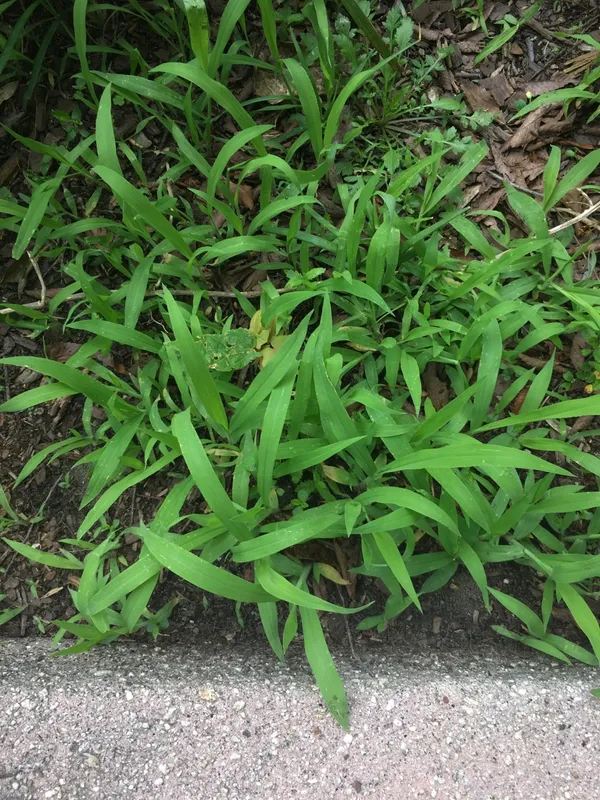
Photo Credits: PictureThis
Common Name: White Cut Grass
Scientific Name: Leersia virginica
Other Names: Virginia Cut Grass, White Grass, and Southern Cut Grass.
Native Status: Native to the province of Ontario and Eastern North America.
Native Range: Eastern North America, Central North America. Including Southern Canada (Ontario) and much of The Eastern United States.
Growth Habitat: Wet meadows, marsh edges, stream banks, floodplains, wet woods, and moist lowland areas. Commonly found along waterways and in seasonally wet habitats.
Growth Habit: Clump-forming to loosely spreading perennial grass. Spreads slowly by short rhizomes but does not form aggressive monocultures.
Flowers: Produces delicate, open panicles in late summer. Flowers are small and pale, giving the plant a light, airy appearance when in bloom.
Foliage: Flat, bright to medium green leaves with a soft texture. Foliage forms graceful clumps and remains attractive through the growing season.
Height: Typically 60–120 cm (2–4 ft) tall when flowering.
Width: Clumps generally reach 45–75 cm (1.5–2.5 ft) wide.
Spread: Slow to moderate spread through short rhizomes; expands gradually without becoming invasive or aggressive.
Seasonal Interest: Provides interest from late spring through fall, with fresh green foliage early in the season and airy flower panicles appearing in late summer.
Seed Head/Flowering Time: Flowers in late summer, typically from July through September. Produces delicate, open seed heads that add light texture to wetland and shoreline plantings.
Light Requirements: Partial shade 🌥️ to full shade ☁️, tolerates dappled sunlight and shaded woodland conditions.
Soil Type: Prefers fertile, organic-rich soils but adapts well to loamy or clay soils.
Moisture Requirements: Moist to wet soils. Tolerates seasonal flooding and is well suited for wetlands, stream banks, and low-lying areas.
Wildlife Supported: Supports a variety of wildlife, including birds, insects, and small mammals. Birds feed on the seeds, and the foliage provides cover along waterways and wetland edges.
Pollinator Value: Low direct nectar value, but important indirect support. Provides shelter and habitat for pollinators and beneficial insects.
Host Plant Value: It provides a larval host plant for the Northern Pearly Eye Butterfly, where it provides a place for the females to lay their eggs and a food source for their caterpillars. This grass also acts as a summer food source for a native aphid species which is the Elm Cut Grass Cockscomb Aphid, this aphid can cause some damage but it rarely causes ecological harm.
Habitat Benefits: Provides shelter and cover for insects, birds, amphibians, and small wildlife along wetland edges and waterways. Its dense growth helps stabilize soil and reduce erosion in moist environments.
Biodiversity Contribution: Contributes positively to biodiversity by supporting native insects and wildlife while integrating into diverse plant communities without dominating surrounding vegetation.
Role In Natural Ecosystems: Plays an important role in wetland edges and riparian ecosystems by helping maintain soil stability, supporting food webs, and contributing to healthy, functioning native plant communities.
Landscape Uses: Well suited for rain gardens, pond edges, stream banks, wet meadows, and naturalized native plantings. Works well in shaded or partially shaded landscapes.
Drought/Flood Tolerance: Low drought tolerance. Performs best in consistently moist soils. Highly tolerant of seasonal flooding and fluctuating water levels.
Compatibility With Other Native Plants: Highly compatible with other native wetland plants, sedges, and grasses. Integrates well into mixed plantings without outcompeting neighboring species.
Most Distinctive Feature: Soft, graceful foliage and airy, late-season flower panicles that add subtle movement and texture. Its ability to thrive in shaded, wet environments makes it a valuable native grass for wetland and riparian landscapes.
White Cut Grass (Leersia virginica) is a graceful native perennial grass commonly found along streams, wetlands, and moist woodland edges. It forms soft, arching clumps of bright to medium green foliage that create a natural, flowing appearance in wet landscapes. In late summer, the plant produces delicate, open flower panicles that rise above the leaves, adding light texture and movement as they catch the breeze.
Beyond its subtle beauty, White Cut Grass plays an important ecological role in wetland and riparian ecosystems. It helps stabilize soil along waterways, reduces erosion, and provides shelter and habitat for insects, birds, and other wildlife. Its non-aggressive growth allows it to blend easily with other native plants, contributing to healthy, diverse plant communities. As a native ornamental grass, White Cut Grass offers both visual softness and meaningful ecological benefits in wildlife-friendly gardens and restoration projects.
Invasive Ornamental Grass (Don’t Choose Me)
Giant Reed Grass (Arundo donax)
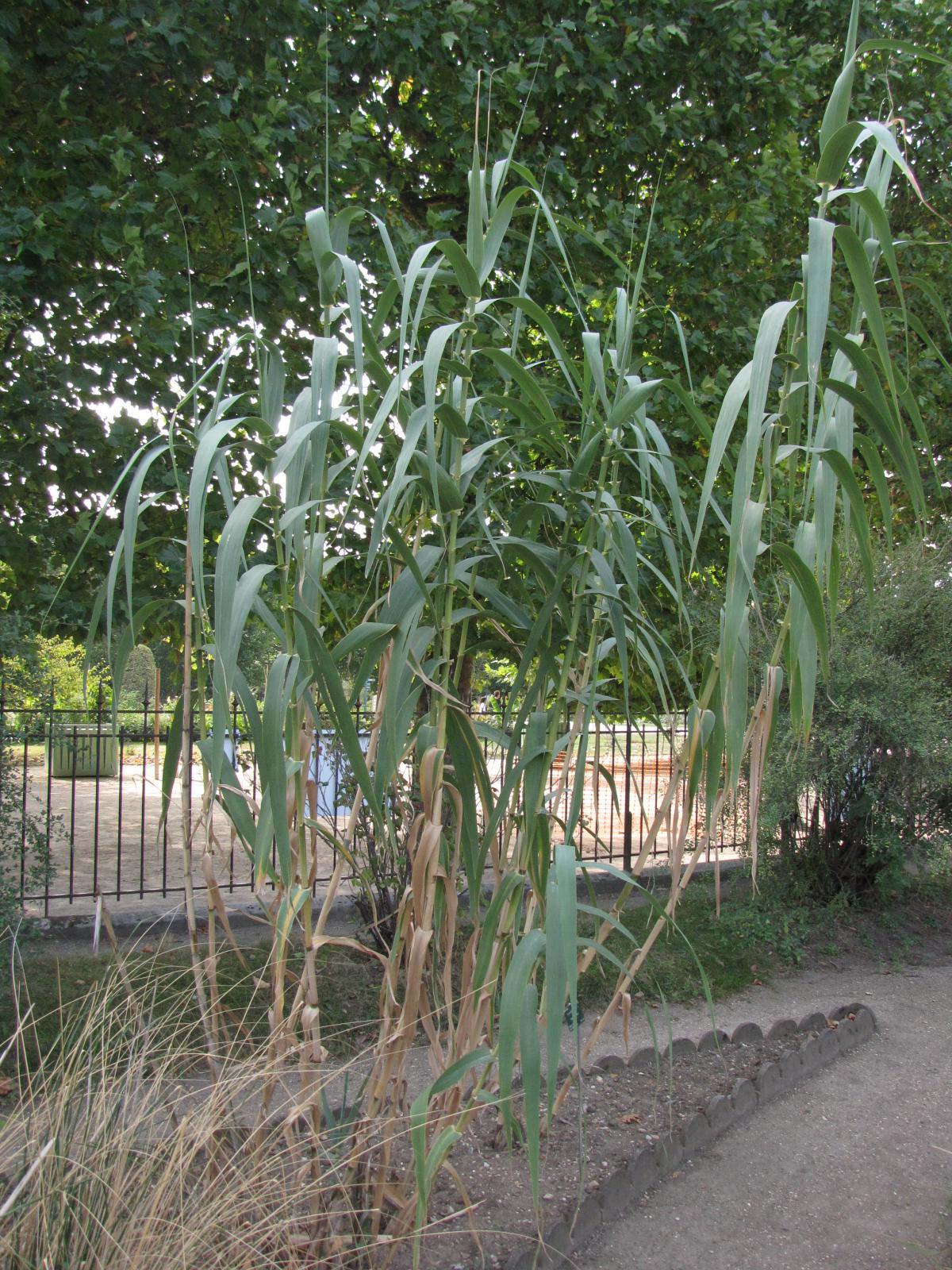
Photo Credits: Gilles Tran / AFZ
Common Name: Giant Reed Grass
Scientific Name: Arundo donax
Other Names: Spanish Reed, Carrizo Cane, Arundo, Reed Grass, and Giant Reed.
Invasive Status (Invasive / Highly Invasive: Highly Invasive / Non Native. Listed as a serious invasive species in many regions, including parts of North America, due to its severe ecological impacts.
Origin/Native Range: Native to The Mediterranean Region, The Middle East, and parts of Asia. It was introduced worldwide for erosion control, ornamentation, and utility uses.
Growth Habit: Tall, aggressively spreading perennial grass with thick, woody stems. Forms dense, reed-like stands through extensive underground rhizomes.
Height : Typically 3–6 m (10–20 ft) tall; occasionally taller under ideal conditions.
Width: Individual clumps can reach 1–3 m (3–10 ft) wide, but colonies expand far beyond this.
Spread: Spreads aggressively, forming large, continuous monocultures along waterways and disturbed areas.
Spreading Method: Spreads primarily through underground rhizomes and vegetative fragments. Broken pieces of stems or rhizomes can easily root and establish new plants; seed production is rare but possible.
Rate Of Spread: Very fast / aggressive. Can expand rapidly along waterways and disturbed soils, especially after flooding or soil movement.
Impact On Native Plants: Displaces native vegetation by forming dense, tall stands that block light and monopolize water and nutrients. Significantly reduces plant diversity, especially in riparian and wetland ecosystems.
Impact On Wildlife: Provides poor habitat value compared to native plants. Dense monocultures reduce food availability and habitat quality for insects, birds, and other wildlife, leading to overall declines in ecosystem health.
Effect On Biodiversity: Giant Reed severely reduces biodiversity by forming dense, towering monocultures that replace diverse native plant communities. This loss of plant diversity leads to simplified habitats and fewer food sources and shelter options for insects, birds, and other wildlife.
Ecosystems Affected: Riparian corridors, riverbanks, stream edges, wetlands, floodplains, coastal areas, drainage channels, and other disturbed or water-adjacent habitats. It is especially damaging in riparian ecosystems.
Difficulty To Control: Very high. Giant Reed is extremely difficult to control due to its massive rhizome system and ability to regrow from small plant fragments. Effective management often requires repeated, long-term treatment, and complete eradication is rare once large infestations are established.
Common Ways It Spreads: Spreads primarily through underground rhizomes and vegetative fragments transported by water, soil movement, flooding, construction, and landscaping activities. Even small fragments can establish new plants.
Why Is It A Concern: It is a major concern because it rapidly invades waterways and riparian areas, displacing native vegetation and altering ecosystem structure. Its dense growth increases fire risk, reduces water availability, degrades wildlife habitat, and makes restoration of native ecosystems extremely difficult once established.
Giant Reed Grass (Arundo donax) is an extremely tall, bamboo-like perennial grass with thick, cane-like stems and broad, lance-shaped green leaves. It can grow rapidly to towering heights, creating dense walls of vegetation along rivers, wetlands, and disturbed landscapes. In late summer, Giant Reed produces large, feathery flower plumes, though it rarely reproduces successfully by seed. Its dramatic size and fast growth have contributed to its past use as an ornamental and erosion-control plant.
Despite its striking appearance, Giant Reed is one of the most destructive invasive grasses where it becomes established. It spreads aggressively through underground rhizomes and broken plant fragments, forming dense monocultures that displace native vegetation and severely reduce biodiversity. These infestations alter natural water flow, dry out soils, increase fire risk, and provide poor habitat for wildlife. Once established, Giant Reed is extremely difficult to control, making it a serious long-term threat to riparian and wetland ecosystems.
Native Ornamental Grass (Choose Me)
Canada Wild Rye (Elymus canadensis)
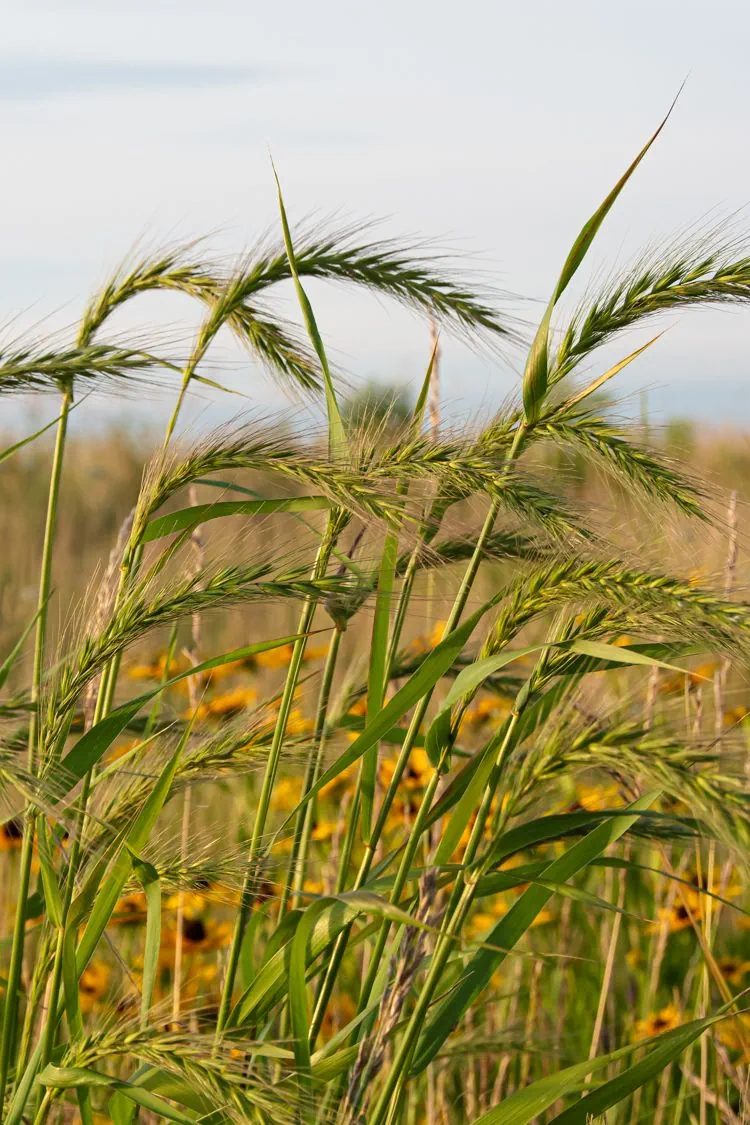
Photo Credits: Prairie Nursery
Common Name: Canada Wild Rye Grass
Scientific Name: Elymus canadensis
Other Names: Nodding Wild Rye and Great Plains Wild Rye.
Native Status: Native to the province of Ontario and much of North America.
Native Range: Most of Canada, Central United States, and Eastern United States. It has a wide distribution across prairies, meadows, and open woodlands.
Growth Habitat: Prairies, meadows, open woodlands, grasslands, roadsides, and disturbed natural areas. Thrives in open, sunny locations but adapts well to a range of conditions.
Growth Habit: Clump-forming, cool-season perennial grass. Grows upright with arching seed heads and does not spread aggressively.
Flowers: Produces distinctive, nodding flower spikes in early to mid-summer. The long awns give the seed heads a bristled appearance as they mature.
Foliage: Flat, medium-green leaves with a coarse texture. Foliage forms sturdy, upright clumps that provide structure in native plantings.
Height: Typically 90–150 cm (3–5 ft) tall when in flower.
Width: Clumps generally reach 45–75 cm (1.5–2.5 ft) wide.
Spread: Slow spread; remains well-behaved and does not form dense monocultures.
Seasonal Interest: Provides interest from spring through fall, with prominent seed heads in summer and lasting structure into early fall.
Seed Head/Flowering Time: Flowers in early to mid-summer. Produces nodding seed heads with long, bristled awns that mature through summer and persist into early fall.
Light Requirements: Full Sun ☀️ to Partial Shade ⛅️
Soil Type: Adaptable to a wide range of soil types, including loam, clay, and sandy soils, as long as drainage is adequate.
Moisture Requirements: Prefers moist to moderately dry soils but is tolerant of short periods of drought once established.
Wildlife Supported: Supports birds, insects, and small mammals. Birds feed on the seeds, and the foliage provides cover and nesting habitat.
Pollinator Value: Low direct nectar value, but important indirect support. Provides habitat and structure for pollinators and beneficial insects.
Host Plant Value: It acts as a host plant for the Zabulon Skipper Butterfly and False Wainscot Moth, where this grass provides a safe place for the females to lay their eggs and provides a food source for the caterpillars of this butterfly and moth species.
Habitat Benefits: Provides food, shelter, and nesting habitat for birds, insects, and small mammals. Its upright growth offers cover and protection within meadow and grassland habitats.
Biodiversity Contribution: Enhances biodiversity by supporting native insects and wildlife and by contributing to diverse, multi-layered plant communities without dominating surrounding species.
Role In Natural Ecosystems: Plays an important role in prairie, meadow, and open woodland ecosystems by contributing to soil stability, supporting food webs, and maintaining healthy native plant communities.
Landscape Uses: Well suited for native plant gardens, meadows, prairie plantings, restoration projects, and naturalized landscapes. Adds height and texture to mixed native plantings.
Drought/Flood Tolerance: Moderate drought tolerance once established. Low tolerance for prolonged flooding; prefers well-drained soils.
Compatibility With Other Native Plants: Highly compatible with other native grasses and wildflowers. Integrates well into diverse plantings without becoming aggressive.
Most Distinctive Feature: Nodding seed heads with long, bristled awns that create a dramatic, textured appearance in summer. Provides strong vertical interest and ecological value in native landscapes.
Canada Wild Rye Grass (Elymus canadensis) is a tall, upright native grass that adds structure and movement to meadows, prairies, and open woodland landscapes. Its flat, medium-green foliage forms sturdy clumps, while distinctive nodding seed heads emerge in early to mid-summer. These bristled seed heads arch gracefully from the stems, creating a textured, almost sculptural look that remains attractive through much of the growing season.
Beyond its visual appeal, Canada Wild Rye plays an important ecological role in native ecosystems. It provides food and shelter for birds, insects, and small mammals, and serves as a host plant for native insect species. Its clump-forming growth allows it to blend easily with wildflowers and other grasses without overwhelming surrounding plants. As a resilient native species, Canada Wild Rye supports biodiversity while offering a natural, prairie-inspired aesthetic for wildlife-friendly landscapes and restoration projects.
Invasive Ornamental Grass (Don’t Choose Me)
Chinese Silver Grass (Miscanthus sinensis)
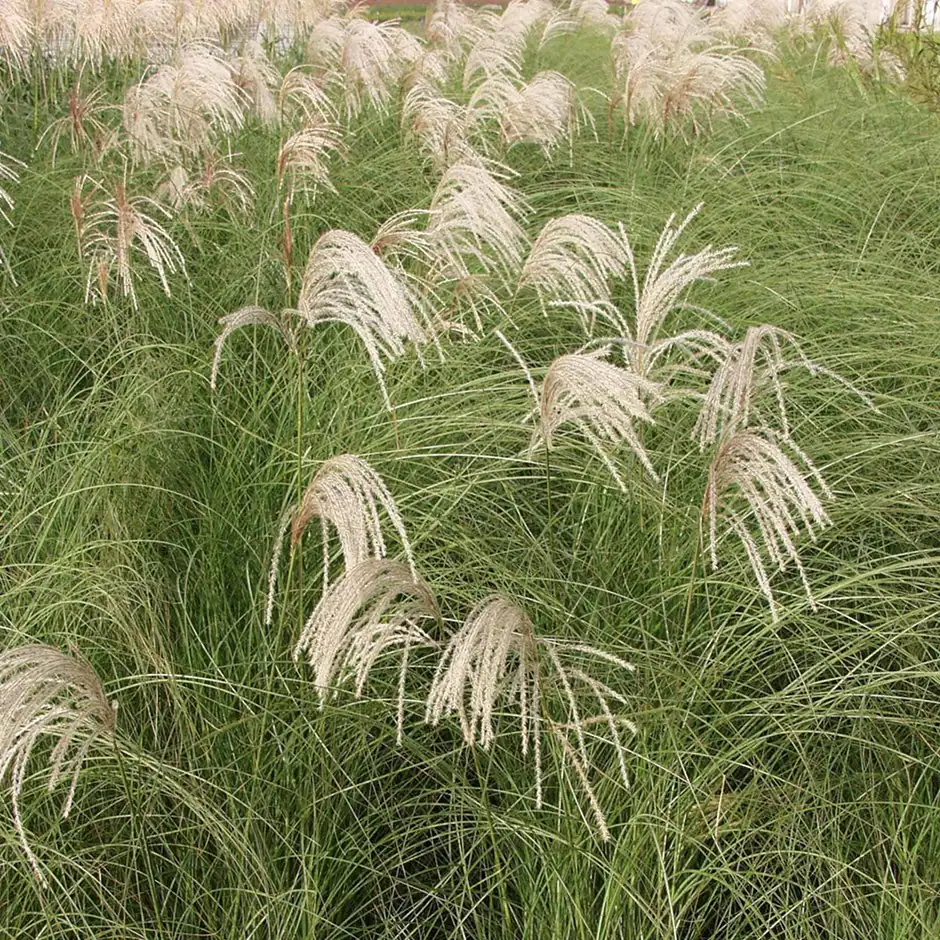
Photo Credits: RHS Plants
Common Name: Chinese Silver Grass
Scientific Name: Miscanthus sinensis
Other Names: Silver Grass, Eulalia Grass, Maiden Grass, and Japanese Silver Grass.
Invasive Status (Invasive / Highly Invasive: Invasive, Non Native. Considered invasive in parts of North America, including Ontario, where it escapes cultivation and spreads into natural areas.
Origin/Native Range: Native to Eastern Asia . Its native range Includes China, Japan, and Korea.
Growth Habit: Upright, clump-forming perennial grass that becomes increasingly spreading over time. Forms dense clumps that can expand and escape garden settings.
Height : Typically 5 - 10 feet tall when in flower.
Width: Clumps generally reach 3 - 6 feet wide.
Spread: Moderate to aggressive spread over time, with established clumps expanding outward and seedlings appearing beyond planting sites.
Spreading Method: Spreads by wind-dispersed seeds and slowly expanding rhizomes. Seeds readily establish in disturbed soils and natural areas.
Rate Of Spread: Moderate to fast. Seedlings establish easily, allowing populations to expand steadily into surrounding habitats.
Impact On Native Plants: Outcompetes native grasses and wildflowers by forming dense clumps that shade surrounding vegetation and occupy space and resources. Reduces native plant diversity, especially in open habitats.
Impact On Wildlife: Provides limited wildlife value compared to native grasses. Dense plantings reduce habitat diversity and offer fewer food and host resources for native insects, birds, and other wildlife.
Effect On Biodiversity: Chinese Silver Grass reduces biodiversity by spreading beyond cultivated areas and displacing native grasses and wildflowers. Its dense growth limits plant diversity and reduces the availability of habitat and food resources for native insects and wildlife.
Ecosystems Affected: Meadows, grasslands, roadsides, forest edges, old fields, utility corridors, and other open or disturbed habitats. It commonly invades areas adjacent to gardens and landscaped sites.
Difficulty To Control: Moderate to High. Established clumps are difficult to remove due to deep root systems, and ongoing seed production allows new plants to establish even after removal. Long-term management is often required.
Common Ways It Spreads: Spreads primarily through wind-dispersed seeds and the escape of cultivated plants into nearby natural areas. Seeds establish easily in disturbed soils.
Why Is It A Concern: Is a concern because it escapes ornamental plantings and spreads into natural habitats, where it competes with native vegetation and reduces biodiversity. Its continued sale and use in landscaping increase the risk of further spread, making it a long-term management issue in many regions.
Chinese Silver Grass (Miscanthus sinensis) is a tall, ornamental perennial grass valued for its arching foliage and showy flower plumes. Its narrow green leaves often have a pale midrib, and in late summer to fall it produces large, feathery flower heads that emerge silvery or pinkish before fading to tan. These plumes persist into winter, giving the plant strong visual appeal in ornamental landscapes and contributing to its popularity in gardens.
Despite its attractive appearance, Chinese Silver Grass poses ecological concerns when it escapes cultivation. It produces abundant wind-dispersed seeds that readily establish in disturbed and open habitats, allowing it to spread beyond gardens into natural areas. Once established, it can form dense stands that outcompete native grasses and wildflowers, reducing plant diversity and offering limited wildlife value. Its continued use in landscaping increases the risk of spread, making it a long-term concern for the health of native ecosystems.
Native Ornamental Grass (Choose Me)
Big Bluestem (Andropogon gerardii)
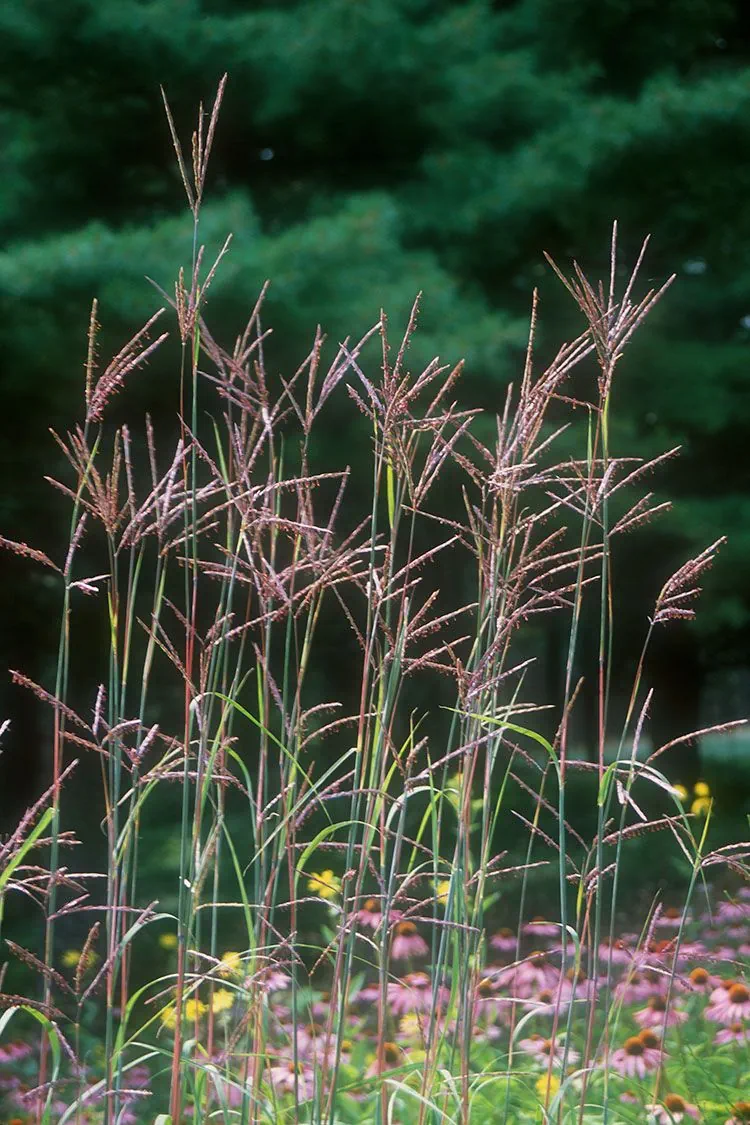 Big Bluestem (Summer Appearance)
Photo Credits: Prairie Nursery
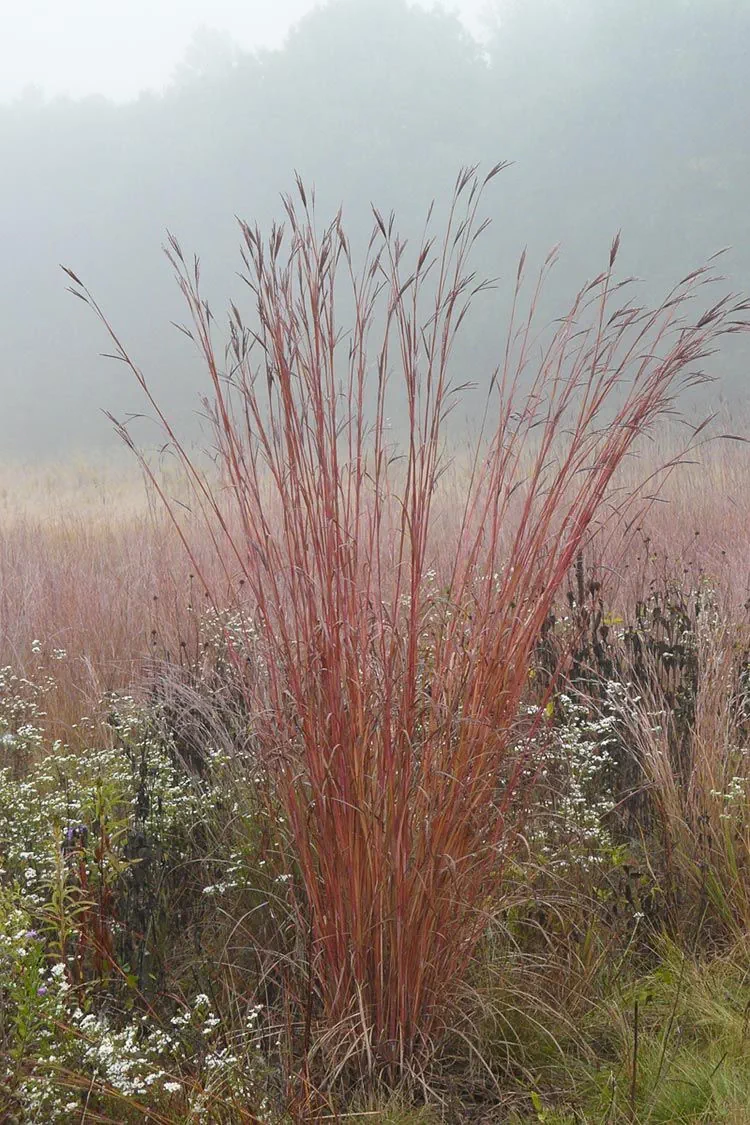 Big Bluestem ( Fall Appearance)
Photo Credits: Prairie Nursery
Common Name: Big Bluestem
Scientific Name: Andropogon gerardii
Other Names: Turkey Foot Grass and Tall Bluestem.
Native Status: Native to Ontario and most of North America.
Native Range: Central North America, and Eastern North America. Including Southern Canada (Ontario) and much of the United States.
Growth Habitat: Prairies, meadows, grasslands, open savannas, roadsides, and restoration sites. Prefers open, sunny environments.
Growth Habit: Upright, clump-forming warm-season perennial grass. Does not spread aggressively by rhizomes.
Flowers: Produces distinctive flowering stems with 2–3 finger-like branches resembling a turkey’s foot.
Foliage: Blue-green leaves during the growing season that turn coppery-red, bronze, or purple in fall.
Height: Typically 1.5–2.5 m (5–8 ft) tall when flowering.
Width: Clumps generally reach 60–90 cm (2–3 ft) wide.
Spread: Slow to moderate spread; remains well-behaved and non-invasive.
Seasonal Interest: Strong interest from summer through winter, with dramatic fall colour and persistent seed heads and stems.
Seed Head/Flowering Time: Flowers in late summer to early fall. Seed heads persist into winter, providing structure and food for wildlife.
Light Requirements: Full Sun ☀️
Soil Type: Adaptable to a wide range of soils, including loam, clay, and sandy soils, provided drainage is adequate.
Moisture Requirements: Prefers moderately moist soils but is highly drought tolerant once established.
Wildlife Supported: Supports birds, insects, and small mammals. Seeds provide food for birds, and dense clumps offer shelter and nesting habitat.
Pollinator Value: Low direct nectar value, but important indirect support. Provides habitat and structure for pollinators and beneficial insects.
Host Plant Value: It serves as a host plant for the Delaware Skipper Butterfly, Dusted Skipper Butterfly, and Cobweb Skipper Butterfly. This grass gives the females a safe place to lay their eggs, and provides a food source for the caterpillars of these butterfly species.
Habitat Benefits: Stabilizes soil, improves soil health through deep root systems, provides erosion control, and supports diverse prairie ecosystems.
Biodiversity Contribution: Big Bluestem is a keystone species that supports high levels of biodiversity. It provides food and habitat for a wide range of native insects, birds, and wildlife and helps sustain complex prairie food webs.
Role In Natural Ecosystems: Plays a foundational role in tallgrass prairie and grassland ecosystems by stabilizing soil with deep root systems, improving soil health, and supporting native plant and animal communities.
Landscape Uses: Ideal for native plant gardens, prairie and meadow plantings, restoration projects, erosion control, and naturalized landscapes. Adds height, structure, and seasonal interest.
Drought/Flood Tolerance: Highly drought tolerant once established due to deep roots. Tolerates occasional flooding but does not perform well in consistently saturated soils.
Compatibility With Other Native Plants: Highly compatible with other prairie grasses and wildflowers. Integrates well into diverse plantings without becoming aggressive or dominant.
Most Distinctive Feature: Tall stature, blue-green foliage, dramatic fall colour, and unique “turkey foot” seed heads. Its deep root system and ecological importance make it one of the most valuable native grasses.
Big Bluestem (Andropogon gerardii) is a tall, iconic native grass best known for its strong vertical presence and graceful movement in open landscapes. Its blue-green foliage forms sturdy clumps through summer, rising into tall flowering stems topped with distinctive three-pronged seed heads often compared to a turkey’s foot. As autumn approaches, the foliage transforms into rich shades of copper, bronze, and deep red, providing striking seasonal colour that persists into winter.
Beyond its visual appeal, Big Bluestem plays a critical ecological role as a keystone species in prairie and grassland ecosystems. Its deep root system improves soil health, stabilizes ground, and increases drought resilience, while also supporting a wide variety of native insects, birds, and wildlife. Big Bluestem integrates well with other native grasses and wildflowers, creating diverse, resilient plant communities. As a native ornamental grass, it offers both dramatic beauty and long-term ecological benefits in wildlife-friendly landscapes and restoration projects.
Invasive Ornamental Grass (Don’t Choose Me)
Cogon Grass (Imperata cylindrica)
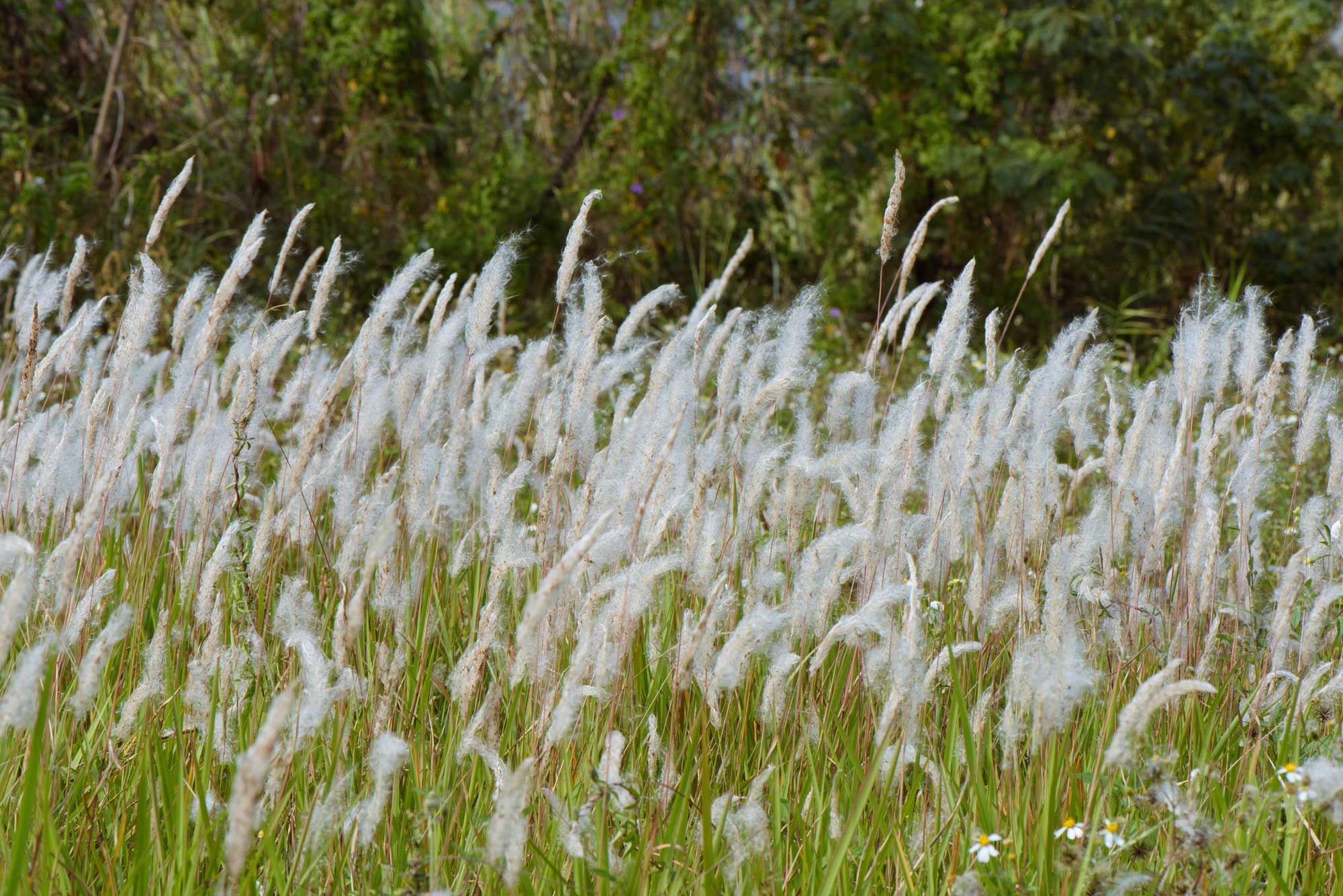
Photo Credits: Cheng - Tao Lin from iNaturalist
Common Name: Cogon Grass
Scientific Name: Imperata cylindrica
Other Names: Blady Grass, Kunai Grass, Alang - alang, and Satintail Grass.
Invasive Status (Invasive / Highly Invasive: Highly Invasive, Non Native. Listed as one of the world’s worst invasive plant species. It is considered a serious invasive threat in North America.
Origin/Native Range: Native to Southeast Asia, Africa, and Australia. Introduced to other regions through ornamental plantings, erosion control, and packing materials.
Growth Habit: Aggressively spreading, rhizomatous perennial grass. Forms dense, continuous mats that exclude other vegetation.
Height : Typically 0.6–1.2 m (2–4 ft) tall
Width: Individual plants form narrow clumps about 30–60 cm (12–24 in) wide; spreads rapidly by rhizomes to create dense mats covering large areas.
Spread: Extremely aggressive spread, forming extensive monocultures.
Spreading Method: Spreads through underground rhizomes and wind-dispersed seeds. Rhizome fragments easily establish new plants.
Rate Of Spread: Very fast / aggressive. Colonies can expand rapidly in a single growing season.
Impact On Native Plants: Outcompetes native plants by forming dense mats that monopolize space, nutrients, and light. Prevents native species from establishing and dramatically reduces plant diversity.
Impact On Wildlife: Provides very poor habitat value. Dense monocultures reduce food availability and shelter for insects, birds, and other wildlife, leading to degraded ecosystem function.
Effect On Biodiversity: Cogon Grass drastically reduces biodiversity by forming dense, nearly impenetrable mats that prevent native plants from establishing. This leads to simplified plant communities and a sharp decline in the insects, birds, and other wildlife that depend on native vegetation.
Ecosystems Affected: Grasslands, savannas, pine forests, forest edges, roadsides, disturbed soils, utility corridors, and open natural areas. While more common in warmer regions, it poses serious risks wherever it becomes established.
Difficulty To Control: Very high. Cogon Grass is extremely difficult to eradicate due to its extensive rhizome network, rapid regrowth, and ability to resprout after cutting or burning. Effective control often requires repeated, long-term management.
Common Ways It Spreads: Spreads through underground rhizomes, wind-dispersed seeds, and the movement of soil or plant fragments by construction, mowing, road maintenance, and landscaping activities.
Why Is It A Concern: It is a major concern because it spreads aggressively, displaces native plants, and significantly alters ecosystem structure. It increases fire risk due to its highly flammable foliage and creates persistent infestations that are costly and difficult to manage, making it a serious long-term ecological threat.
Cogon Grass (Imperata cylindrica) is a dense, perennial grass with narrow, upright green leaves that often have sharp edges and a distinctive off-center white midrib. The foliage grows from tough underground rhizomes and forms low, compact clumps that can quickly merge into continuous mats. In spring and early summer, Cogon Grass produces fluffy, white, plume-like flower heads that can appear attractive at first glance, which has contributed to its spread through ornamental use in the past.
Despite its seemingly delicate flowers, Cogon Grass is one of the most aggressive invasive grasses in the world. It spreads rapidly through extensive rhizomes and wind-dispersed seeds, allowing it to dominate landscapes and exclude native plants. These dense infestations drastically reduce biodiversity, provide little value to wildlife, and alter natural ecosystem processes. Cogon Grass also increases fire risk due to its highly flammable foliage and is extremely difficult to control once established, making it a serious long-term threat to natural areas where it becomes established.
Native Ornamental Grass (Choose Me)
Little Bluestem (Schizachyrium scoparium)
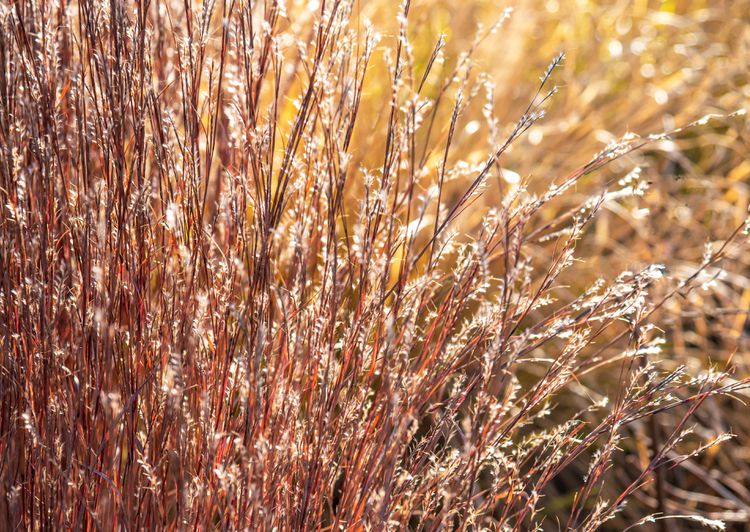
Photo Credits: The Spruce / Evgeniya Vlasova
Common Name: Little Bluestem
Scientific Name: Schizachyrium scoparium
Other Names: Prairie Beard Grass and Broom Beard Grass.
Native Status: Native to the province of Ontario and much of North America.
Native Range: Native to most of North America including Southern Canada and The United States.
Growth Habitat: Prairies, grasslands, meadows, open savannas, roadsides, dry open slopes, and well-drained natural areas.
Growth Habit: Upright, clump-forming warm-season perennial grass. Does not spread aggressively by rhizomes.
Flowers: Produces delicate flowering stems with fine, silvery seed heads that give the plant a soft, airy appearance.
Foliage: Blue-green leaves during the growing season that turn copper, orange, or reddish-bronze in fall.
Height: Typically 60–120 cm (2–4 ft) tall when flowering.
Width: Clumps generally reach 30–60 cm (1–2 ft) wide.
Spread: Slow spread; remains well-behaved and non-invasive.
Seasonal Interest: Strong interest from summer through winter, with vivid fall colour and persistent seed heads that provide winter structure.
Seed Head/Flowering Time: Flowers in late summer to early fall. Seed heads persist into winter.
Light Requirements: Full Sun ☀️
Soil Type: Prefers well-drained soils; adapts to sandy, loamy, or rocky soils.
Moisture Requirements: Prefers dry to moderately moist soils. Highly drought tolerant once established; does not tolerate wet or poorly drained conditions.
Wildlife Supported: Supports a wide range of wildlife, including birds, insects, and small mammals. Birds feed on the seeds, and the foliage provides shelter and nesting habitat.
Pollinator Value: Low direct nectar value, but important indirect support. Provides habitat and structure for pollinators and beneficial insects.
Host Plant Value: It acts as a host plant for the Leonard’s Skipper Butterfly, Indian Skipper Butterfly, Dakota Skipper, and Common Wood Nymph Butterfly. This grass provides a safe place for the females to lay their eggs on the grass foliage, and then provides a food source for the caterpillars of these butterfly species.
Habitat Benefits: Provides shelter, nesting cover, and overwintering habitat for insects and wildlife. Its deep roots help stabilize soil and reduce erosion. This grass provides seeds for winter food and dense clumps for cover and nesting for ground nesting birds. Supports Queen Bumble Bees since they nest at the base of this grass.
Biodiversity Contribution: Strongly contributes to biodiversity by supporting native insects, birds, and wildlife and maintaining diverse, healthy plant communities.
Role In Natural Ecosystems: Plays a key role in prairie, grassland, and savanna ecosystems by contributing to soil stability, nutrient cycling, and food web support.
Landscape Uses: Ideal for native plant gardens, prairie and meadow plantings, dry landscapes, slopes, and restoration projects. Adds texture and dramatic seasonal colour.
Drought/Flood Tolerance: Highly drought tolerant once established. Low flood tolerance; does not perform well in wet or poorly drained soils.
Compatibility With Other Native Plants: Highly compatible with other prairie grasses and wildflowers. Integrates well into mixed plantings without becoming aggressive.
Most Distinctive Feature: Blue-green summer foliage that turns vibrant copper, orange, and red in fall, along with fine-textured seed heads that persist into winter.
Little Bluestem (Schizachyrium scoparium) is a compact, upright native grass known for its fine texture and striking seasonal colour. During the growing season, its narrow leaves appear blue-green, forming tidy clumps that add soft movement to prairies and open landscapes. In late summer, delicate flowering stems rise above the foliage, producing silvery seed heads that catch the light and remain attractive well into winter.
As autumn arrives, Little Bluestem transforms into vivid shades of copper, orange, and deep red, making it one of the most visually dynamic native grasses. Beyond its beauty, it plays an important ecological role by supporting native insects, birds, and wildlife, while its deep root system helps stabilize soil and improve ecosystem resilience. Its non-aggressive growth allows it to blend easily with wildflowers and other grasses, making Little Bluestem a valuable and reliable choice for wildlife-friendly gardens, prairie plantings, and restoration projects.
Invasive Ornamental Grass (Don’t Choose Me)
Johnson Grass (Sorghum halepense)
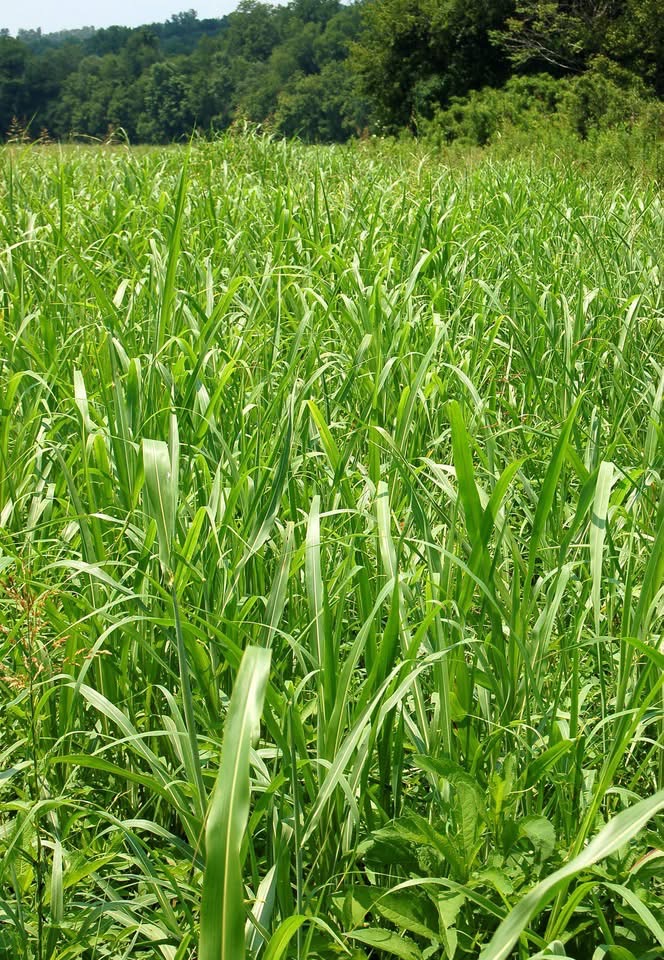
Johnson Grass (Spring Appearance)
Photo Credits: Jai Fiji from the Fiji Kisaan Family Friends Facebook Group
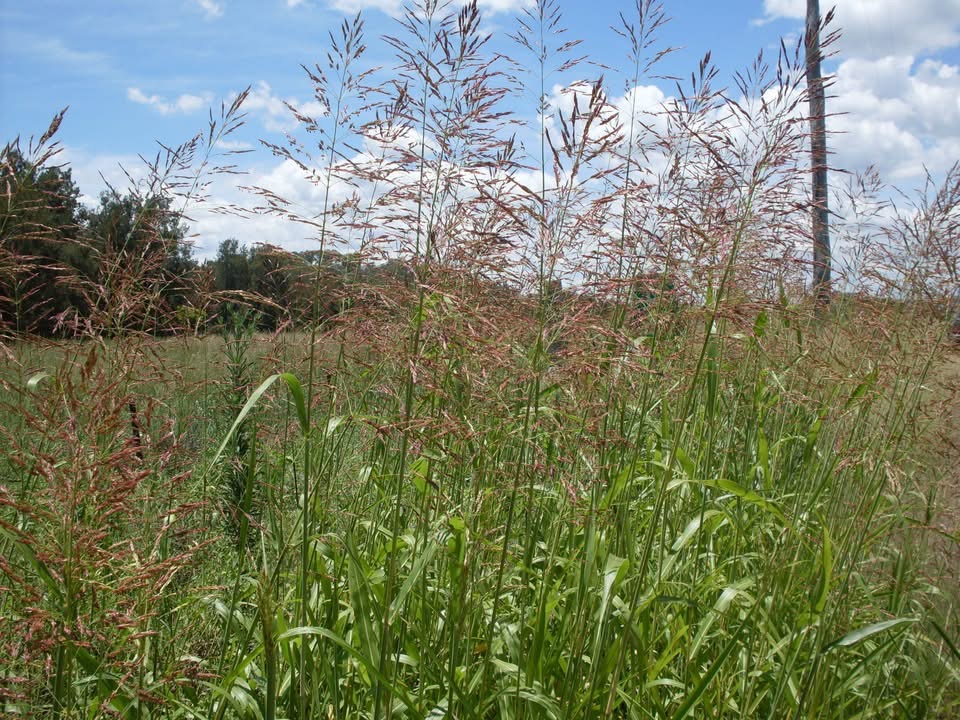
Johnson Grass (Summer Appearance)
Photo Credits: Jai Fiji from the Fiji Kisaan Family Friends Facebook Group
Common Name: Johnson Grass
Scientific Name: Sorghum halepense
Other Names: Egyptian Millet and Means Grass.
Invasive Status (Invasive / Highly Invasive: High Invasive, Non Native. Listed as a serious invasive species in Canada and the United States, particularly in agricultural and disturbed landscapes.
Origin/Native Range: Native to the Mediterranean region, parts of Africa, and Western Asia. Introduced to North America in the 1800s for forage and erosion control.
Growth Habit: Aggressively spreading, rhizomatous perennial grass. Forms tall, dense stands through extensive underground rhizomes.
Height : Typically 1–2.5 m (3–8 ft) tall
Width: Individual clumps can reach 60–120 cm (2–4 ft) wide, but colonies expand far beyond this through rhizomes.
Spread: Rapid and aggressive spread, forming large monocultures that dominate open areas.
Spreading Method: Spreads through underground rhizomes and abundant seed production. Rhizome fragments readily establish new plants, and seeds are spread by wind, water, animals, and human activity.
Rate Of Spread: Very fast / aggressive. Can expand several meters per year under favourable conditions.
Impact On Native Plants: Outcompetes native plants by forming dense stands that block sunlight and monopolize water and nutrients. Displaces native grasses and wildflowers, leading to reduced plant diversity.
Impact On Wildlife: Provides limited wildlife value compared to native species. Dense monocultures reduce habitat diversity and food availability for insects, birds, and other wildlife.
Effect On Biodiversity: Johnson Grass significantly reduces biodiversity by forming dense, fast-growing stands that replace native plant communities. This leads to fewer native plant species and reduced habitat and food resources for insects, birds, and other wildlife.
Ecosystems Affected: Grasslands, meadows, agricultural fields, roadsides, disturbed soils, riverbanks, and open natural areas. It is especially common in disturbed and nutrient-rich habitats.
Difficulty To Control: Very high. It is difficult to control due to its deep, extensive rhizome system and high seed production. It can rapidly regrow after cutting or disturbance, requiring long-term management.
Common Ways It Spreads: Spreads through underground rhizomes, seeds dispersed by wind and water, contaminated soil, machinery, agricultural activities, and roadside maintenance.
Why Is It A Concern: This grass species is a major concern because it spreads rapidly, displaces native plants, and disrupts natural ecosystems. It also impacts agriculture by competing with crops and increasing management costs. Once established, it is difficult to eradicate, making it a persistent ecological and economic threat.
Johnson Grass (Sorghum halepense) is a tall, robust perennial grass with broad green leaves and thick, upright stems that resemble cultivated sorghum. In summer, it produces large, open flower panicles that develop into abundant seeds, giving the plant a coarse, leafy appearance in open fields and disturbed landscapes. Its vigorous growth and ability to thrive in a wide range of conditions have contributed to its widespread establishment beyond its original range.
Once established, Johnson Grass becomes highly invasive and difficult to control. It spreads aggressively through extensive underground rhizomes and prolific seed production, allowing it to rapidly dominate grasslands, roadsides, and natural areas. Dense stands outcompete native plants, reduce biodiversity, and degrade wildlife habitat, while also posing challenges for agriculture and land management. Its persistence and rapid spread make Johnson Grass a serious long-term threat to both natural ecosystems and cultivated landscapes.
Native Ornamental Grass (Choose Me)
Side Oats Grama (Bouteloua curtipendula)
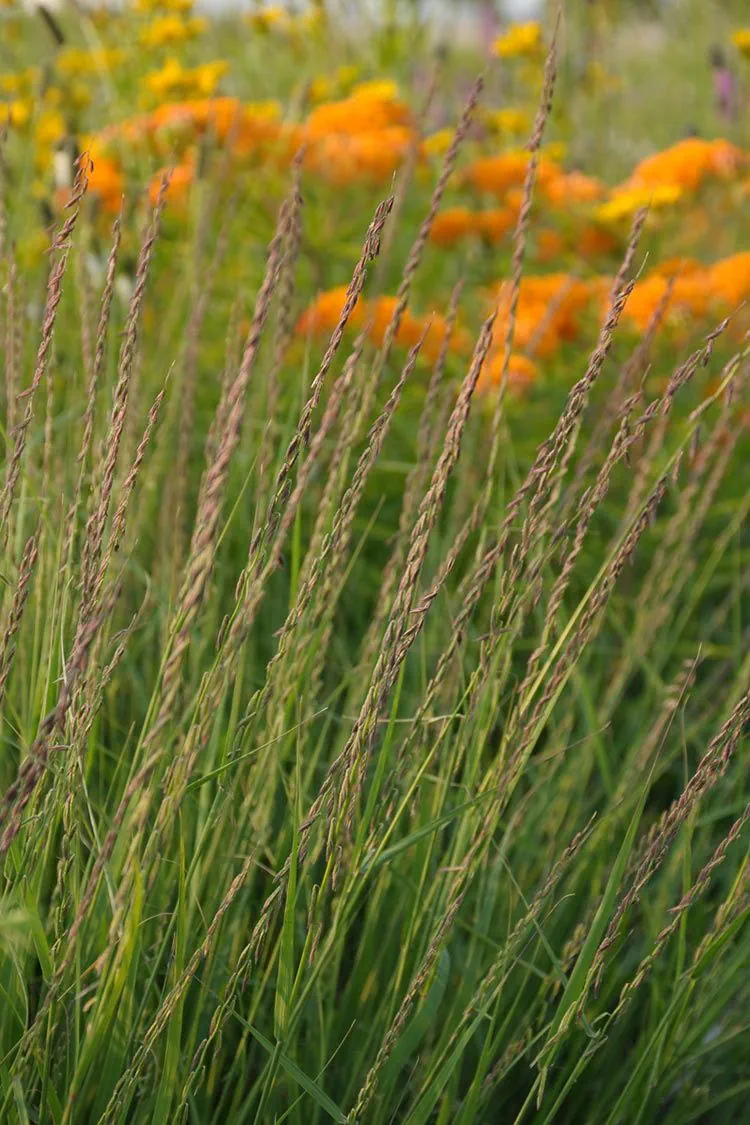
Side Oats Grama (Summer Appearance)
Photo Credits: Prairie Nursery
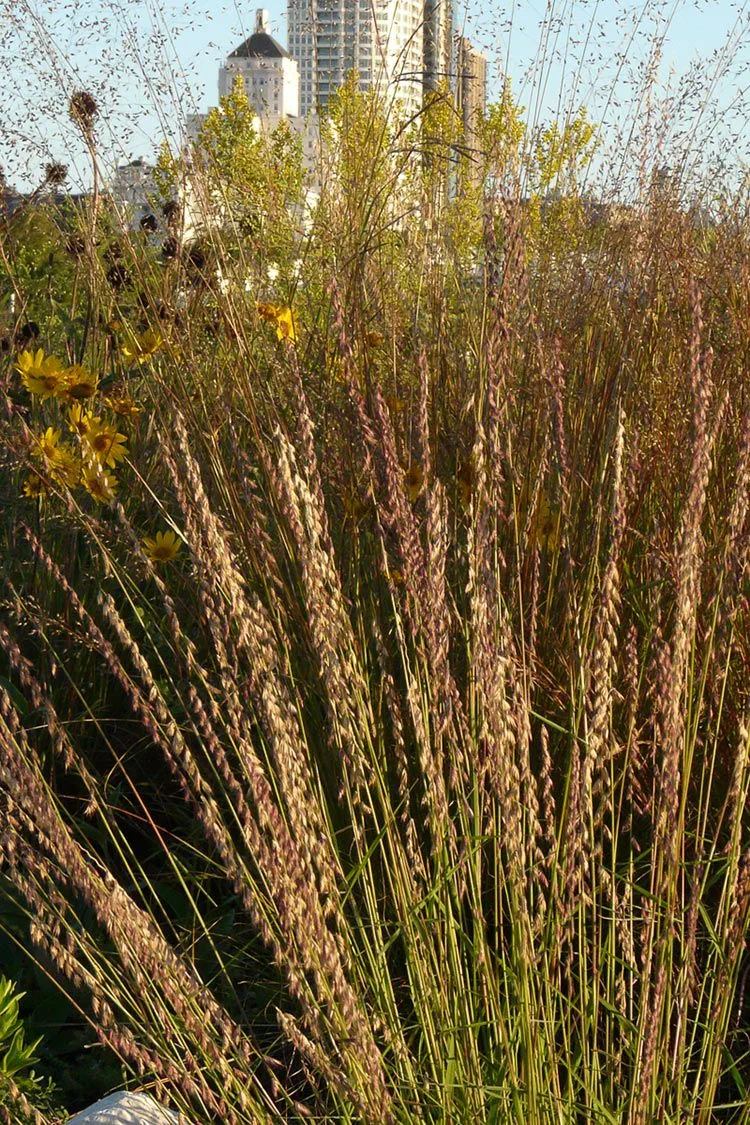
Side Oats Grama (Fall Appearance)
Photo Credits: Prairie Nursery
Common Name: Side Oats Grama
Scientific Name: Bouteloua curtipendula
Other Names: Side Oat Grass, Prairie Grama, Bouteloua Grass, and Tall Grama Grass.
Native Status: Native to the province of Ontario and much of North America.
Native Range: Central North America and Eastern North America including Southern Canada (Ontario), and The United States.
Growth Habitat: Prairies, grasslands, meadows, open savannas, dry slopes, and well-drained open areas. Common in sunny, open habitats.
Growth Habit: Upright, clump-forming warm-season perennial grass. Does not spread aggressively by rhizomes.
Flowers: Produces distinctive flowering stems with oat-like spikelets that hang along one side of the stem, giving the plant its name.
Foliage: Narrow, blue-green leaves that form tidy clumps and remain attractive through the growing season.
Height: Typically 60–120 cm (2–4 ft) tall when flowering.
Width: Clumps generally reach 30–60 cm (1–2 ft) wide.
Spread: Slow spread, remains well behaved and non invasive.
Seasonal Interest: Provides interest from summer through fall, with unique seed heads and warm golden tones in late season.
Seed Head/Flowering Time: Flowers in mid- to late summer. Seed heads persist into fall.
Light Requirements: Full Sun ☀️
Soil Type: Prefers well-drained soils; adapts to sandy, rocky, or loamy soils.
Moisture Requirements: Prefers dry to moderately moist soils. Highly drought tolerant once established; does not tolerate poorly drained or saturated soils.
Wildlife Supported: Supports a variety of wildlife, including birds, insects, and small mammals. Birds feed on the seeds, and the foliage provides shelter and nesting habitat.
Pollinator Value: Low direct nectar value, but important indirect support. Provides habitat and structure for pollinators and beneficial insects.
Host Plant Value: It is a crucial host plant for numerous native skipper butterflies including the Dotted Skipper Butterfly, Leonard’s Skipper Butterfly, and Ottoe Skipper Butterfly. This grass species provides a safe place for the females of these skipper butterflies to lay their eggs, and it also provides a food source for their caterpillars once they hatch from the eggs. It is also a host plant for the Virginia Ctenucha Moth.
Habitat Benefits: Provides shelter, nesting cover, and overwintering habitat for insects and wildlife. Its deep root system helps stabilize soil and reduce erosion.
Biodiversity Contribution: Contributes strongly to biodiversity by supporting native insects and wildlife and by integrating into diverse plant communities without dominating other species.
Role In Natural Ecosystems: Plays an important role in prairie, grassland, and savanna ecosystems by supporting food webs, stabilizing soil, and maintaining healthy native plant communities.
Landscape Uses: Ideal for native plant gardens, prairie and meadow plantings, dry landscapes, slopes, erosion control, and restoration projects. Adds texture and unique visual interest.
Drought/Flood Tolerance: Highly drought tolerant once established. Low flood tolerance; does not perform well in wet or poorly drained soils.
Compatibility With Other Native Plants: Highly compatible with other prairie grasses and wildflowers. Integrates well into mixed native plantings without becoming aggressive.
Most Distinctive Feature: Unique oat-like seed heads arranged along one side of the stem, blue-green foliage, and graceful upright form. Its distinctive flowering structure makes it one of the most recognizable native prairie grasses.
Side Oats Grama (Bouteloua curtipendula) is a graceful native prairie grass known for its distinctive flowering stems and elegant form. Its narrow, blue-green leaves form tidy clumps that add texture and movement to open landscapes. In mid to late summer, the plant produces unique oat-like spikelets that hang along one side of the stem, creating a delicate, cascading appearance that sets it apart from other grasses. As the season progresses, the foliage and seed heads take on warm golden tones, adding subtle colour and interest to late-summer and fall landscapes.
Beyond its ornamental beauty, Side-Oats Grama plays an important ecological role in prairie and grassland ecosystems. Its deep root system helps stabilize soil and improve drought resilience, while its seeds and foliage provide food and shelter for birds, insects, and other wildlife. Its clump-forming, non-aggressive growth allows it to coexist easily with wildflowers and other native grasses, making it an excellent choice for native plant gardens and restoration projects. As a native ornamental grass, Side-Oats Grama offers both visual elegance and meaningful ecological value in wildlife-friendly landscapes.
Why are Invasive Ornamental Grasses not good to plant?
Invasive ornamental grasses may appear attractive, low-maintenance, or fast-growing, but their impacts extend far beyond garden boundaries. Once planted, many invasive grasses spread rapidly into natural areas through seeds and underground rhizomes. This allows them to escape cultivation and establish themselves in wetlands, forests, grasslands, and other ecosystems where they do not belong.
As invasive grasses spread, they outcompete native plants for light, space, water, and nutrients. Over time, they form dense monocultures that displace diverse native plant communities. This loss of plant diversity leads to fewer food sources and habitats for insects, birds, and other wildlife. Because many native species depend on specific plants for survival, the spread of invasive grasses can disrupt entire food webs and reduce overall biodiversity.
Invasive ornamental grasses can also alter natural ecosystems in other ways. They may change soil conditions, increase erosion, disrupt water flow in wetlands, and even raise the risk of wildfires due to their dense, flammable growth. Once established, invasive grasses are extremely difficult and costly to control, often requiring long-term management efforts with limited success.
Why are Native Ornamental Grasses the best choice?
Native ornamental grasses are among the most valuable plants we can include in our landscapes. Because they evolved alongside local ecosystems over thousands of years, they are naturally adapted to regional climates, soils, and seasonal conditions. This makes them resilient, sustainable, and well suited for gardens without the need for excessive watering, fertilizers, or maintenance.
Unlike invasive species, native grasses support biodiversity rather than threatening it. They provide essential food, shelter, and habitat for native insects, birds, and other wildlife. Many native grasses serve as host plants for butterfly and moth larvae, while their seeds feed birds and their dense growth offers nesting and overwintering sites. By planting native grasses, gardeners help strengthen local food webs and create healthier ecosystems.
Native ornamental grasses also contribute to environmental stability. Their deep root systems improve soil structure, reduce erosion, and enhance drought resistance. In wetlands and grasslands, they help regulate water flow and maintain balanced plant communities. Because they coexist harmoniously with other native plants, they encourage diverse, layered landscapes instead of monocultures.
Beyond their ecological benefits, native ornamental grasses are beautiful and versatile. They offer texture, movement, seasonal colour, and structure throughout the year, making them excellent choices for gardens, meadows, and restoration projects. Choosing native grasses allows gardeners to create visually stunning landscapes while actively supporting wildlife and protecting natural ecosystems.
What to do if you have Invasive Ornamental Grasses on your property:
Discovering an invasive ornamental grass on your property can feel overwhelming, but it’s important to remember that many invasive plants were once widely recommended and sold in gardens. Having an invasive species does not mean you’ve done something wrong. It simply means you now have an opportunity to make a positive difference.
The first step is identification. Confirming the species helps you understand how it spreads and what level of action is appropriate. Some invasive grasses spread primarily by seed, while others expand through underground rhizomes. Understanding this behavior can help guide management decisions.
In many cases, small infestations can be managed through careful removal. Digging out plants before they set seed, removing as much of the root system as possible, and monitoring the area over time can help reduce spread. For larger or established patches, gradual control may be more realistic than immediate removal. Cutting back seed heads, limiting spread into nearby natural areas, and preventing soil disturbance can all make a meaningful difference.
Replacing invasive grasses with native alternatives is one of the most effective and rewarding steps. Native grasses and plants not only prevent re-invasion but also restore habitat for wildlife and strengthen local ecosystems. Even small changes can have a positive impact over time.
Finally, patience is key. Managing invasive grasses is often a long-term process, and progress can be gradual. Every effort, no matter how small, contributes to healthier landscapes and more resilient ecosystems. By learning, adapting, and choosing native plants when possible, gardeners become important partners in protecting biodiversity.
How to prevent the planting of Invasive Ornamental Grasses :
Preventing the spread of invasive ornamental grasses begins with awareness and informed choices. Many invasive grasses were once promoted as attractive, low-maintenance plants, and some are still sold or recommended in landscaping. Learning to recognize invasive species and understanding their impacts is one of the most important steps in preventing their spread.
Before purchasing ornamental grasses, it can be helpful to research whether a species is native, non-native, or invasive in your region. Choosing native grasses or well-behaved, non-invasive alternatives reduces the risk of plants escaping into natural areas. Garden centres, native plant nurseries, and local conservation organizations can be valuable sources of information and guidance.
Gardeners and landscapers can also play a role by sharing knowledge with others. Recommending native plants, asking questions about plant origins, and discussing ecological impacts in a respectful way can help shift planting habits over time. Even small conversations can inspire more thoughtful choices and greater awareness.
Community-level actions also matter. Supporting native plant initiatives, participating in local restoration projects, and encouraging responsible landscaping practices help create broader change. Preventing invasive plantings is not about perfection, it’s about progress. Each informed choice contributes to healthier ecosystems and more resilient landscapes.
How to add Native Ornamental Grasses to your property :
Adding native ornamental grasses to your property can be a rewarding and meaningful way to support wildlife and create a healthier landscape. Whether you are starting a new garden or gradually replacing existing plants, small steps can make a big difference. You don’t need to transform your entire yard at once, native grasses can be introduced slowly and thoughtfully over time.
A helpful first step is to observe your property and understand the conditions of different areas, such as sunlight, soil type, and moisture levels. Some native grasses thrive in sunny, dry spaces, while others prefer moist or partially shaded environments. Choosing species that naturally match your site conditions increases their chances of thriving with minimal maintenance.
Starting with a few plants is often the easiest approach. Native grasses can be added along garden borders, mixed with wildflowers, planted in clusters, or used to replace small patches of lawn. Buying plants from native plant nurseries or local growers helps ensure you are selecting species adapted to your region. When planting, giving grasses enough space to grow and allowing natural groupings can create a more natural and resilient landscape.
Over time, native grasses will establish deep root systems that improve soil health, reduce erosion, and support wildlife. Leaving seed heads and stems standing through fall and winter can provide food and shelter for birds and insects. Most importantly, patience is key, native landscapes often become more beautiful and vibrant as they mature.
Choosing native ornamental grasses is not about perfection, but about intention. Each native plant added to your property contributes to stronger ecosystems and a more balanced relationship between gardens and nature.
Where To Buy Native Ornamental Grasses :
Finding native ornamental grasses can sometimes feel challenging, especially because many garden centres still focus on non-native or ornamental varieties. However, there are several reliable places where native grasses can be purchased, and knowing where to look makes the process much easier.
One of the best places to buy native ornamental grasses is native plant nurseries. These nurseries specialize in plants that are native to local ecosystems and often provide species adapted to regional climates and soils. Staff at native plant nurseries are usually knowledgeable and can help recommend grasses suited to specific growing conditions.
Local conservation organizations, botanical gardens, and environmental groups may also host native plant sales, particularly in spring and fall. These events often feature regionally appropriate species and support habitat restoration efforts. Some independent garden centres and specialty nurseries may also carry native grasses, although it is important to check plant labels carefully, as plants marketed as “ornamental” are not always native.
In Ontario, three well-known places to purchase native ornamental grasses and other native plants are Native Plants in Claremont Inc., Kayanase Greenhouse, and Ontario Native Plants. These nurseries specialize in native species and offer a wide range of grasses, wildflowers, shrubs, and trees suitable for local ecosystems. They each have both a website and a Facebook page, where you can explore their plant selections, learn more about native species, and see what is currently available. In other parts of Canada there are local Garden Centres and Plant Nurseries that specialize in native plants for those areas, you just have to re search online.
Choosing reputable sources not only ensures healthier plants but also helps prevent the accidental spread of invasive species. By supporting native plant growers and organizations, gardeners play an important role in protecting local ecosystems and encouraging responsible, wildlife-friendly landscaping.
Helpful Tips when buying Native Ornamental Grasses :
• Look for the scientific name on plant labels to confirm that the species is truly native to your region.
• Ask whether the plant is native, non-native, or potentially invasive in your area.
• Choose grasses that match your site conditions, such as sunlight, soil type, and moisture levels.
• Buy plants from native plant nurseries or reputable growers that specialize in local species.
• Avoid grasses marketed as “fast-spreading” or “low-maintenance” without checking their ecological impact.
• Whenever possible, choose locally grown or regionally adapted plants, as they are better suited to your climate.
• Start with a few native grasses rather than trying to replace everything at once.
• Learn about the growth habit of each grass (clumping vs. spreading) to ensure it fits your garden goals.
• Be cautious of ornamental grasses commonly sold in big-box stores, as many are non-native or invasive.
• Use native grasses as part of a diverse planting that includes wildflowers and other native plants.
Ornamental grasses play a larger role in our landscapes than many people realize. While some species can quietly harm ecosystems by spreading beyond garden boundaries, others provide essential support for wildlife and contribute to healthy, balanced environments. Understanding the difference between invasive and native ornamental grasses is an important step toward more informed and responsible gardening.
Choosing native ornamental grasses is a powerful way to protect biodiversity, strengthen local ecosystems, and create landscapes that benefit both people and wildlife. Even small changes such as replacing one invasive species or adding a few native grasses, can make a meaningful difference over time.
Gardening is a learning journey, and no one is expected to have all the answers at once. By exploring native plants, sharing knowledge, and making thoughtful choices, gardeners become active participants in conservation. With each native grass planted, we help create more resilient habitats and a future where gardens and nature thrive together.
This article was inspired by The Grow Me Instead Guide, created by the Ontario Invasive Species Council, which highlights the importance of replacing invasive plants with native and non-invasive alternatives.
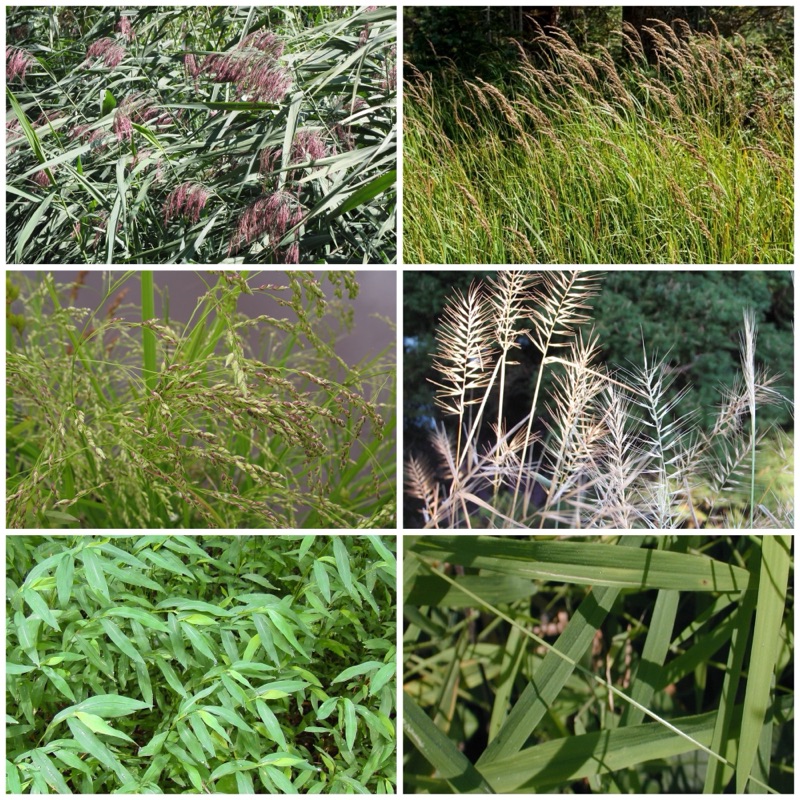
Photo Credits: lgor Sheremetyev, Prairie Restoration Inc., Marliee Lovit, Johnson’s Nursery, Rebekah D. Wallace, and John Hilty.
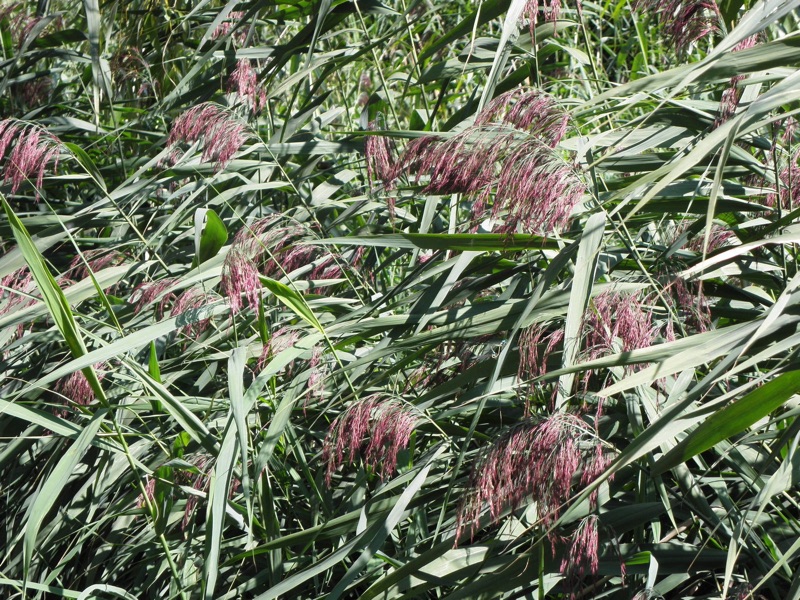
Photo Credits: lgor Sheremetyev
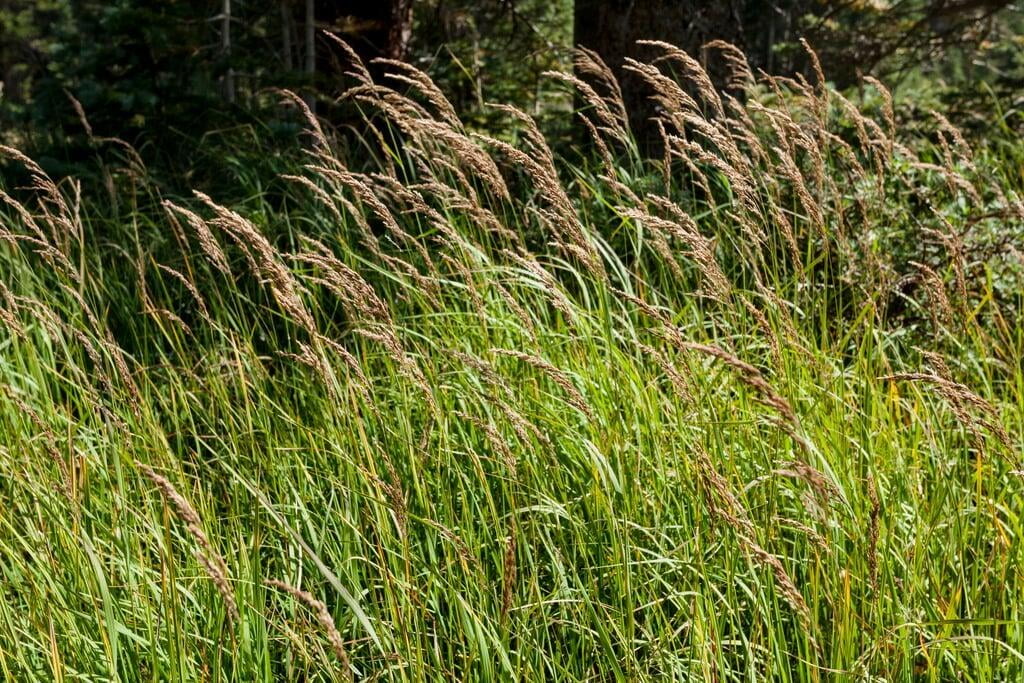
Photo Credits: Prairie Restoration Inc.
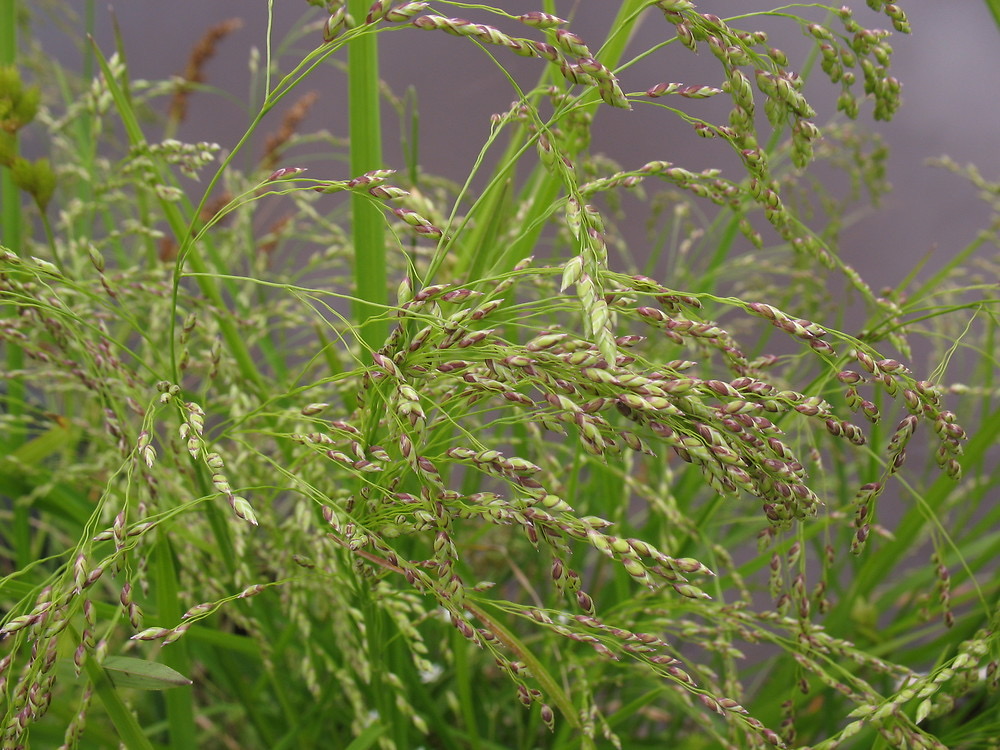
Photo Credits: Marliee Lovit
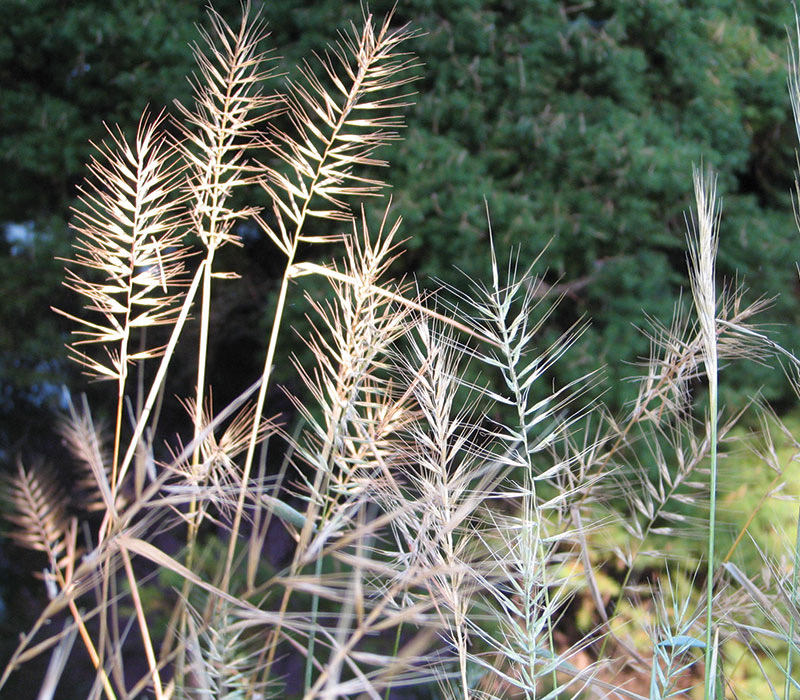
Photo Credits: Johnson’s Nursery
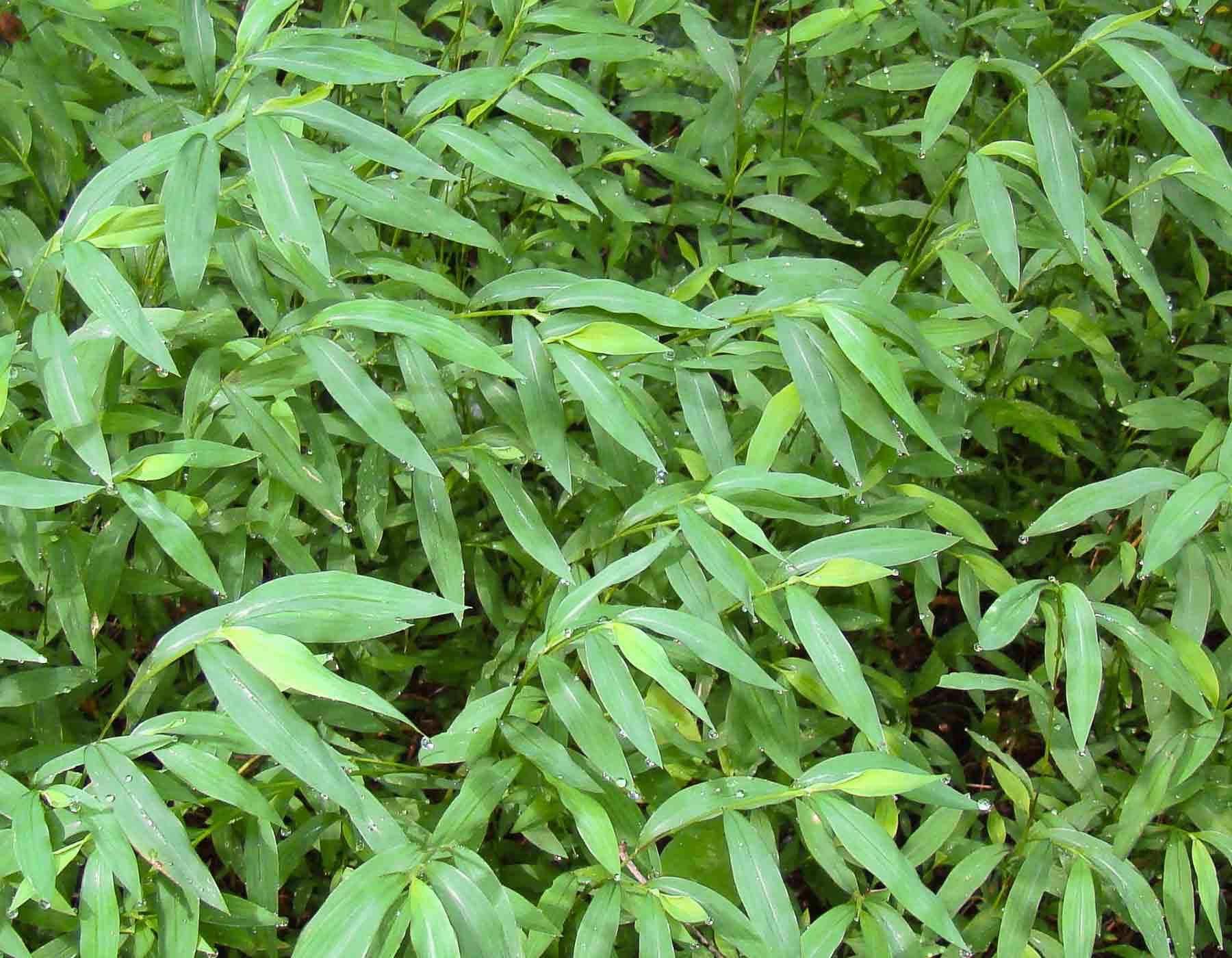
Photo Credits: Rebekah D. Wallace
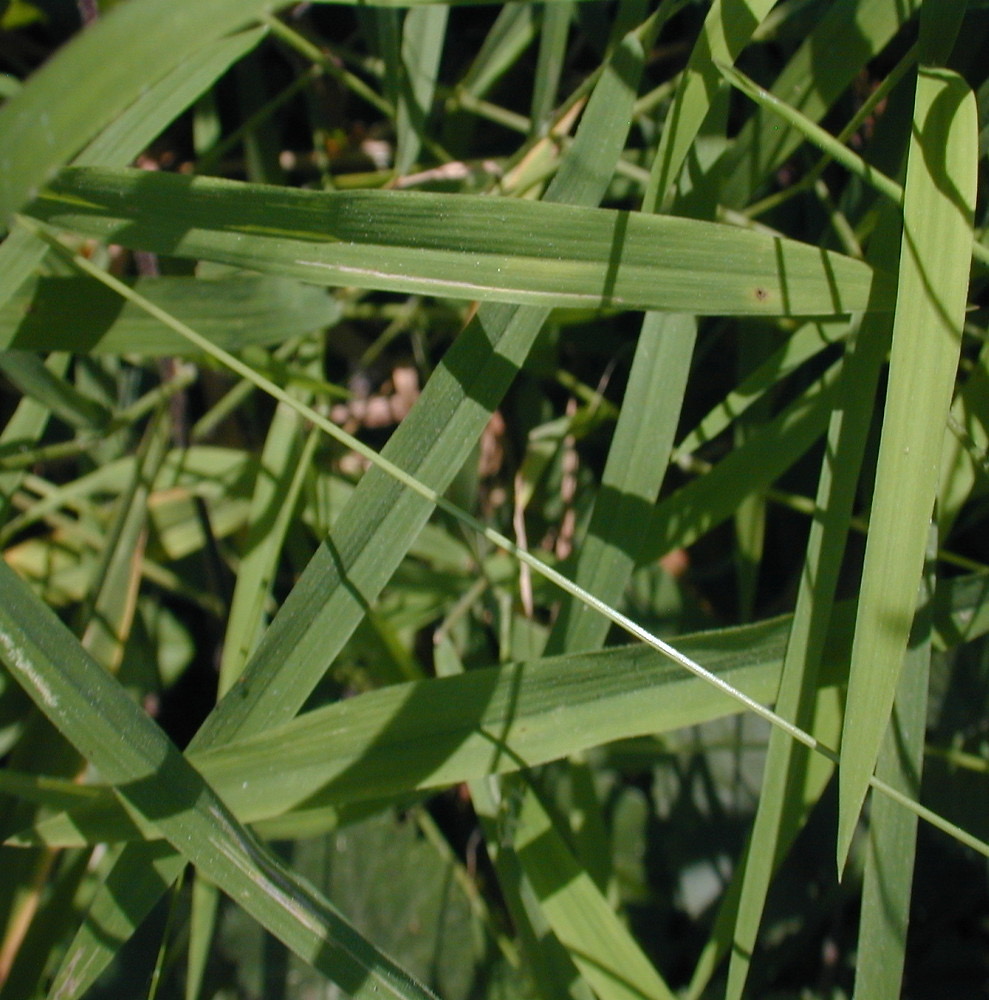
Photo Credits: John Hilty


Comments
Post a Comment