Native Grasses Of Ontario: Restoring Nature’s Fabric
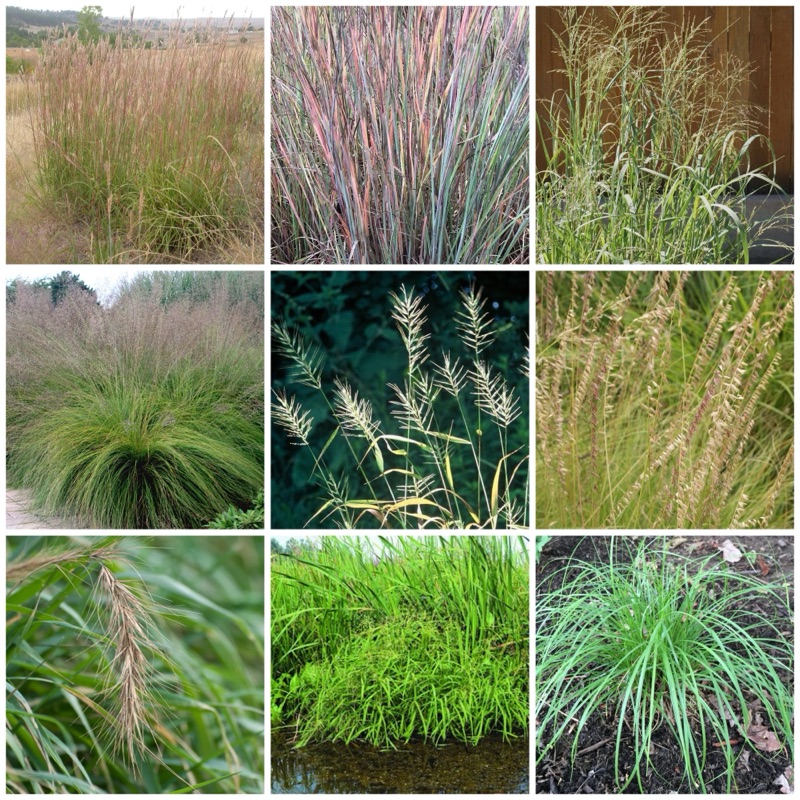
Hidden beneath our feet and often overlooked, Ontario’s native grasses are the quiet custodians of the land shaping ecosystems, supporting wildlife, and anchoring centuries of natural history. These resilient species, from the sun-loving Big Bluestem to the delicate Prairie Dropseed, hold secrets of sustainable landscapes and climate resilience that modern science is only beginning to rediscover. As habitat loss and invasive species challenge biodiversity, the story of these grasses becomes more vital than ever. Curious how these unassuming plants became ecological powerhouses? Let’s dig in!
Ontario’s native grasses aren’t just plants they’re storytellers. For thousands of years, they’ve thrived through fire, flood, and frost, coexisting with Indigenous communities and shaping the province’s landscapes long before European settlement. Tallgrass prairies once swept across southern Ontario, supporting bison and elk, and sheltering pollinators critical to ecological balance. While much of this grassland has since disappeared, pockets still remain, offering a glimpse into the province’s original biodiversity.
🌬️ Why They Matter Today: Modern conservation efforts are rediscovering the profound benefits of these grasses. Deep-rooted species like Switchgrass and Indian Grass improve soil health, store carbon, and prevent erosion which makes them vital allies in the fight against climate change. Their presence attracts and sustains native insects, birds, and mammals, weaving a rich web of life that exotic ornamental grasses simply cannot replicate. Reviving these species isn’t just about nostalgia; it’s a strategic step toward sustainable land management.
🔥 Facing Challenges with Resilience : Despite their resilience, Ontario’s native grasses face mounting threats. Urban development, agriculture, and invasive species have drastically reduced their range. Yet, grassroots organizations, Indigenous land stewards, and ecological restoration projects are working to turn the tide. By reseeding native species, controlling invasives, and educating the public, these advocates are reimagining a landscape where nature and people coexist in harmony.
Big Bluestem (Andropogon geradii)
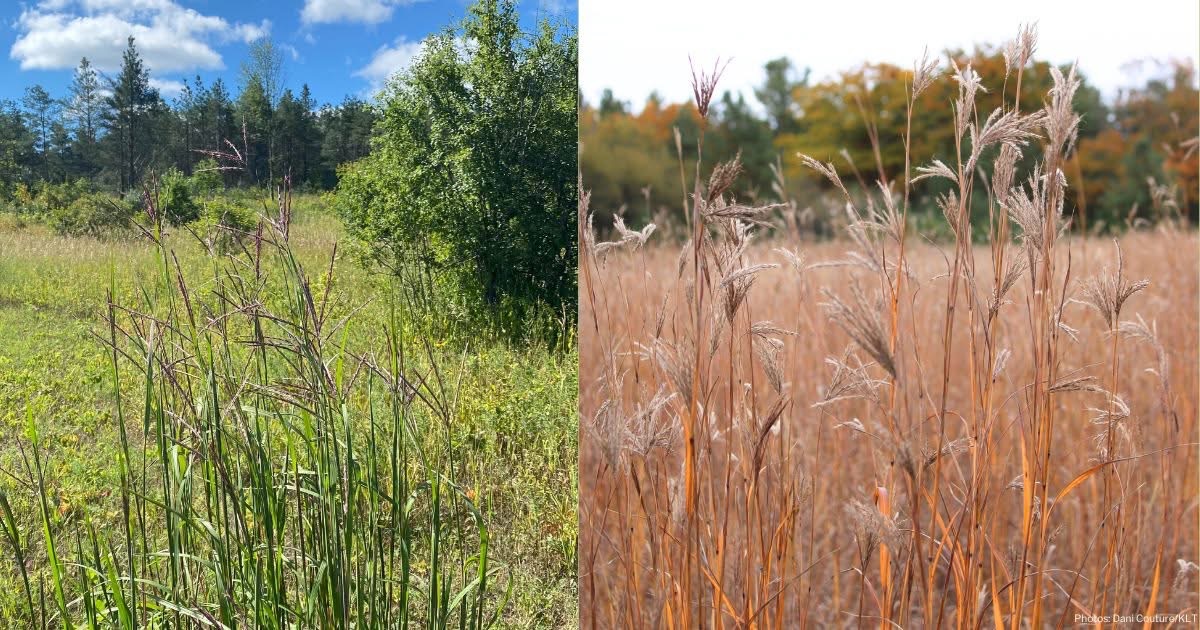 The first photo shows what Big Bluestem looks like during the spring and summer, and the second photo shows what Big Bluestem looks like during the fall season. Photo Credits: Karwartha Land Trust’s Ballyduff Trails
Common Name: Big Bluestem
Scientific Name:Andropogon gerardii
Other Names: Tall Bluestem, Bluejoint, or Turkey - foot
Genus: Andropogon
Plant Type: A Perennial Warm - Season Ornamental Bunch Grass
Plant Family: Poaceae
Subfamily:Panicoideae
Native Range: Southern Canada, East Central Canada, Eastern United States, and Mexico.
Flower: The flower cluster resembles a turkey’s foot, and the spikes are often purplish but can turn to a yellowish colour. Each spike is 2 to 4 inches long. The spikes are arranged alternately along the upper portion of the tall stems, which forms a raceme.
Foliage: The leaves are typically flat and up to 1/2 inch wide and 18 inches long. They become shorter as the leaves ascend the stem. The upper surface is rough, sometimes with long white hairs near the base. The sheath is open which creates a v shape at the front. The colour variation of the leaves vary depending on what season it is. In the spring the leaves are a blue green or grey green colour, during the summer they are green with reddish tinges or highlights, and lastly in the fall they are reddish bronze with lavender tones or a rich copper orange or copper red.
Height:Typically reaches a height of 4 to 8 feet (48 to 96 inches) tall.
Width: Typically reaches a width of 1 to 3 feet (12 to 36 inches) wide.
Bloom Time:Typically blooms from late summer and continue through fall and winter. This usually occurs from August or early September into February.
Most Distinctive Feature: Is it’s inflorescence that resembles a turkey’s foot.
Moisture Requirements:dry to medium moisture but the location needs to have good drainage.
Soil Type:loamy, sandy, clay, or poor/low fertility soils that have a ph of neutral to slightly alkaline and are well drained.
Light Exposure: Full Sun ☀️
Hardiness Zones: The hardiness zones vary depending on where in Ontario you are, and where you are wanting to plant this grass species. In Northern Ontario the hardiness zones are zones 2 to 3. For Southern Ontario the hardiness zones are zones 5 to 6. In Central Ontario the hardiness zones are 4 and 5.
Season Interest: Spring 🌸, Summer 💐, Fall 🍂, and Winter ❄️.
Host Plant: Yes, Big Bluestem is a host plant for various butterfly species. It is a host plant for the Common Wood Nymph, Arogos Skipper, Byssus Skipper, Cobweb Skipper, Delaware Skipper, and Dusted Skipper.
Wildlife Benefits: It’s summer blooms attracts bees, butterflies, and other pollinators.
Provides nesting cover for ground nesting birds such as the bobwhite quail, grasshopper sparrows, and sedge wren.
The dense clumps offer protection and escape cover for small birds and mammals all year round including chickadees, juncos, sparrows, finches, squirrels, and chipmunks.
The stalks persist into winter it offers habitat and shelter even under snow for small mammals, local bee species, local insect insects, amphibians, and other small wildlife.
It acts as a host plant for several butterfly species including Common Wood Nymph, Arogos Skipper, Byssus Skipper, Cobweb Skipper, Delaware Skipper, and Dusted Skipper.
The caterpillars of these butterfly species, and grasshoppers feed on its foliage which contributes to the food web and food chain.
The Big Bluestem (Andropogon gerardii) is a striking warm season perennial native grass, and it is a cornerstone species of the tall grass prairie ecosystem.
2 to 6 slender, finger-like spikes clustered at the top of the stem and at the tips of any branches in the upper plant. Spikes are 2 to 4 inches long and mostly ascending, usually purplish, sometimes yellowish.
Spikelets (flower clusters) are in pairs all along the spike; 1 stalkless, awned spikelet containing a single fertile, perfect flower (both male and female parts) and usually 1 stalked spikelet containing a single male flower, or sometimes 1 sterile spikelet with no flower, just the stalk. The glumes (pair of bracts at the base of a spikelet) are about 3/8 inch long and equal in length, narrowly lance-elliptic with a sharply pointed tip. The lemma (bract at the base of a flower) of the fertile flower has a ½ to ¾-inch long awn that is twisted and bent near its base. Spikelet stalks are usually densely covered in fine hairs that are initially appressed but spread out as the spikelets mature.
Leaves are mostly crowded on the lower stem with few in the upper plant. Leaves are mostly flat, green to blue-green, up to 18 inches long and to ½ inch wide, becoming shorter as they ascend the stem. The upper surface is rough textured, often with long, white, spreading hairs near the base.
The sheath is open, forming a distinct “V” at the front. The ligule (membrane where the leaf joins the sheath) is white to brownish and up to 2.5 mm long. Nodes are hairless and purplish. The culm (stem) is erect, hairless, few branched and often bluish to purple with a waxy bloom. Plants can create large clumps from short rhizomes.
The spikelets spread out some as they mature, the hairs on the stalks spreading as well, the entire spikelet eventually dropping off. The seed that develops in the fertile spikelet is golden brown, narrowly elliptical, and nearly as long as the spikelet.
Little Bluestem (Schizachyrium scoparium)
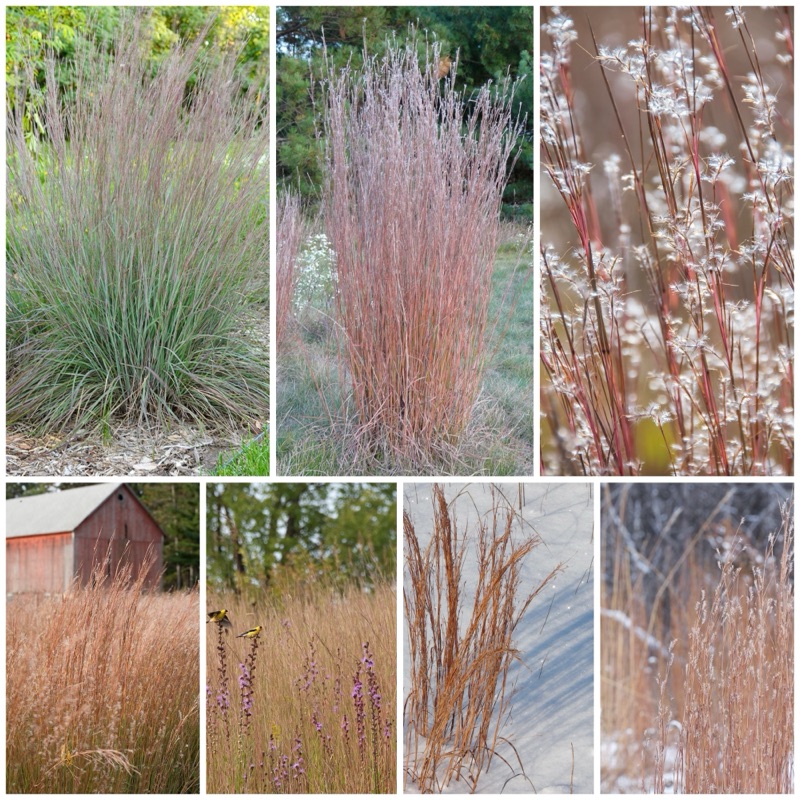 The changes in physical appearance that Little Bluestem goes through during different seasons throughout the year. Photo Credits: Prairie Nursery
Common Name:Little Bluestem
Scientific Name:Schizachyrium scoparium
Other Names: Broom Bluestem, Broom Beardgrass, Creeping Bluestem, Bunchgrass, or Beard Grass.
Genus: Schizachyrium
Plant Type: A Perennial Warm Season Bunchgrass
Plant Family: Poaceae
Subfamily:Panicoideae
Native Range: Continental United States, East Central Canada, Western Canada, Central Canada, and Southern Canada.
Flower: Small spike like clusters at the tips of the stems. These flower clusters are typically purplish in colour
Foliage: The leaves are slender and flat growing in upright clumps. They are typically about 1/4 inch wide and 10 - 14 inches long. The colouration of the leaves vary depending on what season it is. During the spring and summer the leaves are a blue green colour, sometimes with a hint of a purple tinge. In the fall the colours of the leaves can be red, orange, or even copper.
Height:Typically reaches a height of 2 to 4 feet (24 to 48 inches) tall.
Width: Typically reaches a width of 1.5 to 2 feet (12.5 to 24 inches) wide.
Bloom Time:Typically blooms in late summer to early fall, which the bloom time occurs from August to October in Ontario.
Most Distinctive Feature: It’s striking seasonal colour transformation and unique seed dispersal structure.
Moisture Requirements:dry to medium moisture but the location needs to have good drainage.
Soil Type:sandy, loamy, or rocky soils that are a little bit acidic, neutral, or alkaline that is well drained.
Light Exposure: Full Sun ☀️
Hardiness Zones: Zones 3 through 7
Season Interest: Spring 🌸, Summer 💐, Fall 🍂, and Winter ❄️.
Host Plant: Yes, Little Bluestem is a host plant to several butterfly species. It is a host plant for the Cobweb Skipper, Common Wood Nymph, Crossline Skipper, Dakota Skipper, Dusted Skipper, Indian Skipper, Leonard’s Skipper, Ottoe Skipper, and Swarthy Skipper.
Wildlife Benefits: Its upright dense growth offers year round cover for wildlife even during the winter months.
Provides microhabitats for overwintering insects and beneficial arthropods.
The Little Bluestem acts as a host plant for several butterfly species including the Cobweb Skipper, Common Wood Nymph, Crossline Skipper, Dakota Skipper, Dusted Skipper, Indian Skipper, Leonard’s Skipper, Ottoe Skipper, and Swarthy Skipper.
The caterpillars of these butterfly species and grasshoppers feed on the foliage of this grass which attracts insectivorous birds, and enriches the food web.
The caterpillars of the Dusty Skipper overwinters in protective tube tents that are nestled in the grass clumps.
The clump forming habitat provides excellent nesting and roosting cover, especially for ground nesting birds such as meadowlarks.
The seeds that this grass produces in the fall and through the winter is a valuable food source for songbirds such as sparrows, juncos, and finches.
Small mammals like squirrels, chipmunks, and other small critters will feed on the seeds as well as using the dense tufts for shelter.
The Little Bluestem (Schizachyrium scoparium) is a native warm season perennial grass that is celebrated for its ornamental beauty, ecological value, and adaptability.
A single spike-like cluster at the tip of each branch and at the top of the stem. Spikes are 1 to 3 inches long, ascending to erect, typically purplish.
Spikelets (flower clusters) are in pairs all along the spike; 1 stalkless spikelet containing a single fertile, perfect flower (both male and female parts) and usually 1 stalked sterile spikelet that is smaller than the fertile spikelet, occasionally containing a single male flower. The glumes (pair of bracts at the base of a spikelet) of the fertile spikelet are ¼ to 3/8 inch long and equal in length, narrowly lance-elliptic with a sharply pointed tip. The lemma (bract at the base of a flower) of the fertile flower has an awn about 5/8 inch long that is slightly twisted and bent near its base. The sterile spikelet has a much shorter awn. Spikelet stalks are usually densely covered in fine hairs that are initially appressed but spread out as the spikelets mature.
Leaves are crowded on the lower part of the stem with few on the upper plant. Leaves are flat or folded lengthwise, green to blue-green, up to 10 inches long and about ¼ inch wide, sometimes finely hairy but usually hairless except for sparse, long spreading hairs near the base. The sheath is open, forming a long “V” at the front, and usually hairless. The ligule (membrane where the leaf joins the sheath) is white to brownish and up to 2 mm long. Nodes are hairless and purplish. The culm (stem) is erect and hairless with many short branches and is often bluish to purple. Plants grow in large, tight clumps and sometimes spread through short rhizomes. Stems take on a tan or reddish color in fall and persist through winter.
The spikelets spread out as they mature, the hairs on the stalks spreading as well, the spike taking on a feathery look and often arching. The entire spikelet eventually falls off. The seed that develops in the fertile spikelet is purplish brown, narrowly spindle shaped with a long taper to a pointed tip, and about as long as the spikelet.
Switchgrass (Panicum virgatum)
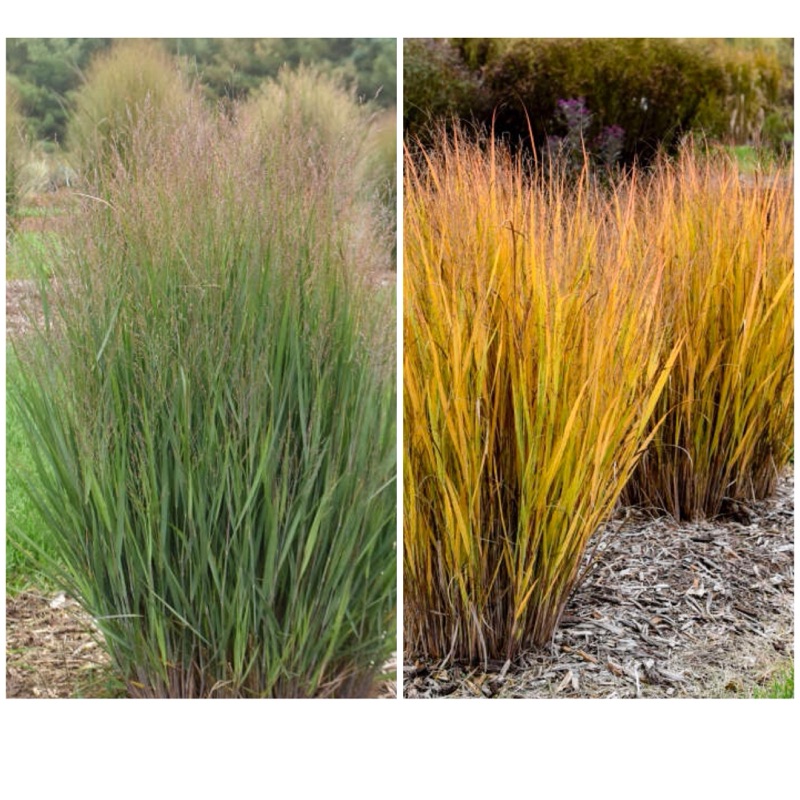 The first photo shows what Switchgrass looks like during the spring and summer, and then the second photo shows what Switchgrass looks like during the fall season. Photo Credits: Walters Gardens
Common Name:Switchgrass
Scientific Name:Panicum virgatum
Other Names: Tall Panic Grass, Tall Prairie Grass, Wild Redtop, or Thatch Grass.
Genus: Panicum
Plant Type: A warm season, perennial bunch forming grass
Plant Family: Poaceae
Subfamily:Panicoideae
Native Range: Southern Canada, The United States, and Mexico.
Flower: Airy, reddish pink flower panicles that rise above the foliage and create a cloud like effect at the top of stem. The individual flower clusters are 2.2 to 5.6 mm long and up to 1.5 mm wide. The colouration of the flowers vary depending on the season. During the spring and summer the flowers are green or purple. In the fall the flowers change to a tan or beige colour.
Foliage: The leaves are strappy and blade like in appearance, and they appear up and down the stems of the grass. The colouration of the leaves vary depending on the season. During the summer the leaves are bright green in colour and sometimes have a bluish tint to them. In the fall the leaves turn to yellow, gold, or orange. Then during the winter the leaves fade to a tan or brown colour.
Height:Typically reaches a height of 3 to 6 feet (36 to 72 inches) tall.
Width: Typically reaches a width of 2 to 3 feet (24 to 36 inches) wide.
Bloom Time:Mid to late Summer into the Fall, but sometimes the bloom period can last till the early winter.
Most Distinctive Feature: It’s cloud like flower panicles
Moisture Requirements:consistent moisture
*It does not like to be waterlogged and being really wet all the time causes root rot, which is a disease that this grass does not like to deal with. *
Soil Type: sandy or clay soils that are slightly acidic to neutral that is well drained.
Light Exposure: Full Sun ☀️
Hardiness Zones: Zones 4 to 6
Season Interest: Spring 🌸, Summer 💐, Fall 🍂, and Winter ❄️.
Host Plant: Yes, Switchgrass is a host plant to two local skipper butterflies. It is a host plant for the Delaware Skipper and Hobomok Skipper.
Wildlife Benefits: The flower panicles attracts bees, butterflies, and other pollinators.
It acts as a host plant for the Delaware Skipper and Hobomok Skipper, and other various skipper butterflies.
The height and bunching growth create cover for deer, rabbits, foxes, coyotes, turkeys, opossums, raccoons, and groundhogs.
Its dense clumps and tall stems offer nesting sites and shelter for birds such as quail, pheasants, and songbirds.
The seed heads provide fall and winter food for bird species such as sparrows, finches, and doves.
The Switchgrass (Panicum virgatum) is striking and ecologically value native grass that is a warm season bunch forming type of grass.
Airy pyramidal cluster at the top of the stem, with many slender, spreading to ascending branches, most with a few side branches. The cluster is 8 to 16 inches long and 1/3 to half as wide. Branches are mostly whorled or nearly so.
Along branches and side branches are one or more hairless, awnless spikelets (flower clusters), each 2.2 to 5.6 mm long, up to 1.5 mm wide, and with a single fertile flower. The glumes (bracts at the base of the spikelet) are unequal in length, the first half to 2/3 as long as the spikelet, the second as long as the spikelet and conspicuously veined. The lemma (2 bracts surrounding the flower) are as long as or slightly shorter than the spikelet, the sterile lemma conspicuously veined, the fertile lemma slightly shorter and without veins. The glumes and lemma are all narrowly egg-shaped, tapering to a sharply pointed tip, and spread apart as the flower develops, with the stamens and styles visible at the opening. Spikelets are green to purple, on wiry stalks.
Leaves are all alternate, ascending to floppy, 7 to 20 inches long and ¼ to ½ inch wide, flat, and hairless except near the base, which is often variously covered in long, silky hairs. Leaf edges are rough.
The sheath is open with a distinct “V” at the front. The ligule (membrane where the leaf joins the sheath) is white with a dense tuft of silky hairs up to 4 mm long. Nodes are hairless and usually dark purplish brown. The culm (stem) is erect, stout and hairless. Plants often create dense tufts from scaly rhizomes.
The spikelets turn tan as they mature. Seed is narrowly oval-elliptic, 2 to 3 mm long and about half as wide.
Prairie Dropseed (Sporobolus heterolepis)
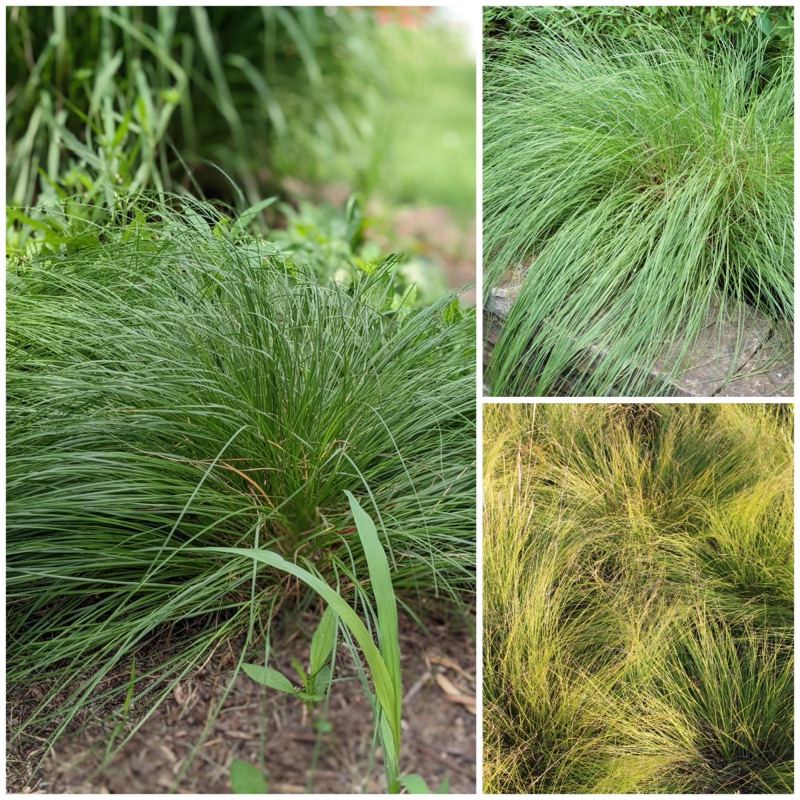 The first two photos shows what Prairie Dropseed Grass looks like during the spring and summer, and the final photo (third photo) is of what this grass looks like at the end of summer during the fall season. Photo Credits: TEND Native Plants
Common Name:Prairie Dropseed
Scientific Name:Sporobolus heterolepis
Other Names: N/A
Genus: Sporobolus
Plant Type: A Perennial Warm Season Ornamental Grass
Plant Family: Poaceae
Subfamily:Chloridoideae
Native Range: Southern Canada, Central United States, Eastern United States, and Southern United States.
Flower: Small and borne on airy open panicles that rise above the foliage. The individual panicles are 3 to 8 inches long, and are narrowly pyramidal in shape. The colour of the flowers can be purplish brown or tan.
Foliage: Fine hair like arching leaves that form a graceful mound like clump. The leaves are narrow and almost threadlike and grow about 18 inches tall. The colouration of the leaves vary depending on the season. During the spring and summer the leaves are a rich green colour. In the fall the leaves turn to golden hues with orange tones. During the winter the leaves fade to a light bronze colour.
Height:Typically reaches a height of 2 to 3 feet (24 to 36 inches) tall.
Width: Typically reaches a width of 2 to 3 feet (24 to 36 inches) wide.
Bloom Time:August to October
Most Distinctive Feature: It’s fine textured arching foliage and fragrant airy flower panicles.
Moisture Requirements:dry to medium moisture and the location needs to have good drainage.
Soil Type:rocky, sandy, or clay soils that are acidic or alkaline and has proper drainage and is well drained.
Light Exposure: Full Sun ☀️
Hardiness Zones: Zones 3 through 7
Season Interest: Spring 🌸, Summer 💐, Fall 🍂, and Winter ❄️.
Host Plant: Yes, the Prairie Dropseed is a host plant for various local insects. It is a host plant for the endangered Dakota Skipper and Poweshiek Skipperling. This grass species is also a host plant for the Red - tailed Leafhoppers and their larvae, as well as some grasshoppers.
Wildlife Benefits:
The dense clumps offer cover for small mammals, amphibians, and beneficial insects protecting them from predators and harsh weather.
Native bee species uses the root mass of this grass species for nesting, while birds weave its blades into nests.
Acts as a host plant for the endangered butterfly species such as the Dakota Skipper and Poweshiek Skipperling, where this grass species supports their life cycle from a tiny egg to a butterfly.
Grasshoppers, Leafhoppers, and Caterpillars feed on the foliage of this grass species, where they become an essential food source for animals and other insects that are apart of the food chain or food web.
The seeds that this grass species produces are a favourited snack for birds such as sparrows, juncos, mourning doves, and even wild turkeys.
The Prairie Dropseed (Sporobolus heterolepis) is a warm season clump forming perennial grass that is a native grass species. It is revered for its ornamental charm and ecological value, its staple in prairie restoration and native gardens.
An open spreading panicle at the tip of the stem, elliptic to pyramidal in outline, 2 to 8 inches long, ¾ to 2½ inches wide. Branches are compound, both primary branches and secondary branchlets erect to ascending, with spikelets (flower clusters) loosely arranged on the branch, giving the panicle an airy appearance. Spikelets are lance-elliptic in outline, nearly round in cross-section, 4 to 6 mm (to ¼ inch) long, light green to purplish, with a single floret, and very slender when immature though much expanded at maturity.
At the base of a spikelet is a pair of bracts (glumes), both thin, hairless, awnless, 1-veined with a long taper to a sharply pointed tip and minute teeth towards the tip end, the lower glume lance-linear, 2 to 3.5 mm long and half to ¾ as long as the spikelet, the upper glume 4 to 6 mm long, about as long as the spikelet or nearly so. Florets are surrounded by a pair of bracts (lemma and palea), both thin and egg-shaped with a pointed tip, the lemma 1-veined and 3 to 4.8 mm long, the palea 2-veined and as long as to slightly longer than the lemma, though may appear shorter when fully mature.
Leaves are basal and alternate on the lower stem, 1 to 2 mm wide, 12 to 24 inches long, hairless but slightly rough on the underside and along the edges, flat or folded or rolled in along the edges (involute) giving a wiry appearance. The sheath is hairless except occasionally for a few sparse hairs at the tip. The ligule (membrane where the leaf joins the sheath) is a fringe of short hairs. Nodes are smooth.
Stems are slender, hairless, erect to ascending, and multiple from the base. Vegetative shoots are numerous, forming dense mounds of flowering and non-flowering stems, the arching leaves radiating from the center of the clump.
Spikelets turn straw-coloured to brown or gray at maturity, the enlarged grain (seed) pushing the spikelet apart, often splitting the palea down the middle. Mature florets drop off individually leaving the glumes behind on the stalk. Grains are shiny yellowish brown, nearly round in outline, 1.5 to 2 mm long, not much flattened.
Bottlebrush Grass (Elymus hystrix)
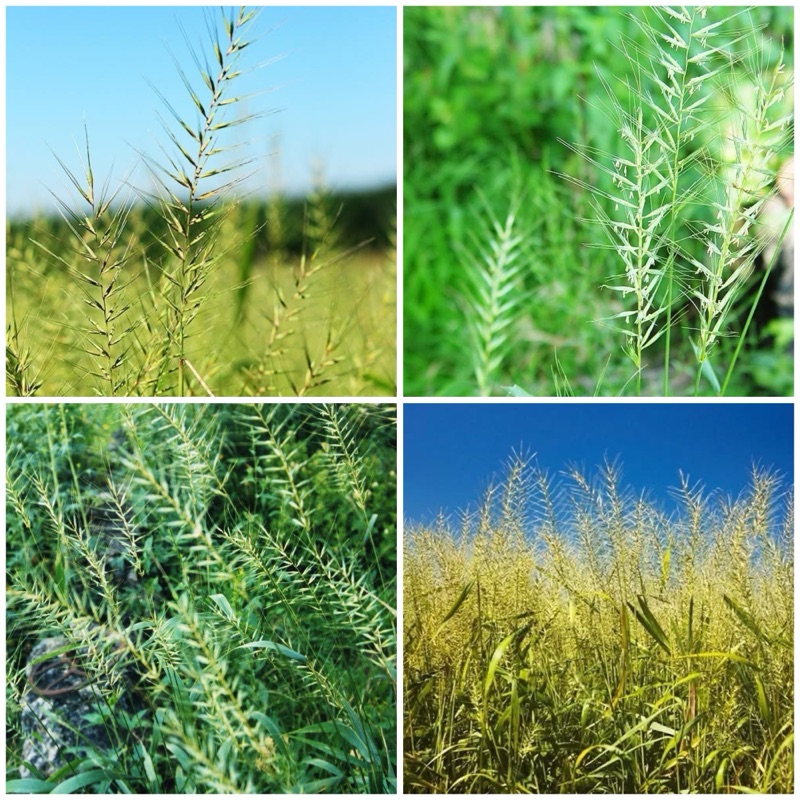 Photo Credits: Hamilton Native Outpost on Facebook
Common Name:Bottlebrush Grass
Scientific Name:Elymus hystrix
Other Names: Eastern Bottlebrush Grass
Genus: Elymus
Plant Type: A Cool Season Clump Forming Perennial Bunchgrass
Plant Family: Poaceae
Subfamily:Pooideae
Native Range: Eastern United States and Eastern Canada
Flower: The flower structure is a single loose spike up to 8 inches long that is sometimes erect and nodding. The colouration of the flower structure is pale yellow and white.
Foliage: Narrow and rough textured leaves that are grey green to dark green in colour, and are typically 12 inches long which is 1 feet long.
Height: Typically reaches a height of 2.5 to 5 feet (24.5 to 60 inches) tall.
Width: Typically reaches a width of 1 to 2 feet (12 to 24 inches) wide.
Bloom Time:June to August
Most Distinctive Feature: Is its unique seed head that that resembles a bottle brush.
Moisture Requirements:Prefers consistent moist soil but has to have proper drainage.
Soil Type:sandy, loam, clay loam, or even heavy clay that has a ph of slightly acidic or neutral and is well drained meaning the soil has good drainage.
Light Exposure: Part Sun ⛅️ to Shade ☁️
Hardiness Zones: Zones 2b to 7a
Season Interest: Spring 🌸, Summer 💐, Fall 🍂, and Winter ❄️.
Host Plant: Yes, Bottlebrush Grass is a host plant for a local butterfly species and a local moth species. It is a host plant for the Northern Pearly Eye Butterfly and the Golden Borer Moth.
Wildlife Benefits:
It acts as a host plant for the Northern Pearly Eye Butterfly, and the Golden Borer Moth. The females of this butterfly species and moth species will lay their eggs on the foliage of this grass, and once the eggs hatch into baby caterpillars the caterpillars will begin to feed on the foliage as a food source.
The early season foliage of this grass is palatable to deer and rabbits, though the bristly seed heads later deter browsing.
The foliage provides nesting material and cover for ground feeding birds, insects, and small reptiles.
The seeds that this grass produces provide an excellent food source for songbirds and small mammals such as mice.
The Bottlebrush Grass (Elymus hystrix) is a tall perennial grass that is a type of cool season grass in the rye family.
The leaves are narrow, flat, and can be twisted where they join the stem, sometimes with the underside facing up. The tips of the leaves may droop.
A single, loose spike at the tip of the stem, up to 8 inches long, usually erect, sometimes nodding. Spikelets (flower clusters) are usually in pairs, occasionally in 3s, alternately arranged along the central stalk, widely spreading to nearly perpendicular to the stalk. Spikelets are 1 to 2 inches long from tip to tip, each spikelet with 2 to 4 florets; the upper floret(s) may be sterile. Fertile florets have pale yellow stamens and a white, feathery style.
At the base of a spikelet is a pair of bracts (glumes), though one or both may be absent. Glumes are mostly reduced and bristle-like, up to 15mm (½ inch) long. At the base of a floret is a pair of bracts (lemma and palea). A fertile lemma is 8 to 11 mm long, smooth, rough textured or finely hairy on the surface, the tip extending into a straight awn up to 1½ inches long. Sterile lemmas are smaller than fertile lemmas, with short awns. Paleas are similar in size and shape as the lemmas but lack the awns and are mostly blunt at the tip.
Spikelets turn light brown with age, the mature florets falling off individually, leaving any glumes behind.
Sideoats Grama (Bouteloua curtipendula)
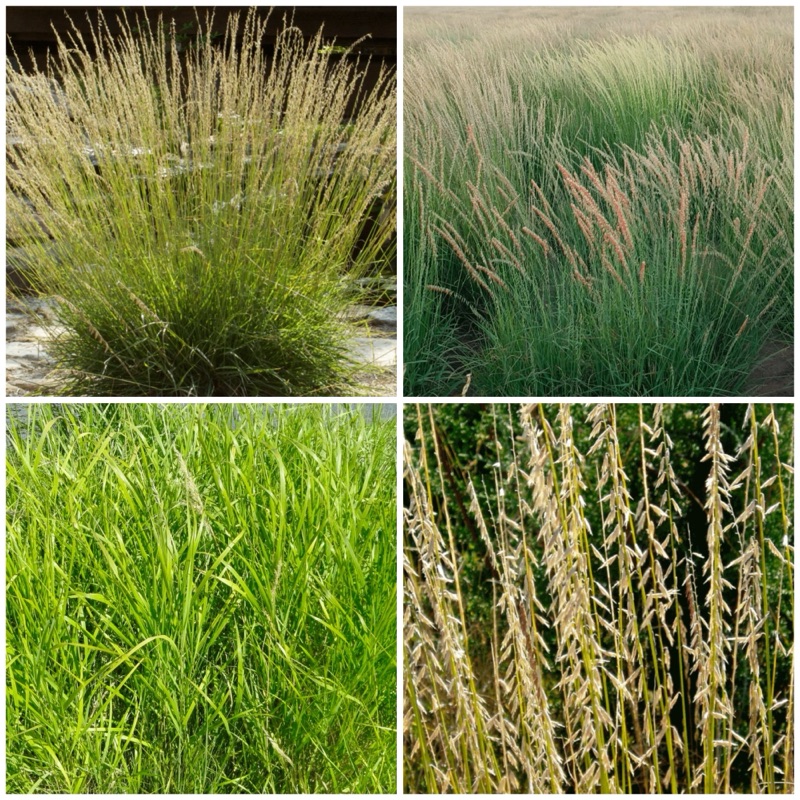
Photo Credits: Native Gardeners
Common Name:Side Oats Grama
Scientific Name:Bouteloua curtipendula
Other Names: Side - Oats Grass
Genus: Bouteloua
Plant Type: A Perennial Warm Season Bunchgrass
Plant Family: Poaceae
Subfamily: Pooideae
Native Range: Southern Canada, Midwestern United States, Southwestern United States, Southeastern United States, Mexico, Costa Rica, Honduras, Bolivia, and Argentina.
Flower: The flowers are characterized by pendulous one sided spikes of spikelets that resemble oats. They feature bright orange red antlers and white feathery stigmas.
Foliage: Flat leaf blades that are typically 4 - 12 long and 1/8 - 1/4 inches wide that have subtle fuzziness from the soft hairs on them. The colouration of the foliage varies depending on the season. During the growing season the leaves are a blue green colour then changing to a golden tan or copper orange in fall.
Height:Typically grows to a height of 1 to 2 feet (12 - 24 inches) tall. Sometimes it can grow up to 3 feet in height.
Width: Typically reaches a width of 1 to 1.5 feet (12 to 12.5 inches) wide. Sometimes it can grow to 2 feet (24 inches) wide.
Bloom Time:The bloom time typically happens from mid summer to late summer, which is usually from July through August.
Most Distinctive Feature: Is its unique seed spike arrangement which is a row of oat like spikelets that dangle from only one side of the flowering stem.
Moisture Requirements:Requires consistent moisture to develop strong roots, but once established it can tolerate dry to medium moisture conditions.
Soil Type:Adapts to sandy, loamy, rocky, or even clay soil that is slightly acidic to moderately alkaline that is well drained.
Light Exposure: Full Sun ☀️ to Partial Shade 🌥️
Hardiness Zones: Zones 3 through 9
Season Interest: Spring 🌸 through Winter ❄️
Host Plant: Yes, Sideoats Grama is a host plant for two local skipper butterfly species. It is a host plant for the Leonard’s Skipper and Ottoe’s Skipper.
Wildlife Benefits:
It acts as a host plant for the Leonard’s Skipper Butterfly and Ottoe’s Skipper Butterfly. The females of these skipper butterfly species lay their eggs on the foliage and as soon as the caterpillars hatch they begin to feed on the leaves as a food source.
The foliage of this grass species also provides a food source for grasshoppers and leafhoppers.
Deer and elk browse on its foliage during the active growth season which is usually in the spring through summer.
The foliage and clumps create and provide protective cover for small mammals and ground nesting birds.
Supports native insect populations such as leafhoppers, grasshoppers, and skipper butterfly larvae.
Offers high quality forage for herbivores such as deer, elk, and even livestock.
Produces nutritious seeds that attracts bird species such as wild turkeys, quail, and grouse. The seeds also attract some small mammals such as squirrels and chipmunks.
The Side Oats Grama (Bouteloua curtipendula) is a bunchy or sod forming grass that is a medium sized bunchgrass.
The leaves are bluish green, narrow, and up to 25 cm long. The leaf edges often have evenly spaced hairs near the base.
The stems are slender and upright with a zigzag rachis (flower stalk). They are usually hairless and light green turning to a tan colour in the fall season.
The inflorescence features spikelets hanging on one side of the stem. The flowers have reddish orange antlers that dangle in summer, giving it a striking appearance.
The seeds resemble tiny oats, which ripen from June to November depending on the rainfall.
The roots are deep and fibrous extending 2 - 4 feet which helps with drought tolerance and erosion control.
Canada Wild Rye (Elymus canadensis)
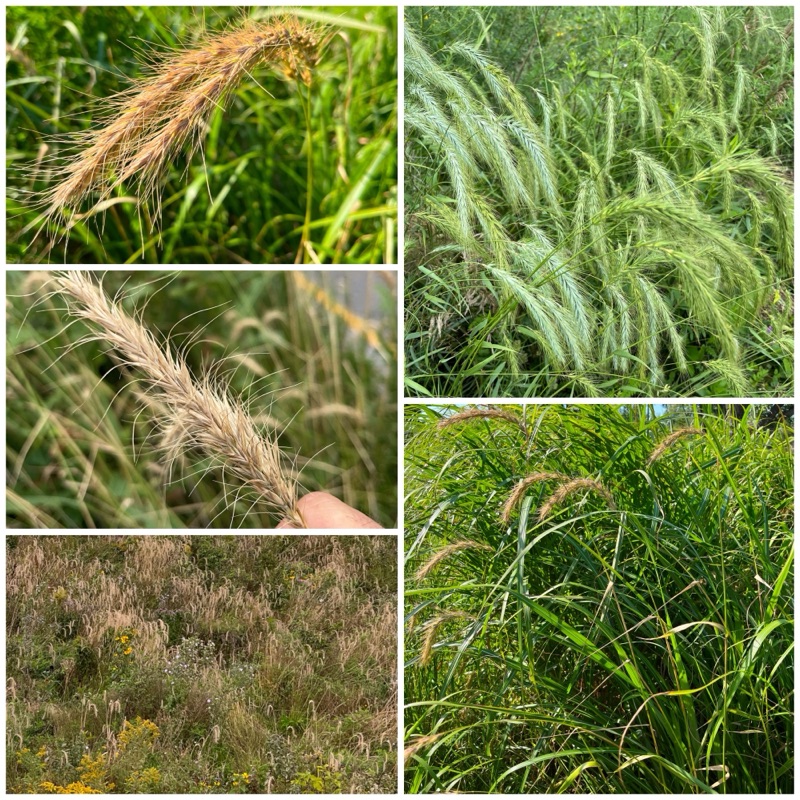 Photo Credits: akene.ca
Common Name:Canada Wild Rye
Scientific Name:Elymus canadensis
Other Names: Nodding Wildrye, Prairie Wildrye, Great Plains Wildrye, or Western Wildrye
Genus: Elymus
Plant Type: A Native Cool Season Bunch Grass
Plant Family: Poaceae
Subfamily:Pooideae
Native Range: Central United States, Northern United States, Western United States, Northeastern United States, as well as parts of Southern Canada including Ontario; Manitoba;Saskatchewan; and Alberta.
Flower: Is a nodding spike that is often arching or dropping that typically ranges from 8 to 25 cm (3 to 10 inches). They are typically greenish when fresh, but turn to a blond or sandy tan colour in the fall.
Foliage: Flat leaf blades measuring 8 - 15 inches long and 1/4 - 1/2 inch wide. Leaves are ascending then arching. The upper surface is green in colour and the lower surface is a powdery blue colour.
Height:Typically reaches a height of 2.5 to 5 feet (24.5 - 60 inches) tall.
Width: Typically reaches a width of 1 to 2 feet (12 - 24 inches) wide.
Bloom Time:Typically blooms from mid to late summer which is usually from July to September.
Most Distinctive Feature: Is its nodding and bristly seed head that resembles a rugged version of wheat or rye.
Moisture Requirements:consistent to average moisture
Soil Type:sandy, loamy, gravelly, or clay soils that are slightly acidic to slightly alkaline and rich in organic matter that is well drained.
Light Exposure: Full Sun ☀️ to Partial Shade ⛅️
Hardiness Zones: Zones 2 through 9
Season Interest: Spring 🌸, Summer 💐, Fall 🍂, and Winter ❄️.
Host Plant: Yes, Canada Wild Rye is a host plant for a local skipper butterfly species. It is a host plant for the Zabulon Skipper Buttertly.
Wildlife Benefits:
It acts as a host plant for several skipper butterfly species including the Zabulon Skipper.
Canada Wild Rye supports pollinators by offering shelter and nectar access in mixed plantings.
The dense clumps provide cover for ground nesting birds and small animals. Offers nesting material and safe hiding spots, especially in prairie and meadow ecosystems.
The Canada Wild Rye (Elymus canadensis) is a tufted bunch grass that is a cool season perennial.
The leaves are bluish green, flat or folded up to 12 inches long about 1/2 inch wide. Leaf blades are rough textured with a prominent midrib and finely toothed margins. The underside of the leaves often have a waxy coating giving a bluish tint.
The stems are smooth and upright sometimes with a geniculate base (bent then rising). Usually hairless with small auricles (ear like lobes) clasping the stem.
The seed heads are a nodding spike that is 3 to 10 inches long, with 2 - 3 spikelets per node. The spikelets contain 3 to 5 florets each with long, and arching awns that are up to 2 inches. The awns curve outward as they mature giving a bristly wheat like appearance.
Rice Cut-Grass (Leersia oryzoides)
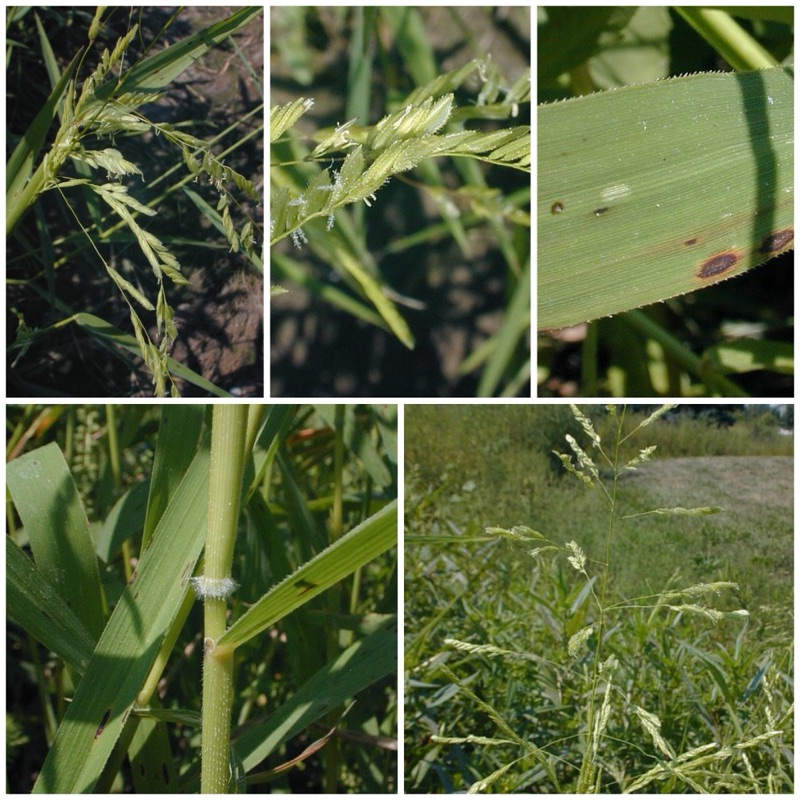 Photo Credits: illinoiswildflowers.info
Common Name:Rice Cut Grass
Scientific Name: Leersia oryzoides
Other Names: Cut Grass, White Rice Grass, or Water Rice Grass
Genus: Leersia
Plant Type: A Cool Season Wetland Cut Grass
Plant Family: Poaceae
Subfamily: Pooideae
Native Range: Southern Canada, most of The United States, other parts of North America, Europe, and Asia.
Flower: A loose branching panicle that’s often pyramidal in shape that is 10 - 20 cm long. The flowers are typically green in colour but can change to a yellowish green colour as they mature.
Foliage: The leaf blades are long and narrow typically 7 - 30 cm long and 6 - 15 mm wide that are yellow green in colour, and have a rough sandpapery texture.
Height:Typically grows up to 3 - 5 feet (36 to 60 inches) tall.
Width: Typically reaches a width of 24 - 36 inches (2 - 3 feet) wide.
Bloom Time:Typically blooms from late summer into fall which usually occurs from July to October.
Most Distinctive Feature: Is its razor edged foliage
Moisture Requirements:consistently moist to waterlogged conditions
Soil Type:loam, silty loam, clay loam, sandy, gravelly, or clay soils that is slightly acidic to alkaline.
Light Exposure: Full Sun ☀️ to Partial Shade ⛅️
Hardiness Zones: Zones 3 through 7
Season Interest: Spring 🌸, Summer 💐, Fall 🍂, and Winter ❄️.
Host Plant: Yes, Rice Cut-grass is a host plant for two local butterfly species and a local moth species. It is a host plant for the Least Skipper Butterfly, Peck’s Skipper Butterfly, and the Angelic Crocidophora Moth.
Wildlife Benefits:
Supports the Least Skipper, Peck’s Skipper, and the Angelic Crocidophora Moth during their larval stage where the foliage of this ornamental grass is a food source for the caterpillars.
This grass also supports Katydids and Bill - bugs where they munch on the foliage of the Rice Cutgrass.
The young shoots are palatable towards deer, geese, rabbits, and other graze eating mammals.
The dense colonies offer shelter and breeding grounds for fish, amphibians, and reptiles especially in marshes and slow moving waters.
Provides cover for nesting and protection for insects, and small animals from predators and inclement weather.
The seeds resemble rice grains and are a favourite of waterfowl, shorebirds, and small mammals.
Ducks not only eat the seeds but also pull up and consume the underground rhizomes especially in fall and winter.
The Rice Cut Grass (Leersia oryzoides) is a common wetland prickly leaved grass that is a species of cool season grass.
The leaves are flat linear blades up to 12 inches long and 1/2 inch wide. The edges and surfaces are lined with tiny, and stiff downward pointing barbs that are sharp enough to cut skin. They are yellow green to dull green in colour with a rough sandpapery texture.
The stems are erect or sprawling that are often rooting at the nodes. The nodes are densely hairy, and stems may be hairless or sparsely rough.
The flowering head is a dropping panicle that is 4 to 12 inches long with spikelets arranged on one side of each branchlet. The spikelets are elliptic, flattened, and resemble tiny grains of rice that are 4 - 5 mm long. It lacks glumes (outer bracts) which is unusual for grass.
Pennsylvania Sedge (Carex pennsylvanica)
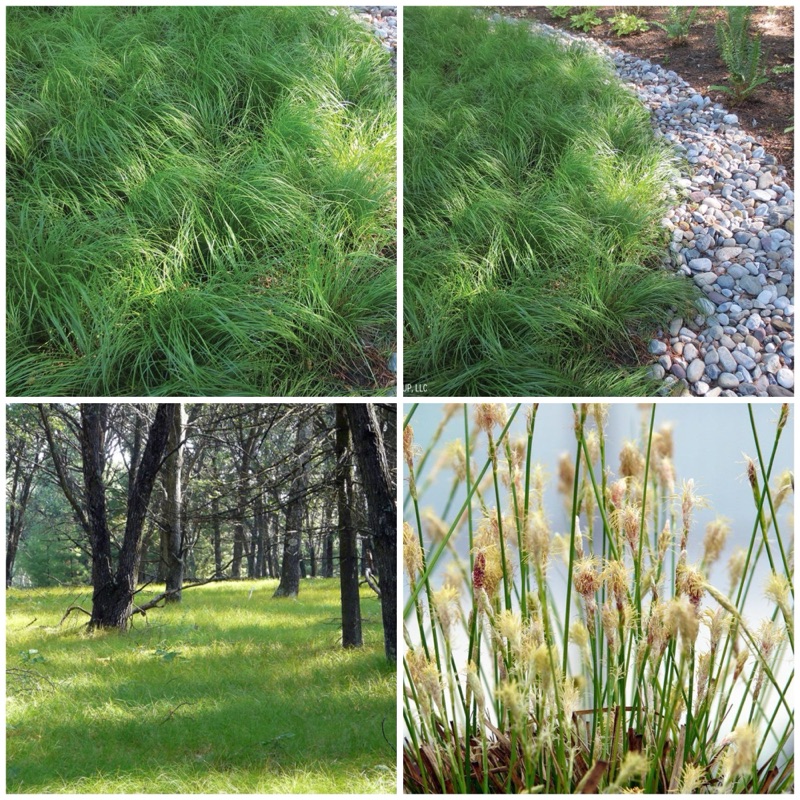
Photo Credits: The Honeybee Group LLC and Prairie Nursery
Common Name:Pennsylvania Sedge
Scientific Name:Carex pensylvanica
Other Names: Penn Sedge, Oak Sedge, Early Sedge, Yellow Sedge, Plantain leaf Sedge, Seersucker Sedge, or Rush Sedge.
Genus: Corex
Plant Type: A Herbaceous Perennial Sedge
Plant Family: Poaceae
Subfamily:Pooideae
Native Range: Southern Canada, Northeastern United States, Mid Atlantic United States, Midwestern United States, Southeastern United States, and Central United States.
Flower: They are flowering stems on the grass, where each flowering stem bears a single staminate (male) spike at the tip about 10 - 25 mm long, and below it are 1 to 3 pistillate (female) spikes each with 4 to 12 florets. The colouration of the flowers is typically brownish green.
Foliage: Narrow grass like blades that arch gently typically 6 - 12 inches long and less than 1/8 inch wide. They are fine textured and soft to the touch. The colour of the foliage varies depending on the season. During the spring and summer the foliage is bright green then changing to a sandy tan or beige in fall.
Height:Typically reaches a height of 6 - 12 inches (15 - 30 cm) tall.
Width: Typically reaches a width of 12 - 18 inches (30 - 45 cm) wide.
Bloom Time:Typically blooms in spring from April to May.
Most Distinctive Feature: Is its fine arching foliage that creates a soft grass like carpet.
Moisture Requirements:dry to medium moisture
Soil Type:loamy, sandy, silty, clay, or clay loam soils that are slightly acidic to neutral and is well drained where it has good drainage.
Light Exposure: Partial Shade 🌥️ to Full Shade ☁️
Hardiness Zones: Zones 3 through 7
Season Interest: Spring 🌸, Summer 💐, Fall 🍂, and Winter ❄️.
Host Plant: Yes, the Pennsylvania Sedge is a host plant for three local butterfly species. It is a host plant for the Dion Skipper, Dun Skipper, and Appalachian Brown.
Wildlife Benefits: Acts as a host plant for the butterfly species such as the Dion Skipper, Dun Skipper, and Appalachian Brown.
It also supports grasshoppers and leafhoppers because the foliage provides a food source for these common garden insects.
Offers shelter for small mammals and migratory waterfowl like the sandhill cranes.
The dense clumps and foliage provide both nesting material and cover for birds, insects, and small mammals especially in shaded woodland settings.
The seeds that this grass produces are eaten by songbirds like Dark - eyed Juncos, Sparrows, and game birds such as grouse and turkeys.
The Pennsylvania Sedge (Carex pensylvanica) is a low growing and clumped grass like perennial.
The leaves are fine textured, linear, and soft to the touch. Grows up to 6 to 12 inches long and often shorter than the flowering stems. Arranged in a rosette like form, giving it a meadow like appearance.
The stems are triangular in cross section which is a classical sedge trait. They are upright and slender emerging from reddish brown rhizomes.
The inflorescences are small spikes with cream, tan, or green tones that are sometimes tinged with burgundy. The male flowers appear above the female ones which are on the same spike.
Fruit develops in mid to late spring, the pistillate spikes forming clusters of seeds (achenes), each wrapped in a casing (perigynium), subtended by a scale. The scales of staminate spikes are oval-elliptic, purplish brown with white edging and a blunt or pointed tip. The empty staminate scales persist after fruit has dropped off. Pistillate spikes each contain 4 to 12 fruits.
Pistillate scales are 2 to 4 mm long, 1.3 to 2.8 mm wide, egg-shaped with a blunt or pointed tip, dark purplish brown with a band of white around the edge, and are as long as or slightly longer than the perigynia. The perigynia are 2.3 to 3.4 mm long, 1.1 to 1.5 mm wide, fuzzy hairy at least in the upper half, lack veins, are generally urn-shaped, the body spherical, tapering towards the base, and a short straight beak that has 2 small teeth at the tip, though they may be obscure when immature. The achenes are 1.3 to 2.3 mm long, .9 to 1.4 mm wide, somewhat oval but widest above the middle, weakly 3-sided to round in cross-section, and mature to dark brown.
Sand Dropseed (Sporobolus cryptandrus)
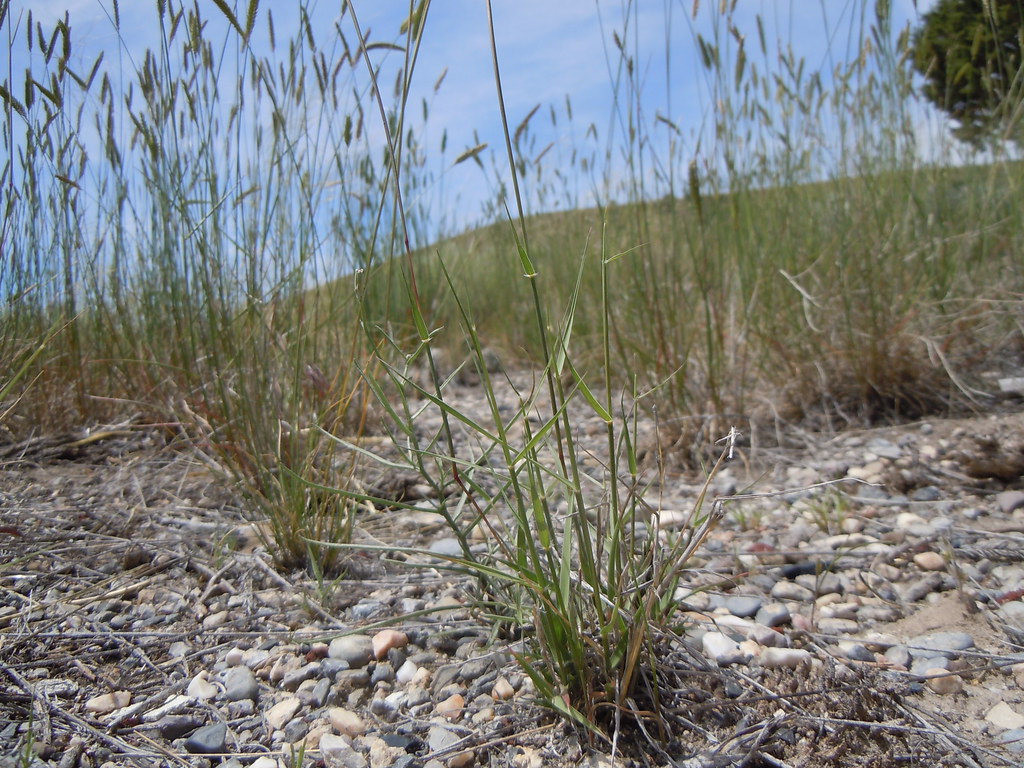 Photo Credits: Matt Lavin from Flickr
Common Name:Sand Dropseed
Scientific Name:Sporobolus cryptandrus
Other Names: Vanilla Grass, Manna Grass, Holy Grass, Mary’s Grass, or Peace Grass
Genus: Sporobolus
Plant Type: Perennial Bunchgrass
Plant Family: Poaceae
Subfamily:Chloridoideae
Native Range: Southern Canada, United States (except for the extreme south eastern part), and Northern Mexico.
Flower: It doesn’t have showy flowers like most flowering plants do, but it produces airy purplish panicles that are arranged in loose branching clusters.
Foliage: Fine textured, greyish green leaves that are flat to inrolled (rolled inward) and sometimes folded. The leaves typically 4-8 inches long and can be blue-green during the growing season, transitioning to a straw colour in the winter. The foliage forms loose airy tufts at the tips.
Height:Typically reaches a height of 2 to 3 feet (24 - 36 inches) tall.
Width: Typically reaches a width of 1 to 2 feet (12 - 24 inches) wide.
Bloom Time:Typically blooms from mid summer to late summer, which usually occurs from July through August.
Most Distinctive Feature: It’s airy pyramidal seed head and prolific seed production.
Moisture Requirements:dry to moist conditions but the area needs to be well drained.
Soil Type:sandy, gravelly, rocky, or loamy soils that have a ph of slightly acidic to slightly basic, and has proper drainage.
Light Exposure: Full Sun ☀️
It can tolerate partial sun but this can reduce physical strength and health of this grass.
Hardiness Zones: Zones 3 through 8
Season Interest: Summer 💐 and Fall 🍂
Host Plant: Yes Sand Dropseed is a host plant for two local butterfly species. It is a host plant for the Dakota Skipper and Poweshiek Skipperling which are both an endangered butterfly species in the province of Ontario as well as other parts of Canada.
Wildlife Benefits:
The dense tufts provide ground cover and shelter for both birds and small mammals.
The foliage of the grass may be used by birds for their nest construction.
The seeds that this grass produces provide an excellent food source for a variety of songbirds and small animals.
It acts as a host plant for two local butterfly species which are the Dakota Skipper and Poweshiek Skipperling which are both an endangered butterfly species in the province of Ontario as well as other parts of Canada.
The deep roots of this grass species stabilizes the soil which supports habitat integrity and erosion control.
The Sand Dropseed (Sporobolus cryptandrus) is a fine seeded perennial bunch grass which can produce over 10,000 seeds from a single plant. It is a member of The Grass Family.
Branching cluster up to 12 inches long at the top of the stem, in various degrees of contraction and expansion from within the uppermost leaf sheath. When fully contracted the panicle is narrowly cylindric, enclosed within the sheath, the expanded portions becoming narrowly pyramidal, 4 to 7 inches long, 1 to 2 inches wide. Branches are compound, the primary branches enclosed in the sheath are appressed, exserted branches ascending to spreading, and secondary branchlets remain more or less appressed to their branch. Typically there are much smaller panicles in the upper leaf axils, 1 to 3 inches long and fully enclosed by the sheath. Branchlets have several spikelets (flower clusters), each lance-elliptic in outline, not much flattened, 1.5 to 2.5 mm (less than 1/8 inch) long, light green to purplish. Spikelets are overlapping along a branchlet but not tightly crowded, and have a single floret.
At the base of a spikelet is a pair of bracts (glumes), both thin, hairless, awnless, lance to egg-shaped with a pointed tip, 1-veined with minute teeth towards the tip end, the lower glume .5 to 1.1 mm long and less than half as long as the spikelet, the upper glume 1.5 to 2.5 mm long, about as long as the spikelet or nearly so. Florets are surrounded by a pair of bracts (lemma and palea), both similar to the upper glume, the lemma 1-veined and as long as the spikelet, the palea 2-veined and as long as the lemma or nearly so.
Leaves are basal and alternate, 2 to 5 mm wide, widest at the base with long taper to thread-like tip, flat or rolled in along the edges (involute), sometimes folded, hairless and smooth except rough along the edges from minute teeth. Basal leaves are 6 to 10+ inches long, stem leaves generally 3 to 6 inches. The sheath is hairless on the surface but with a dense fringe of hairs along the edge and tufts of long, white hairs at the tip on both front and back. The ligule (membrane where the leaf joins the sheath) is a fringe of short hairs. The nodes of the leaves are smooth.
Stems are hairless, erect to ascending or sometimes prostrate from the base then rising toward the tip (decumbent), single or multiple from the base, forming loose to dense clumps.
Exposed spikelets turn straw-colored at maturity, enclosed spikelets often become dark grey to colourless and nearly transparent. Mature florets drop off individually leaving the glumes behind on the stalk, but they eventually drop off, too. Grains (seeds) are grey to brownish, irregularly oval to oblong, .75 to 1.2mm long, somewhat flattened with a large darkened germ on one side.
Kalm’s Brome (Bromus kalmii)
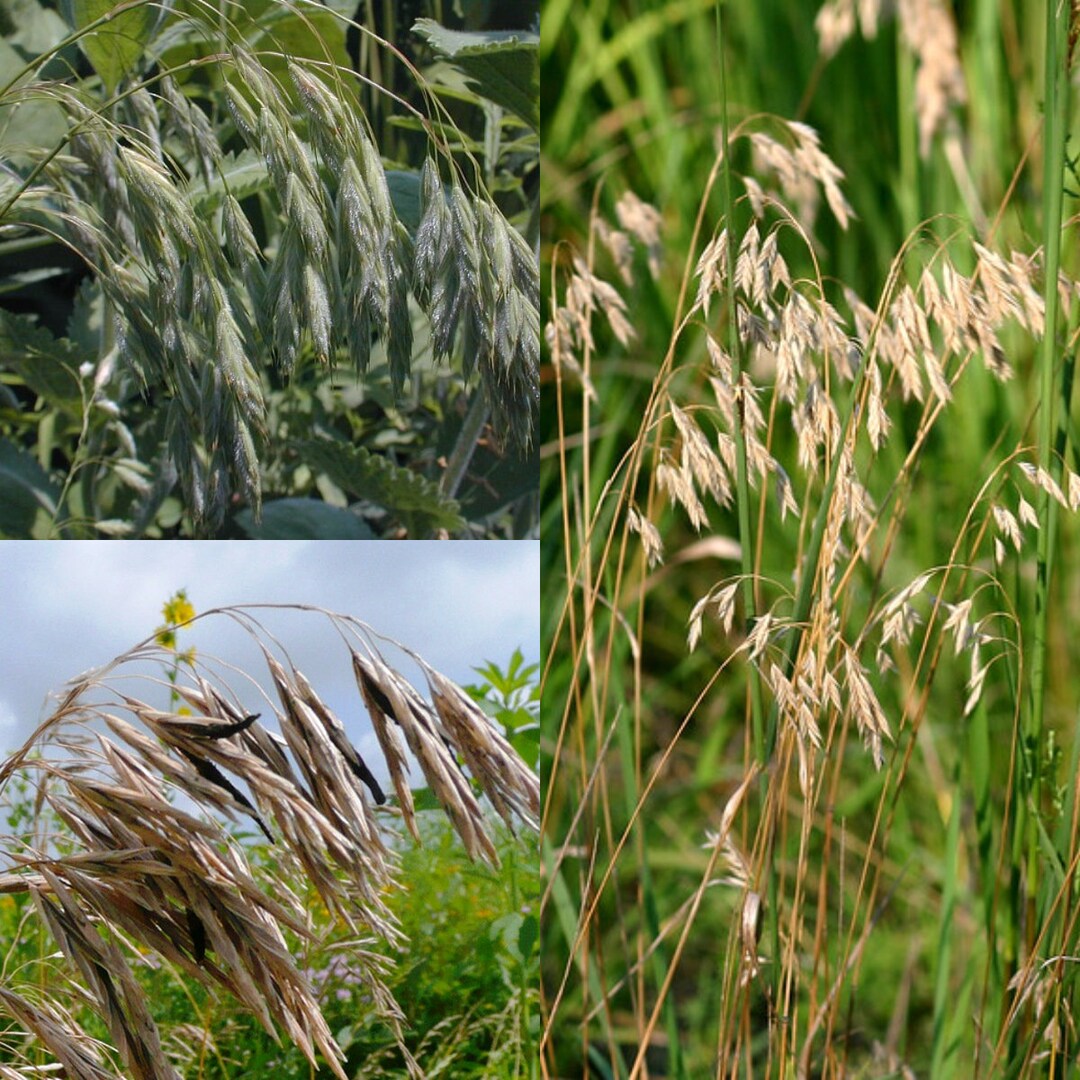 Photo Credits: Majestygarden / ulthri from Etsy
Common Name:Kalm’s Brome
Scientific Name:Bromus kalmii
Other Names: Arctic Brome or Prairie Brome
Genus: Bromus
Plant Type: Short lived Perennial Prairie Grass
Plant Family: Poaceae
Subfamily:Pooideae
Native Range: Southern Canada, parts of the maritimes, Northern United States, Central United States, North - Central United States, and Northeastern United States.
Flower: Open drooping panicles that is 4 to 6 inches long and nodding to one side. The colouration varies depending on the season. During the summer the panicles are green to purple tinged, but they change to a light brown colour once they mature especially during the fall.
Foliage: The leaves are flat, and erect to ascending that are 3 to 10 inches long. They are soft and hairy, giving it a distinctive almost velvety feel. The firm and scabrous leaf blades are either pubescent or glabrous (smooth) and are 7–17 cm long and 4–10 mm wide. The leaf sheaths are rounded and densely haired with short, soft hairs that may be white with a tinge of red at the base. The ligule (a membranous or hairy appendage at the junction of the leaf blade and sheath) is typically 0.5 mm long.
Height:Typically reaches a height of 2 to 4 feet (24 - 48 inches) tall.
Width: Typically reaches a width of 1 to 2 feet (12 - 24 inches) wide.
Bloom Time:Typically blooms from during early late spring to early summer, which usually happens from May through June.
Most Distinctive Feature: Is it’s soft and hairy foliage as well as their silky hairy lemmas.
Moisture Requirements:dry to moderately moist conditions and the area needs to have good drainage.
Soil Type:sandy, rocky, gravelly, loamy, or peaty soils that are high in calcium often from limestone and is well drained.
Light Exposure: Full Sun ☀️ to Partial Shade 🌥️
Hardiness Zones: Zones 2 through 6
Season Interest: Summer 💐 through Fall 🍂
Host Plant: Yes, the Kalm’s Brome is a host plant for a local butterfly species. It is a host plant for the Juba skipper.
Wildlife Benefits:
The foliage of the grass provides grazing material for rabbits, deer, elk, and livestock.
The dense clumps offer shelter and nesting habitat for small birds and small animals.
The seeds that this grass produces provide an excellent food source for songbirds, upland game birds, and small animals.
It acts as a host plant for the Juba Skipper where the females of this butterfly species lay their eggs on the foliage, and once the caterpillars hatch out of the eggs the foliage provides a food source for these hungry caterpillars.
This grass species contributes to plant diversity, grassland habitats, and soil stabilization.
Kalm’s Brome (Bromus kalmii) is a short lived perennial prairie bunch grass and it is a member of The Grass Family. It is an attractive grass that remains fairly short in size.
Flowering head is an open panicle 4 to 6 inches long, nodding to one side, the branches arching, drooping at the tips with 1 to 3 spikelets (flower clusters) per branch. Spikelets are stalked, oblong-elliptic in outline, slightly flattened, 15 to 25 mm (to 1 inch) long, with 6 to 13 florets. One or more sterile florets may be at the tip.
At the base of a spikelet is a pair of bracts (glumes), both hairy, the lower glume 5 to 7 mm long and 3-veined, the upper glume 7 to 9 mm long and 5-veined. Surrounding a floret is a pair of bracts (lemma and palea). Lemmas are lance-oblong, 8 to 10 mm long, 7-veined, moderately to densely covered in long silky hairs giving a gray-green cast, notched at the tip forming 2 teeth, with a straight awn 2 to 3 mm long arising between the teeth. The palea is somewhat shorter than the lemma, 2-veined, hairy on the surface with longer hairs on the veins. Sterile florets are like the fertile but underdeveloped.
Leaf blades are flat, erect to ascending, 3 to 10 inches long, 5 to 10 mm (to 3/8 inch) wide, both surfaces mostly hairless except for long hairs along the edges and on the midrib on the underside.
Sheath edges are fused for most of their length (a closed sheath), the lower sheaths densely covered in long, downward pointing (retrorse) hairs, the upper sheaths often hairless except for a few long hairs at the tip. The ligule (membrane where the leaf joins the sheath) is membranous, less than 1 mm long, jagged along the top edge and lacks a fringe of hairs. Nodes are mostly hairy. Stems are single or a few from the base in a loose clump, usually erect, hairless or hairy just near the nodes.
Florets mature to light brown, each dropping off individually leaving the glumes persisting on the stalk. Grains are somewhat flattened, elliptic, 6 to 8 mm long, and have a bundle of white hairs at the tip.
Sweetgrass (Hierochloe odorata)
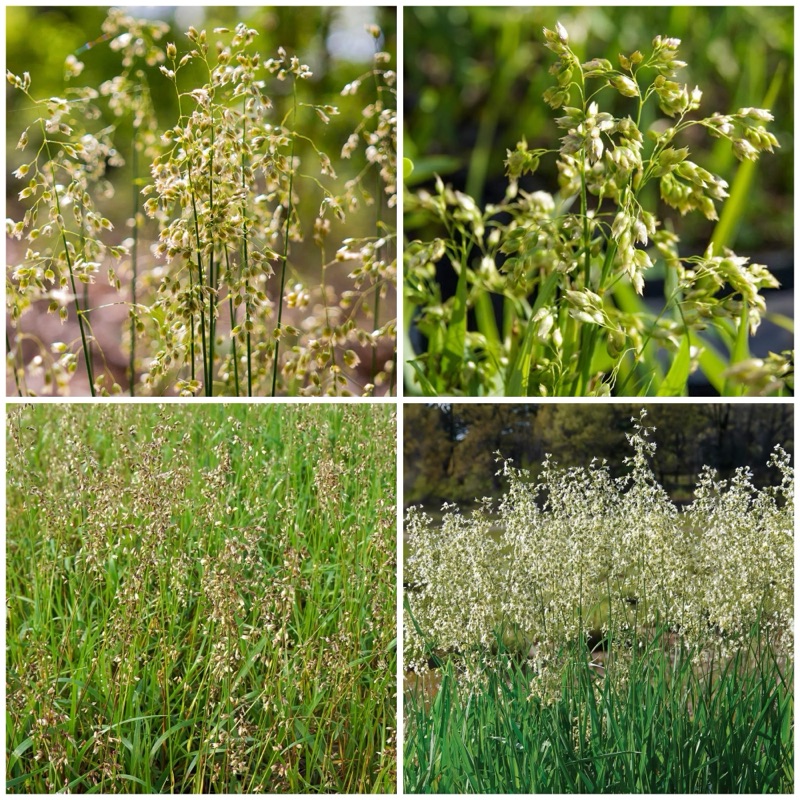 Photo Credits: Barnsdale Gardens
Common Name:Sweetgrass
Scientific Name:Hierochloe odorata
Other Names: Vanilla Grass, Manna Grass, Holy Grass, or Bison Grass
Genus: Hierochloe
Plant Type: Fragrant Perennial Grass
Plant Family: Poaceae
Subfamily: N/A
Native Range: Southern Canada, Northern Canada, Eastern Canada, Atlantic Canada, Northeastern United States, and North - Central United States.
Flower: The flowers are arranged in open and diffused panicles (branched clusters). The panicles are relatively small and are typically 5 - 10 cm in length. The individual flowers (spikelets) are typically green but sometimes have a tinge of purple on them. They have a sweet scent to them but is not as strong as the fragrance on the leaves.
Foliage: The leaves are long and narrow and often described as ribbon like. They can be rolled inward which gives them a cylindrical appearance. For texture the leaves are smooth and hairless. The colouration of the leaves is a vibrant green colour with a reddish base. The overall foliage can also have a slight bluish green tint to it. The leaves have a sweet vanilla like fragrance, and this scent intensifies when the leaves are dried.
Height:Typically reaches a height of 1 to 2 feet (12 - 24 inches) tall.
Width: Typically reaches a width of 2 feet (24 inches) wide.
Bloom Time:Typically blooms from late spring to early summer, which usually occurs from May through June.
Most Distinctive Feature: Is the sweet vanilla like fragrance which comes from a natural compound called coumarin. This scent becomes stronger when the leaves are dried.
Moisture Requirements:Consistently moist to wet conditions or moderately wet conditions.
Soil Type:loamy or sandy soils that are rich in organic matter and are slightly acidic to neutral.
Light Exposure: Full Sun ☀️ to Partial Shade 🌥️
Hardiness Zones: Zones 2 through 6
Season Interest: Spring 🌼, Summer 💐, and Fall 🍂
Host Plant: Yes, Sweetgrass is a host plant for four local butterfly species. It is a host plant for the Silver - Spotted Skipper, Arogos Skipper, Delaware Skipper, and Dusted Skipper.
Wildlife Benefits:
The flowers of this grass species attracts a variety of bees and beneficial insects aiding to pollination.
The dense patches of the foliage provide refuge for small animals, birds, and insects as a habitat, shelter from inclement weather, and protection from predators.
It acts as a host plant for four local butterfly species which are skipper butterflies including the Silver - Spotted Skipper, Arogos Skipper, Delaware Skipper, and Dusted Skipper. The females of these butterfly species lay their eggs on the foliage of the grass, and once the eggs hatch into caterpillars the grass becomes the only food source for these hungry caterpillars.
Sweetgrass acts as a mosquito and moth repellent when it is fresh as well as being dried.
The robust root systems of this grass stabilizes soil and helps with erosion control especially along riverbanks.
The decomposing foliage enriches the soil and helps with nutrient cycling which both supports ecosystem health.
Sweetgrass (Hierochloe odorata) is a fragrant perennial grass with long satiny leaves, and it is very well known to indigenous people. It is a member of The Grass Family.
Open panicle at the tip of the stem, taller than wide, 2 to 6 inches long, pyramidal in outline, the main branches mostly paired at the stem nodes and widely spreading, the lowest branches often slightly drooping. Spikelets (flower clusters) are single at branchlet tips, about ¼ inch (to 6.3mm) long, green usually tinged with purple, somewhat flattened, elliptic to egg-shaped with a pointed tip, each with a single fertile floret flanked by a pair of staminate (male) florets and mostly hidden by them. Branch and spikelet stalks are slender and wiry, green to purple.
At the base of a spikelet is a pair of bracts (glumes) that are thin, translucent around the edge, broadly egg-shaped with a pointed tip, keeled, 1 to 3-veined, 4 to 6.3 mm long, the upper and lower glumes about equal and as long as the spikelet. Surrounding a floret is a pair of bracts (lemma and palea), the lemma hairy especially near the tip and around the edges, the edges wrapping around the floret and mostly hiding the palea. Staminate lemmas are 3 to 5 mm long, elliptic with a point or short awn at the tip, keeled and obscurely 5-veined. Fertile lemmas are egg-shaped, pointed at the tip, 2.9 to 3.5 mm long, without a keel, shiny and usually shorter than the staminate lemma.
Leaves are alternate, flat, hairless and shiny on the lower surface, hairless to finely hairy on the upper surface. Lower and vegetative leaves are 7 to 12 inches long, less than ¼ inch (2 to 5mm) wide, the 2 or 3 stem leaves only 3/8 to 2 inches long and slightly narrower. Stem sheaths are mostly smooth, the edges overlapping near the tip. The ligule (membrane where the leaf joins the sheath) is 2.5 to 5.5 mm long and ragged along the top edge. Basal sheaths may be bladeless. Stems are smooth, single or a few from the base forming loose clumps, unbranched, and typically form colonies from long, creeping rhizomes.
Fertile florets turn light brown and drop away when mature, leaving the glumes and staminate florets behind persisting on the stalk.
Virginia Wildrye (Elymus virginicus)
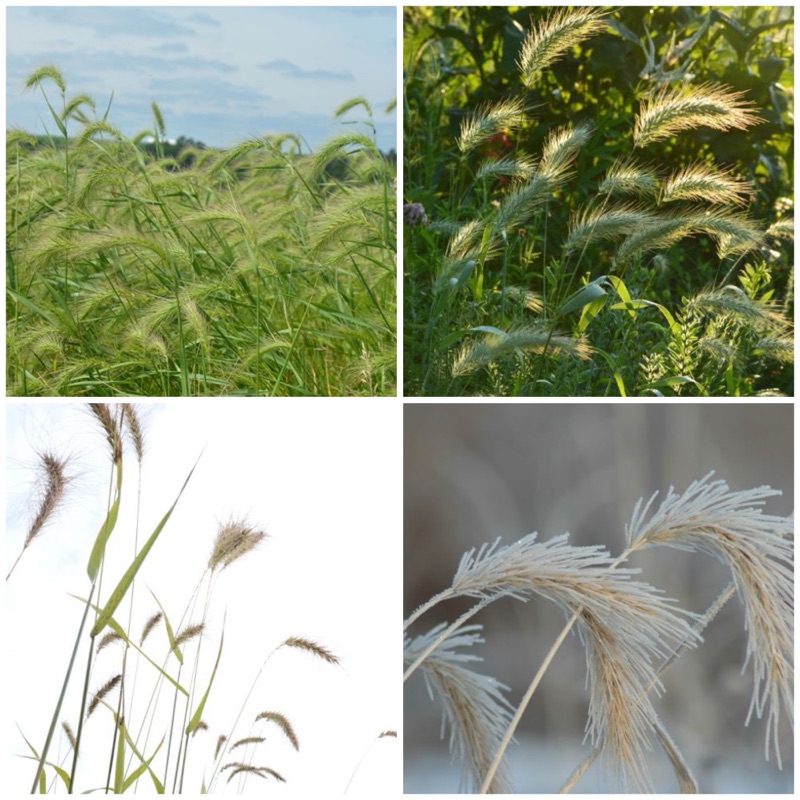 Photo Credits: Prairie Moon Nursery
Common Name:Virginia Wildrye
Scientific Name:Elymus virginicus
Other Names: Virginia Wheatgrass, Wild Rye, Beal’s Cliff Rye, Beal’s Wildrye, or Nodding Wildrye.
Genus: Elymus
Plant Type: Cool Season Perennial bunchgrass
Plant Family: Poaceae
Subfamily:Pooideae
Native Range: Eastern United States, Southern Canada, and Central Canada.
Flower: Erect and wheat like flower spikes that emerge green and transition to a brown colour once mature. These spikes are typically upright, though they can be slightly ascending, and feature pairs of spikelets at each node. The individual spikelets contain multiple florets, each with a lemma and palea, and are often partially enclosed by the uppermost leaf sheath. The florets are not showy, but the overall effect of the seed heads provides visual interest, especially when they dry to a golden-brown in the fall.
Foliage: They are flat, linear, and pointed where the blades rise in tufts from the base. The leaves are alternately arranged along the stem. The texture is usually hairless, though sometimes this grass has fine hairs on the leaf sheaths. They are typically 12 inches long and about 2/3 inch wide. The colour varies from green to silvery blue, often with a waxy or glaucous coating that gives a slightly whitish appearance.
Height:Typically reaches a height of 2 to 4 feet (24 - 48 inches) tall.
Width: Typically reaches a width of 1 to 2 feet (12 - 24 inches) wide.
Bloom Time: Typically blooms from mid summer to late summer, which usually occurs from July to August.
Most Distinctive Feature: Is its erect seed head with short straight awns.
Moisture Requirements:moist to moderately moist conditions
Soil Type:coarse sands to heavy clay soils that are heavier soils which are slightly acidic to neutral that are moist to wet.
Light Exposure: Full Sun ☀️
It tolerates partial shade but this grass may not perform as well as if it was in full sun.
Hardiness Zones: Zones 3 to 7
Season Interest: Spring 🌼, Summer 💐, and Fall 🍂.
Host Plant: Yes, Virginia Wildrye is a host plant for a local butterfly species and moth species. It is a host plant for the Zabulon Skipper Butterfly, and three species of Grass Miner Moths.
Wildlife Benefits:
Large game animals like deer and canadian geese graze on its young leaves.
Birds and small mammals forage on its seeds and use its fibres for nesting and denning material.
Waterfowl such as mallards and lesser scaup ducks consume its seeds when found near wetlands.
It acts as a host plant for the Zabulon Skipper Butterfly and Grass Miner Moths. The females of these insects lay their eggs on the foliage and once the eggs hatch into baby caterpillar, the foliage becomes the only food source for these hungry caterpillars.
The Virginia Wildrye (Elymus virginicus) is a graceful short lived perennial bunch grass which is similar to Canada Wildrye, but with a smaller less showy seed head.
A single erect spike 1½ to 6+ inches long at the tip of the stem, with a pair of erect to slightly ascending spikelets (flower clusters) at each node. Each spikelet is 10 to 15 mm long (excluding awns) and usually has 3 or 4 florets, occasionally more or less; the uppermost floret may be sterile. Color is green to blue-green at flowering time, sometimes covered in a waxy bloom (glaucus). The base of the spike is often enclosed in the uppermost leaf sheath.
At the base of a spikelet is a pair of bracts (glumes), both firm, hairless, minutely toothed along the edges near the tip, 3 to 5-veined, narrowly lance-linear tapering at the tip to a straight awn shorter than the body, .7 to 2.3 mm wide, 10 to 30 mm (to 1+ inch) long including the awn, the base thickened, hardened for up to 4 mm, often strongly bowed. Florets are surrounded by a pair of bracts (lemma and palea), the lemma usually hairless, 5 to 7-veined, the body 8 to 10 mm long with a straight awn 5 to 25 mm long; the palea is about as long as the lemma, hairless, 2-veined.
The 4 to 9 leaves are alternate, up to 12 inches long, up to 15 mm (~½ inch) wide, mostly flat, sometimes rolled along the edge (involute), usually hairless, smooth or rough-textured, fairly evenly distributed along the stem, and arching to floppy. The sheath is usually hairless and has a pair of small brown to purplish lobes (auricles) at the apex. The ligule (membrane where the leaf joins the sheath) is less than 1 mm long, more or less straight across, and lacks a fringe of hairs. Nodes are hairless and may be glaucus. Stems are unbranched, smooth, usually erect, multiple from the base forming loose to dense clumps, and sometimes glaucus.
The awns remain straight as spikelets mature, all turning straw-coloured to bleached tan when dry. Florets drop off individually as they mature, the glumes also dropping off often with the lowest floret, leaving the node stubs all along the stalk.
Indian Grass (Sorghastrum nutans)
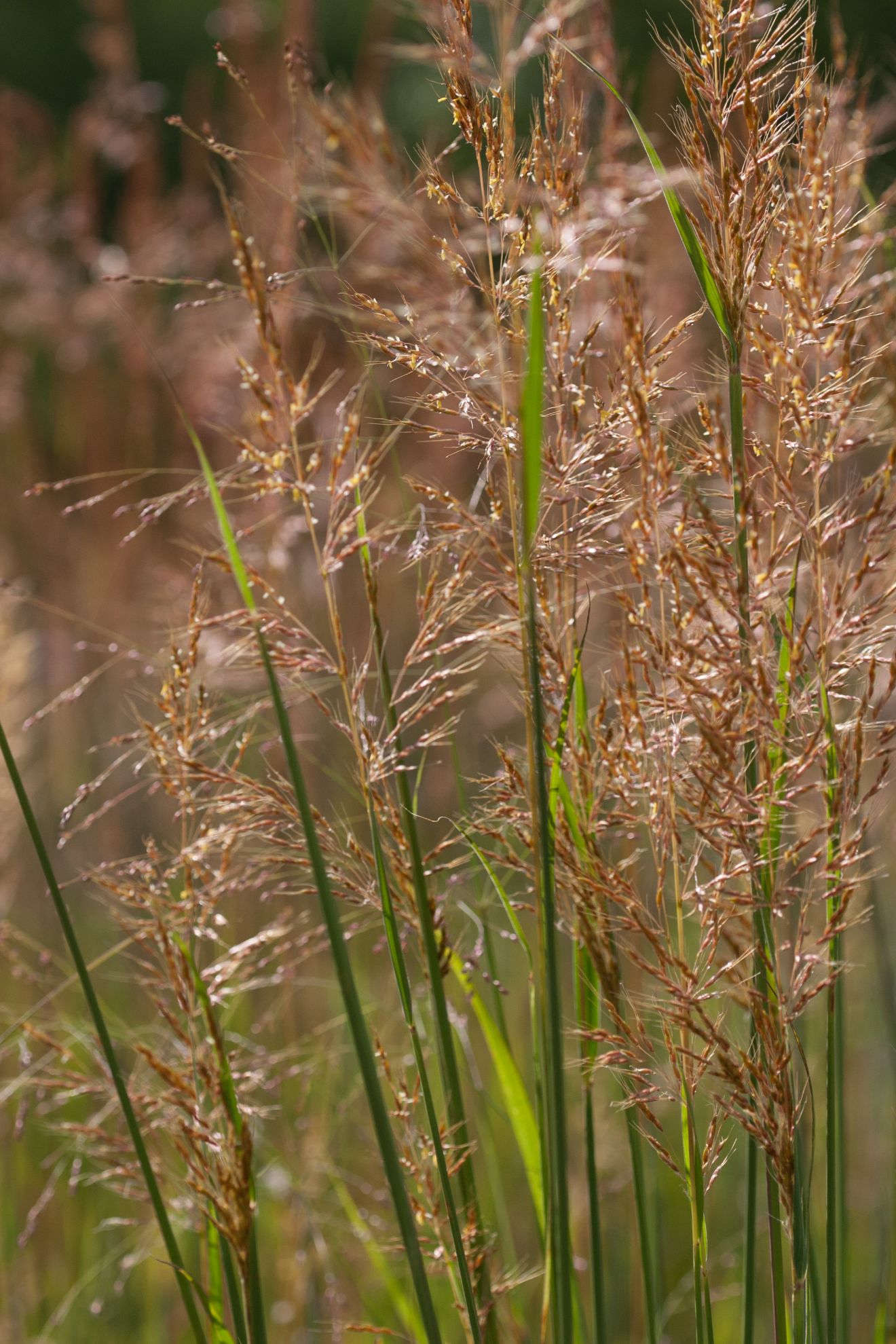 Photo Credits: Linda Williams / sowwildnatives.com
Common Name:Indian Grass
Scientific Name:Sorghastrum nutans
Other Names: Yellow Indian Grass, Wood Grass, or Indian Reed.
Genus: Sorghastrum
Plant Type: Warm Season Perennial Ornamental Grass
Plant Family: Poaceae
Subfamily: Panicoideae
Native Range: Central United States, Southeastern United States, Eastern United States, and Southern Canada.
Flower: Narrow feathery flower panicles (flower clusters). The flowers are typically described as copper, reddish-bronze, or golden-brown with conspicuous bright yellow stamens. The flower stalks rise well above the foliage, reaching heights of 3-6 feet or more.
Foliage: The leaves are upright and slender where they can grow up to 1/2 inch wide and 2 feet long. The colouration of the leaves vary depending on the season. During the growing season which is spring and summer the leaves are blue green in colour. In the fall season the leaves are a vibrant golden yellow.
Height:Typically reaches a height of 3 to 7 feet (36 - 84 inches) tall.
Width: Typically reaches a width of 1 to 2 feet (12 - 24 inches) wide.
Bloom Time:Typically blooms from end of summer to early fall, which usually occurs from late July to September.
Most Distinctive Feature: Is it’s golden plume like seed head with twisted awns and bright yellow anthers.
Moisture Requirements:dry to moderately moist conditions and the location that the grass is planted in needs to have proper drainage.
Soil Type:loam, clay, sand, rocky, or shallow soils that are rich in organic matter and are well drained.
Light Exposure: Full Sun ☀️
It can tolerate some shade but it may reduce the plant’s height, growth habit, and physical appearance.
Hardiness Zones: Zones 3 through 7
Season Interest: Spring 🌼, Summer 💐, Fall 🍂, and Winter ❄️.
Host Plant: Yes Indian Grass is a host plant for a local butterfly species which is a skipper butterfly species. It is a host plant for the Pepper and Salt Skipper Butterfly.
Wildlife Benefits:
The dense foliage provides nesting cover for upland game birds like quail, and turkey.
The tall upright growth offers shelter and escape cover throughout the world for small mammals, birds, and beneficial insects.
A variety of native bee species use its fibres for nesting material and protective chambers for their young.
White tailed Deer use Indian Grass for cover and bedding in all seasons of the year.
Rabbits and other small mammals benefit from its dense basal foliage.
Songbirds, game birds, and small animals feed on the seeds that this grass produces.
It acts as a host plant for the Pepper and Salt Skipper Butterfly. The females of this butterfly species lay their eggs on the foliage and once the eggs hatch into baby caterpillars it becomes the only food source for these hungry caterpillars.
The deep roots improve soil heath and drought resilience which supports long term habitat stability.
The Indian Grass (Sorghastrum nutans) is a tall bunching sod former perennial ornamental grass which is a type of prairie grass.
Narrow plume 6 to 20 inches long at the top of the stem, lance-elliptic in outline, with many wiry, spreading to ascending branches, each with a few secondary branches. Branches are up to 4 inches long and mostly alternate.
Along branches are groups of 2 or 3 fertile spikelets (flower clusters), each containing a single flower. The glumes (bracts at the base of a spikelet) are about equal in length and somewhat shiny, the first densely covered in long hairs and wrapping around much of the spikelet, the second glume hairless. The lemma (2 bracts surrounding the flower) are slightly shorter than the spikelet; at the tip of the fertile lemma is an awn up to ¾ inch long that is bent in the lower third. The glumes and lemma are all narrowly lance-shaped with a pointed tip, with the long yellow stamens and feathery white styles poking out from the sides. Spikelets are 5 to 8 mm long excluding the awn, golden brown to chestnut in color, on wiry stalks. 1 or 2 feathery appendages are connected at the base of the fertile spikelet. These are actually the hairy stalks of sterile spikelets; they have no glumes, lemma or flowers.
Leaves are all alternate, nearly erect to flopping, 2 to 24 inches long and up to ½ inch wide, mostly flat, and rough textured on both surfaces and around the edges. The midvein is white and quite prominent towards the base.
The sheath is open with a distinct “V” at the front. The ligule (membrane where the leaf joins the sheath) is white and 2 to 6 mm long. Usually at the top of the sheath where it meets the ligule is a thick, pointed appendage (auricle) that is as long as or longer than the ligule. Nodes are covered in short, silky hairs giving them a whitish bloom. The culm (stem) is erect, hollow and hairless. Plants can create loose clumps from short, scaly rhizomes.
The branches become more erect as fruit develops, the awns twisting in the lower third. Seed is oval-elliptic, 2 to 3 mm long, smooth and golden. When mature, the entire spikelet falls off to spread the seed.
Canada Bluejoint Grass (Calamagrostis canadensis)
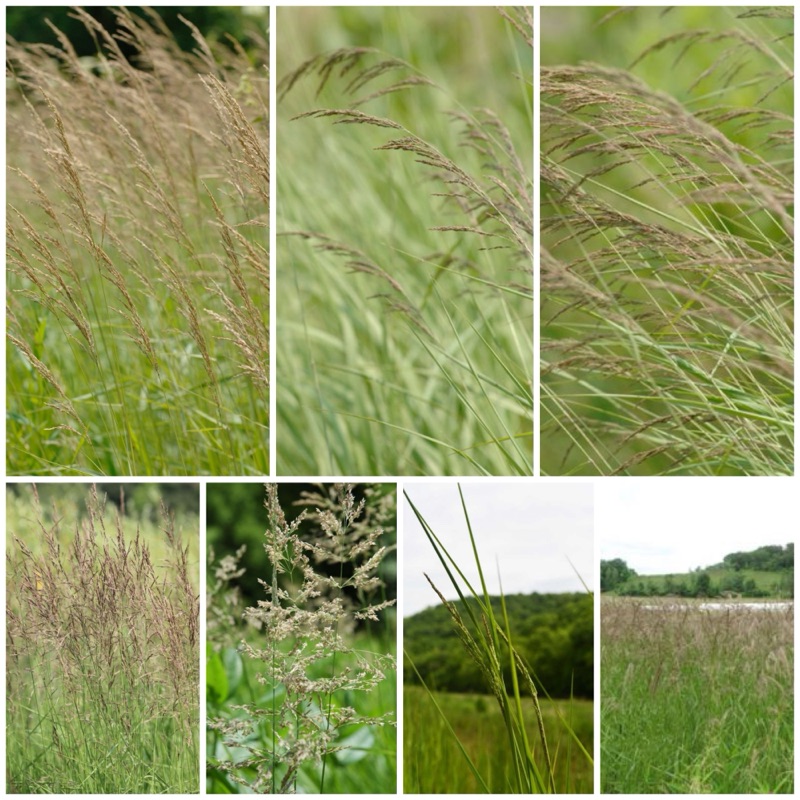 Photo Credits: Prairie Moon Nursery
Common Name:Canada Bluejoint Grass
Scientific Name:Calamagrostis canadensis
Other Names: Bluejoint, Bluejoint Reed Grass, Marsh Reed Grass, Meadow Pine Grass, or Marsh Pine Grass.
Genus: Calamagrostis
Plant Type: A Hardy and Tall Perennial Ornamental Grass
Plant Family: Poaceae
Subfamily:Pooideae
Native Range: Northern United States, Northeastern United States, Western United States, Southeastern United States, all of Canada, and Alaska.
Flower: The flowers are arranged in open, branched panicles, with the branches spreading or ascending, and sometimes nodding in the fruiting stage. The individual flowers are contained within spikelets, which are 2 to 6 mm long. The lemmas (part of the flower structure) have callus hairs and sometimes a short awn (bristle) arising from about the middle. Initially the flower plumes are a vibrant purple, then they turn golden tan as they dry out.
Foliage: The leaves are flat and linear with pronounced veins, and the blades arch gently from the stem. They are hairless but rough on both surfaces and edges, giving the grass a slightly coarse feel. Typically 12 to 24 inches long and about 1/4 to 1/2 inch wide. The colouration of the leaves vary depending on the season. During the growing season which is in the spring and fall they are medium green to blue green colour. In the fall season they turn to a golden buff.
Height:Typically reaches a height of 2 to 5 feet (24 - 60 inches) tall.
Width: Typically reaches a width of 2.5 to 4 feet (24.5 to 48 inches) wide.
Bloom Time:Typically blooms from late spring to mid summer, which usually occurs from June to August.
Most Distinctive Feature: Is it’s arching flower panicles that shift from purplish to golden tan as the season progresses.
Moisture Requirements:moist to wet conditions and the location that the grass is planted needs to be poorly drained and saturated environment.
Soil Type:clay, loam, or silt loam soils that are rich in peat and organic matter that is very acidic to slightly alkaline soils which are poorly drained and saturated.
Light Exposure: Full Sun ☀️
In full sun this grass grows vigorously with strong flowering and dense clumps. In partial shade it performs well in areas with filtered or dappled light, such as woodland edges or under high tree canopies.
Hardiness Zones: Zones 2 through 6
Season Interest: Spring 🌼, Summer 💐, Fall 🍂, and Winter ❄️.
Host Plant: No, Canada Bluejoint Grass is not a host plant for any butterfly species and moth species. Skipper Butterflies are not known to use Canada Bluejoint Grass as a host plant, but they may choose it as a host plant if there is no other options. June Bugs, Leafhoppers, and Grasshoppers feed on the foliage on the grass.
Wildlife Benefits:
Provides spring forage for livestock and native ungulates like elk and deer.
Though stems are coarse, animals consume the large leaves especially in early growth stages when nutritional value is highest.
Offers cover and nesting material for wetlands birds and small mammals.
The dense tufts and tall growth provide shelter for various small creatures including amphibians and insects.
Its persistent winter structure offers year round habitat for overwintering species.
This grass species does not act as a host plant any local butterfly species and moth species. Local insects such as June Bugs, Leafhoppers, and Grasshoppers feed on the foliage.
The Rhizomes help stabilize stream banks and shorelines reducing erosion. It enhances soil structure and organic matter in disturbed areas.
The Canada Bluejoint Grass (Calamagrostis canadensis) is a long lived, incredibly hardy, clump forming, cool season perennial grass.
A panicle at the tip of the stem 4 to 10 inches long, pyramidal in outline at flowering time with mostly spreading branches. Branches are up to 3 inches long and compound, the secondary branchlets appressed to loosely spreading, the spikelets (flower clusters) loosely arranged on the tip half or so of a branch. Spikelets are lance-elliptic in outline, somewhat compressed, 2 to 6 mm (to ¼ inch) long, light green, with a single floret.
At the base of a spikelet is a pair of bracts (glumes), both awnless, slightly spreading, 1-veined, smooth to rough-textured with straight or bent hair-like teeth, lance-elliptic with a pointed tip, the lower glume 2 to 6 mm long, the upper glume more or less as long. Florets are surrounded by a pair of bracts (lemma and palea), both thin, pale, pointed at the tip, the lemma 5-veined, ¾ to 1 times as long as the upper glume, with a slender, straight to slightly bent awn arising from about midway up the back that may extend slightly beyond the tip of the glumes; the palea is somewhat shorter than the lemma and 2-veined. The thickened base of the floret (callus) is densely covered in straight, white hairs that are half to slightly longer than the floret but may be hidden by the glumes.
Leaves are basal and alternate, 2 to 10 mm (to 3/8 inch) wide, 6 to 20 inches long, hairless but rough on both surfaces and along the edges, mostly flat, green to blue-green, rarely with a few scattered hairs. The sheath is hairless but usually rough-textured. The ligule (membrane where the leaf joins the sheath) is 3 to 10 mm long, ragged or shredded along the tip edge and lacks a fringe of hairs. Nodes are smooth.
Stems are leafy, hairless, mostly erect, multiple from the base, and usually branched above the base. Clumps are formed from a mix of flowering and vegetative shoots, the dead stems and leaves persisting and forming tussocks. Colonies may also form from elongated rhizomes.
As spikelets mature the panicle branches become more erect to ascending, forming a plume that often nods to one side.
Spikelets turn straw-colored to golden brown at maturity, the florets dropping off individually leaving the glumes behind on the stalk. Grains are light brown, oblong, about 1 mm long.
🌾 Why Go Native?
Imagine a garden that dances with the wind, hums with bees, and rustles with life. Native ornamental grasses in Ontario aren’t just beautiful, they’re ecological powerhouses.
These resilient species have evolved alongside local wildlife, offering food, shelter, and nesting grounds for birds, butterflies, and pollinators. By planting native grasses like Little Bluestem, Switchgrass, or Indian Grass, you’re not just landscaping, you’re restoring a vital piece of Ontario’s natural heritage.
Whether you’re working with a sprawling backyard or a modest patch of soil, these grasses invite biodiversity to thrive right outside your door. So why not let your garden grow wild with purpose?
Planting native grasses offers a wide range of ecological benefits that go far beyond aesthetics. Here’s a breakdown of why they’re such powerful allies for the environment:
🌿 Ecological Benefits of Native Grasses
• 🌎 Soil Stabilization & Erosion Control: Deep, fibrous root systems anchor soil, reducing erosion from wind and rain. This helps prevent sediment runoff into waterways.
• 🦋 Biodiversity Boast:Native grasses provide essential habitat for birds, butterflies, bees, and small mammals. They support pollinators and serve as host plants for over 100 butterfly species, including a variety of skipper butterfly species.
• 💧Water Quality Improvement:Acting as natural bio filters, native grasses slow runoff and absorb excess nutrients like nitrogen and phosphorus, helping prevent algal blooms and improving water quality.
• 🌬️ Carbon Sequestration:Grasslands store significant carbon in their root systems and soil, helping mitigate climate change by reducing atmospheric CO₂.
• 🔥 Climate Resilience: Adapted to local conditions, native grasses are more drought-tolerant, flood-resilient, and fire-resistant than many non-native species.
• 🐦 Wildlife Food Source: Their seed heads are a rich food source for birds such as finches, sparrows, and wild turkeys especially vital during fall and winter.
In short, planting native grasses transforms your property into a thriving ecosystem, the one that supports wildlife, improves soil and water health, and helps fight climate change. Want help choosing the best species for your area or designing a native grass garden?
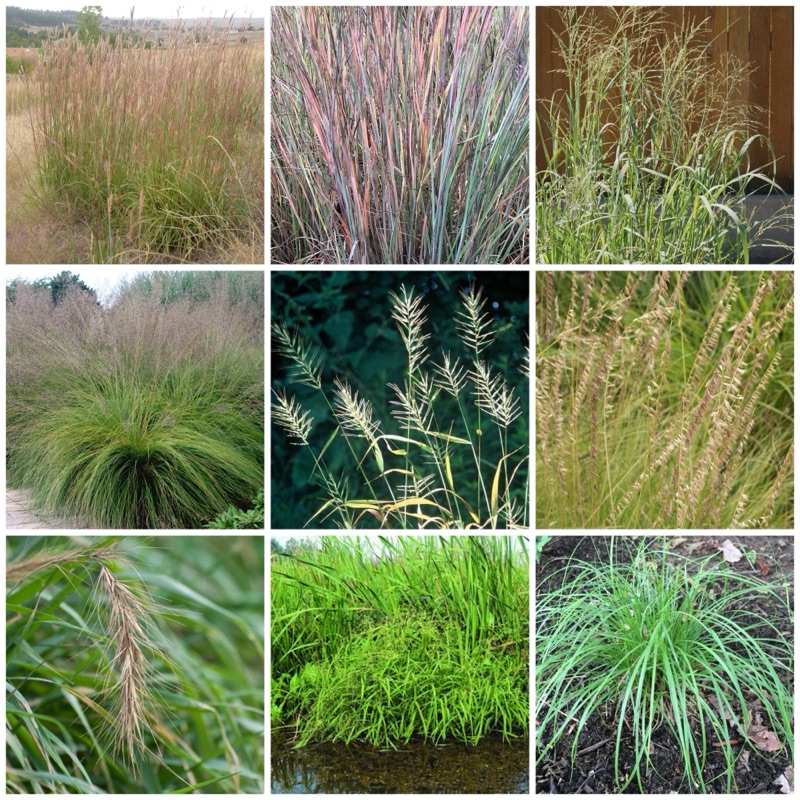 Photo Credits: Native Gardeners, Applewood Seed Co. , Midwest Groundcovers LLC, MARQUETTE COUNTY CONSERVATION DISTRICT, Everwilde Farms, Douglass King Seeds, Research Gate, and Master Gardeners Northern Virginia
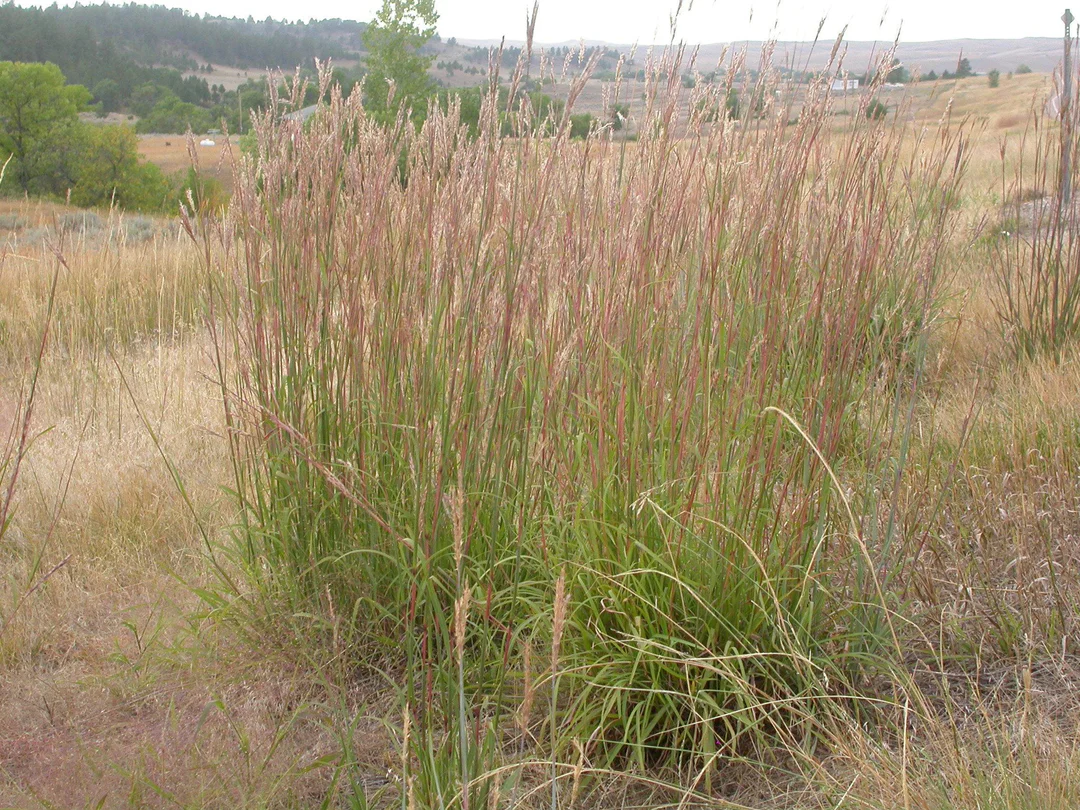 Photo Credits: Native Gardeners
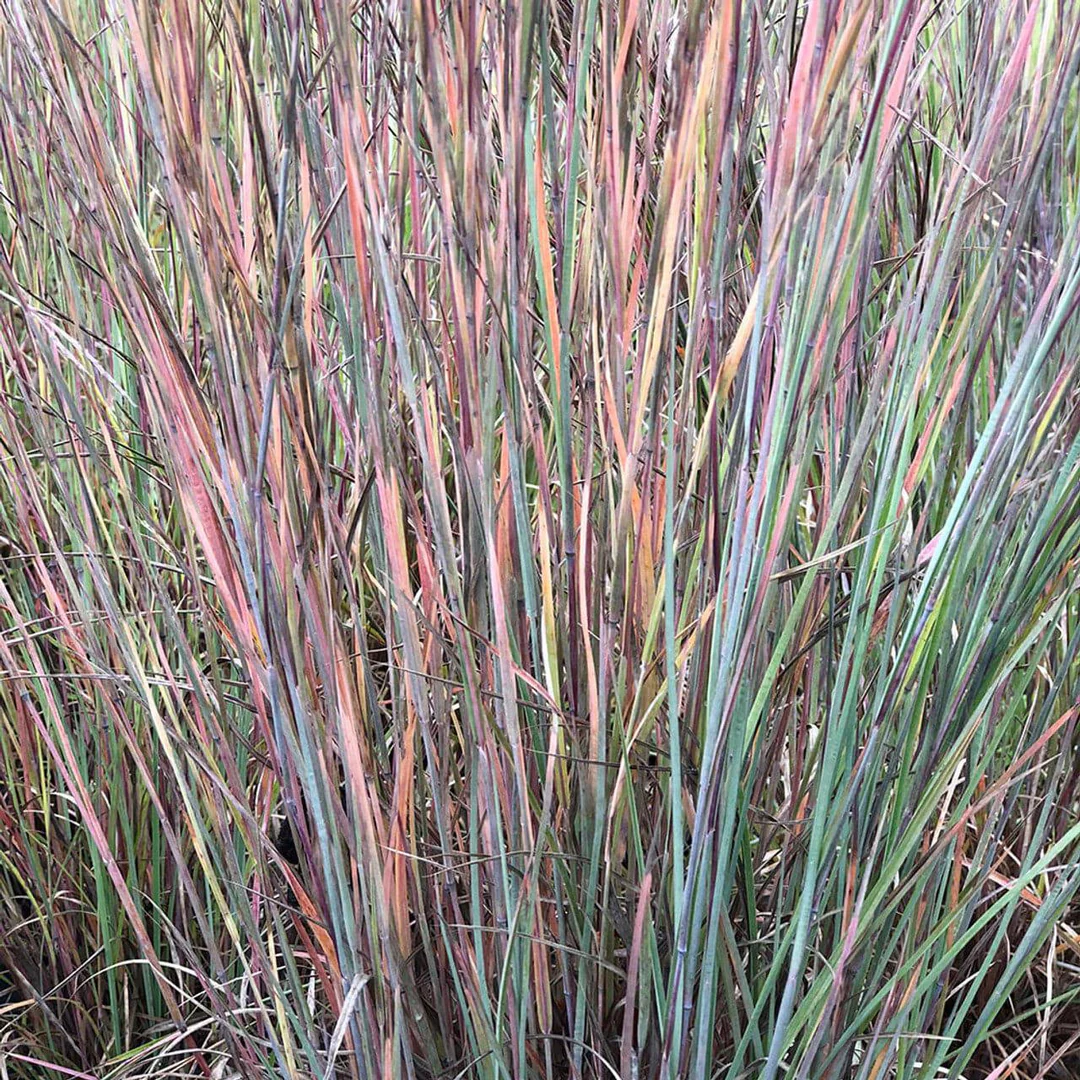 Photo Credits: Native Gardeners
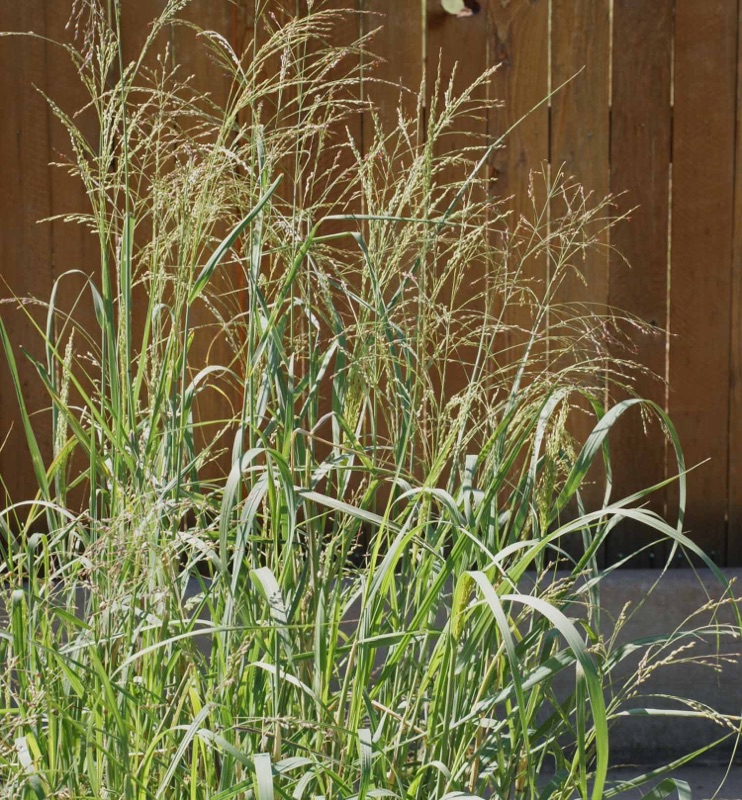 Photo Credits: Applewood Seed Co.
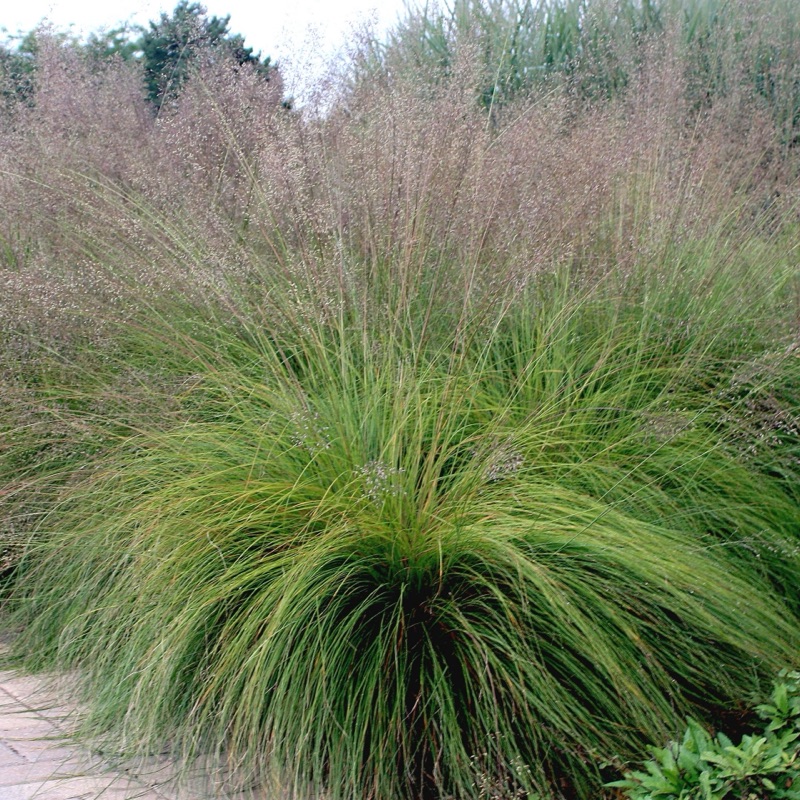 Photo Credits: Midwest Ground Covers LLC
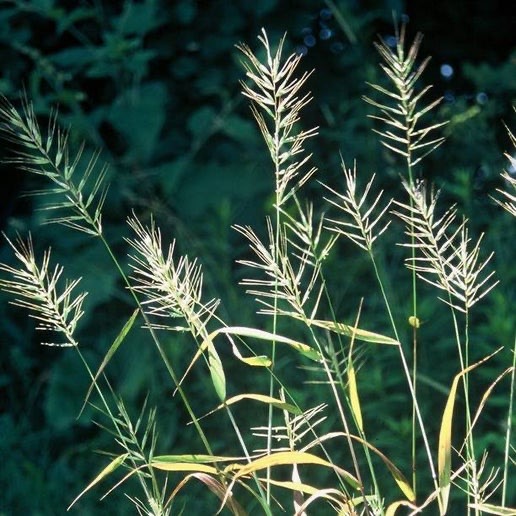 Photo Credits: MARQUETTE COUNTY CONSERVATION DISTRICT
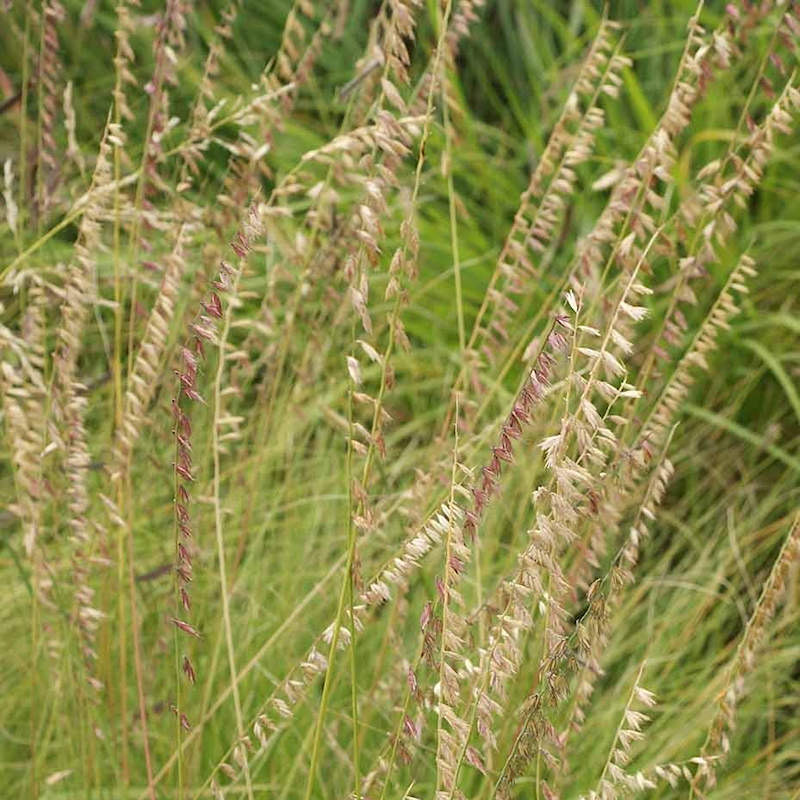 Photo Credits: Everwilde Farms
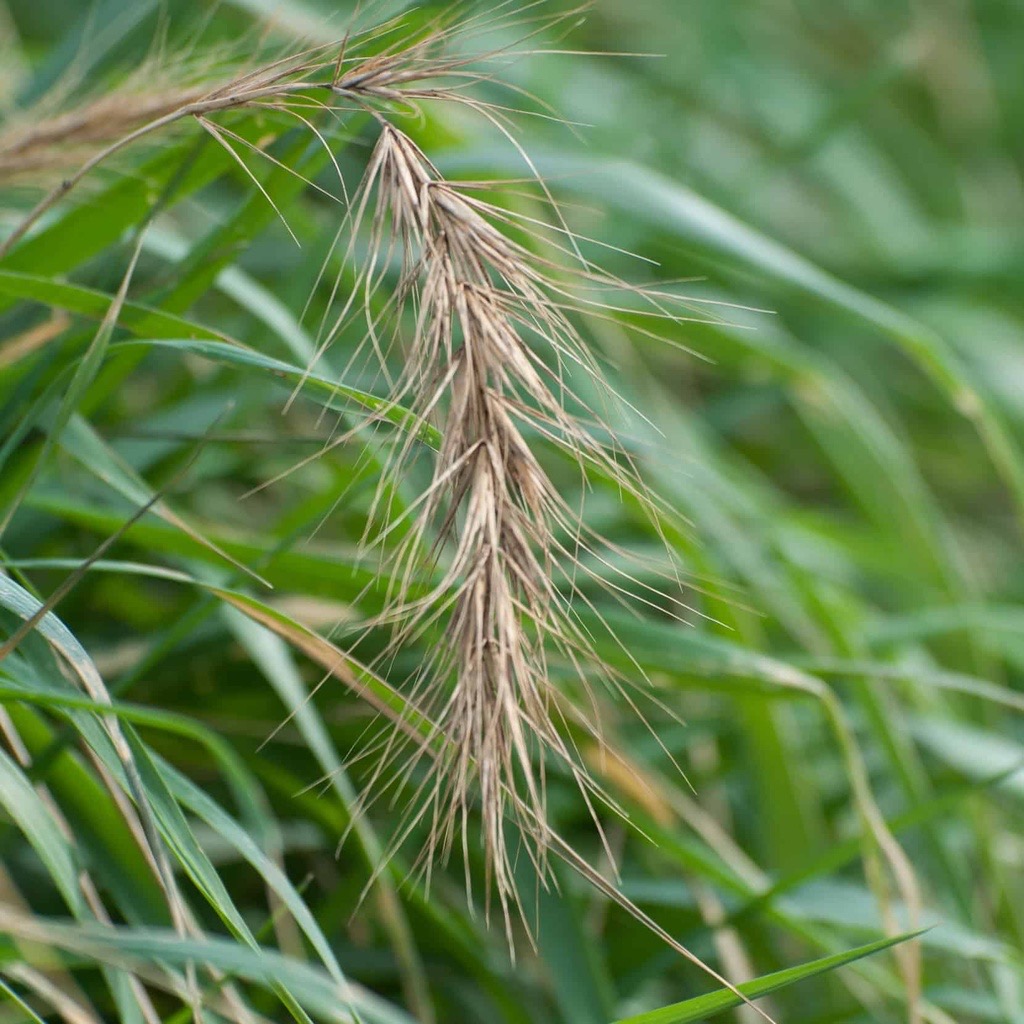 Photo Credits: Douglass King Seeds
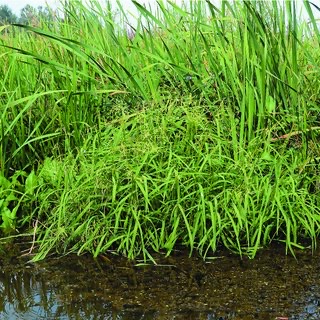
Photo Credits: Research Gate
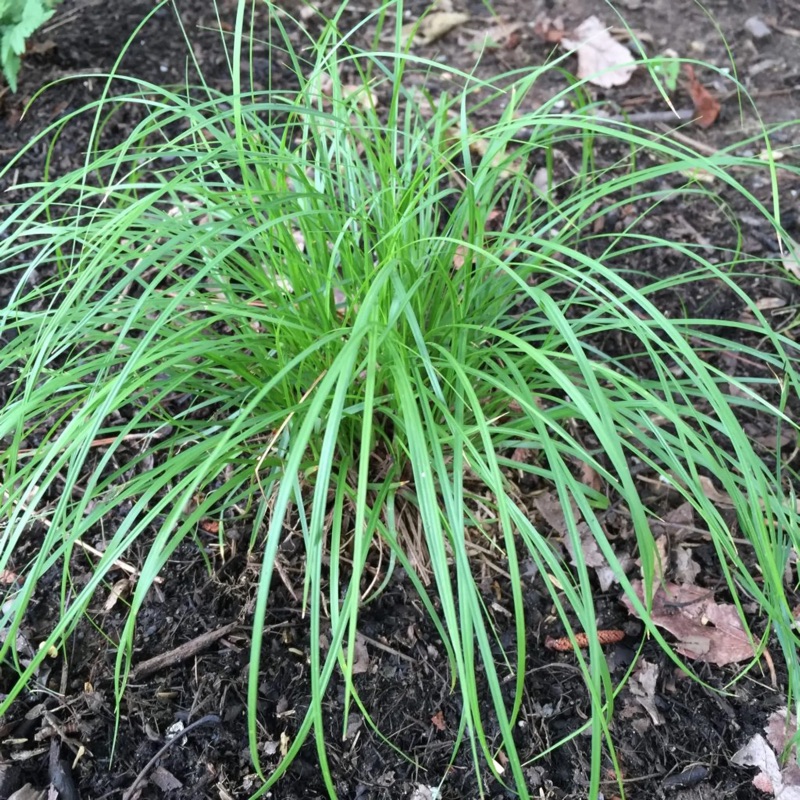 Photo Credits: Master Gardeners Northern Virginia


Comments
Post a Comment